
White House Seeks Law Enforcement Deal to Advance Crypto Clarity Act
White House officials are expected to meet law enforcement groups over illicit-finance concerns in the Senate’s crypto market structure bill. Resolving the dispute could be critical to securing enough bipartisan support for passage.
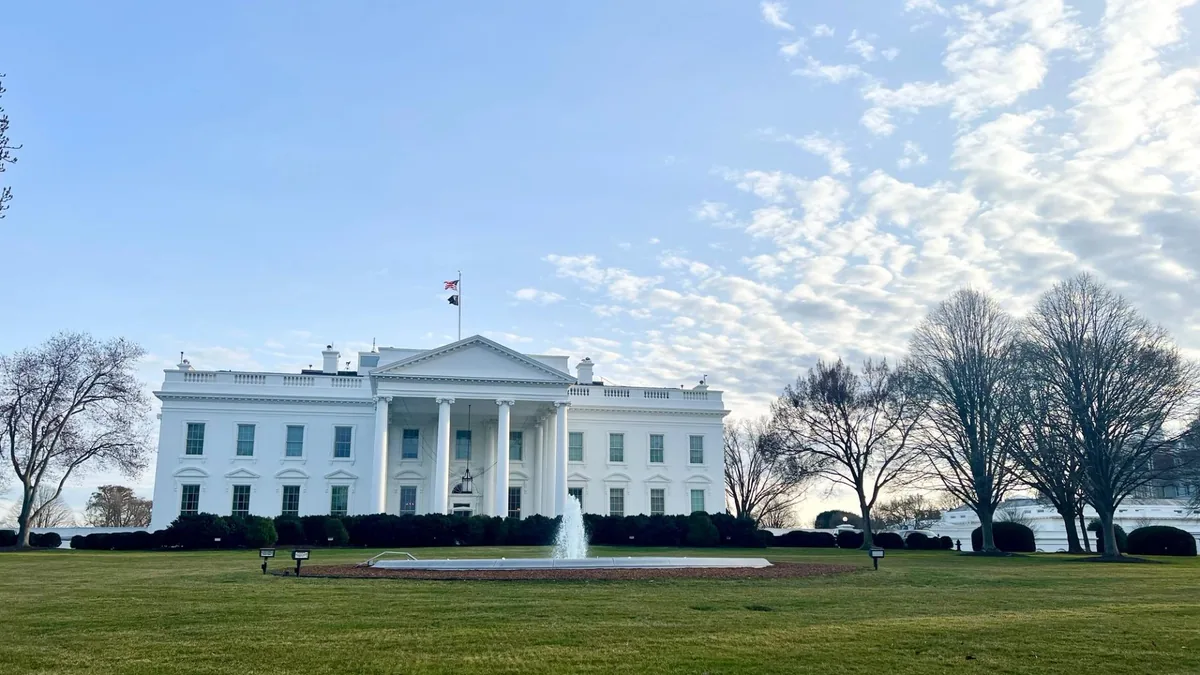
What happened?
White House officials are expected to meet law enforcement groups over illicit-finance concerns in the Senate’s crypto market structure bill. Resolving the dispute could be critical to securing enough bipartisan support for passage.
Why it matters
The White House has invited law enforcement organizations to a Monday meeting aimed at resolving objections to the Digital Asset Market Clarity Act. The discussions will focus on provisions governing illicit finance and legal protections for crypto software developers.
The White House has invited law enforcement organizations to a Monday meeting aimed at resolving objections to the Digital Asset Market Clarity Act. The discussions will focus on provisions governing illicit finance and legal protections for crypto software developers.
The dispute matters because the bill needs 60 votes to pass the Senate, requiring significant Democratic support. Senate leaders are considering a July vote, with about four weeks of floor time remaining before the summer break.
At issue is Section 604, known as the Blockchain Regulatory Certainty Act. It seeks to prevent developers who do not ultimately control the tools they create from being treated as money transmitters, a protection supporters consider important for decentralized finance development.
The National Sheriffs’ Association has argued that the language could give mixers, tumblers and DeFi services overly broad exemptions. Crypto industry groups counter that the legislation adds enforcement powers and that failing to establish new rules would leave investigators and businesses operating under continued uncertainty.
Other unresolved negotiations include restoring the Commodity Futures Trading Commission to full membership and adding ethics restrictions covering senior officials’ crypto interests. Several lawmakers have said they will not support the legislation without provisions addressing those potential conflicts.