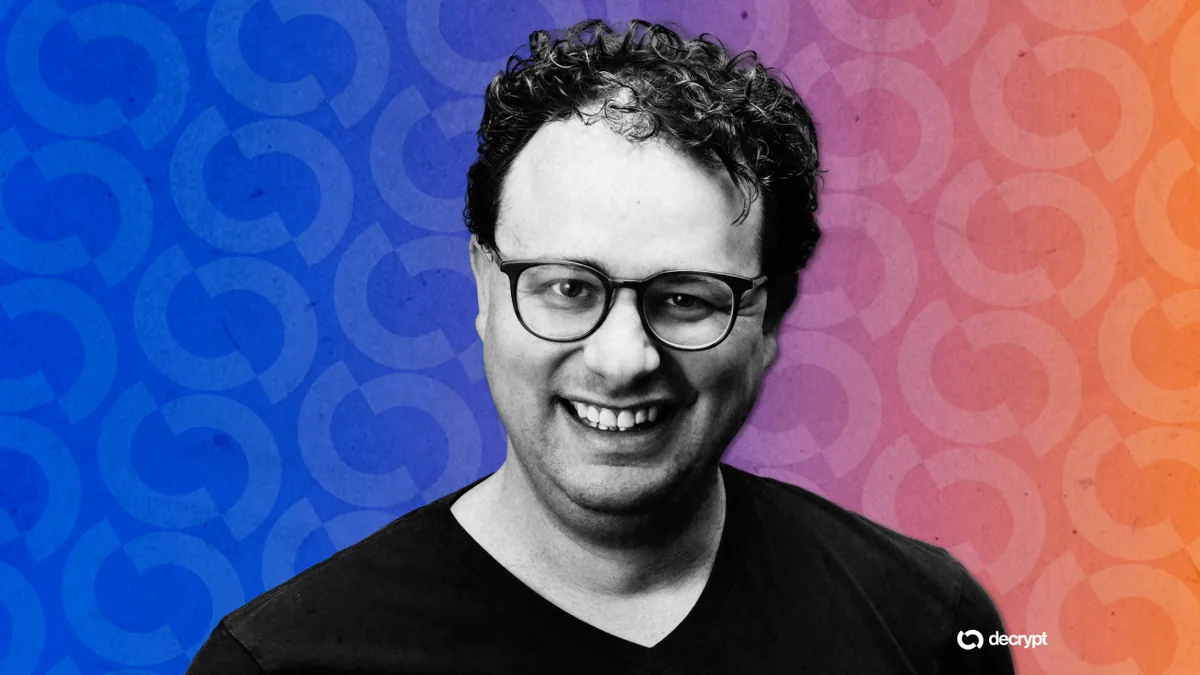
Anthropic CEO Dario Amodei has called for stronger, legally binding safety rules for advanced AI systems, warning that voluntary commitments may not be enough as frontier models become more powerful. In a new essay, he argued that regulation should not wait until the technology’s risks are clearer or harder to control.
The warning matters because AI is becoming a core infrastructure layer for companies, markets, and digital platforms, including parts of the crypto ecosystem that rely on automation, code generation, security analysis, and data interpretation. If governments impose stricter rules on model developers, the effects could shape how businesses access, deploy, and audit advanced AI tools.
Amodei’s position is notable because Anthropic is itself one of the companies building powerful AI models. The tension is central to the debate: leading labs argue they are best positioned to understand the risks, while critics question whether companies racing to release more capable systems can also set the pace for safety.
According to the source, Amodei’s essay arrives as Anthropic is heading toward an IPO, adding a business backdrop to the policy argument. A public-market future would increase scrutiny on the company’s growth, governance, and risk controls as investors evaluate both its commercial prospects and the regulatory pressure around frontier AI.
The broader issue is whether AI oversight will remain based largely on voluntary standards or shift toward enforceable requirements for the most capable models. Amodei is arguing for the latter, saying the window for effective action is narrowing as the technology advances.