
CoinDeskAug 02, 06:50 AM
Strategy Keeps STRC Dividend at 12%
Strategy said it is holding the dividend on its STRC preferred stock at 12%. The decision keeps the payout unchanged for investors in the company’s yield-focused security.
ReadAster rose more than 10% after a major buyback-and-burn upgrade, according to CoinDesk. The move did not hold, with gains proving short-lived.
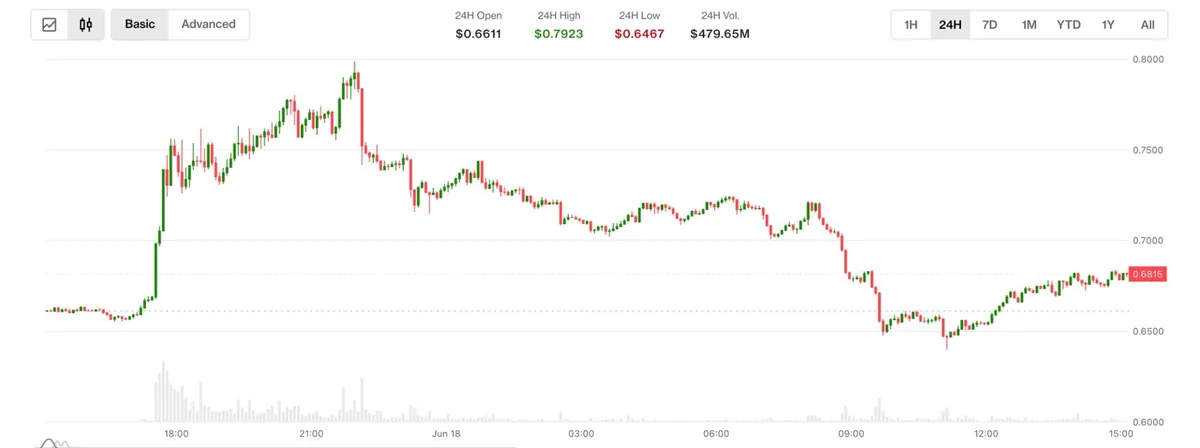
Aster rose more than 10% after a major buyback-and-burn upgrade, according to CoinDesk. The move did not hold, with gains proving short-lived.
Aster briefly climbed more than 10% after a buyback-and-burn upgrade, but the rally faded soon after, according to CoinDesk. The move showed an immediate market reaction to the tokenomics change, while also underscoring that the initial enthusiasm did not translate into lasting gains.
Aster briefly climbed more than 10% after a buyback-and-burn upgrade, but the rally faded soon after, according to CoinDesk. The move showed an immediate market reaction to the tokenomics change, while also underscoring that the initial enthusiasm did not translate into lasting gains.
The development matters because buyback-and-burn programs are closely watched in crypto markets as changes to a token’s supply dynamics can affect trader sentiment. In Aster’s case, the reported price pop suggested the upgrade drew attention, but the quick reversal showed that market participants did not sustain the move.
CoinDesk described the upgrade as “radical,” pointing to a notable shift in how Aster is approaching its token model. The core idea behind a buyback-and-burn mechanism is that tokens are purchased and removed from circulation, though the market impact depends on execution, scale, timing and broader demand.
For readers, the key takeaway is not simply that Aster rallied, but that the rally was temporary. Tokenomics announcements can generate fast moves, yet short-lived gains highlight the gap between headline-driven trading and durable market repricing.
The episode adds to a broader pattern in crypto markets where supply-focused updates can quickly become catalysts. Aster’s reaction shows that investors and traders are still watching token design closely, even when the resulting price action remains unstable.
Keep exploring

Strategy said it is holding the dividend on its STRC preferred stock at 12%. The decision keeps the payout unchanged for investors in the company’s yield-focused security.
Read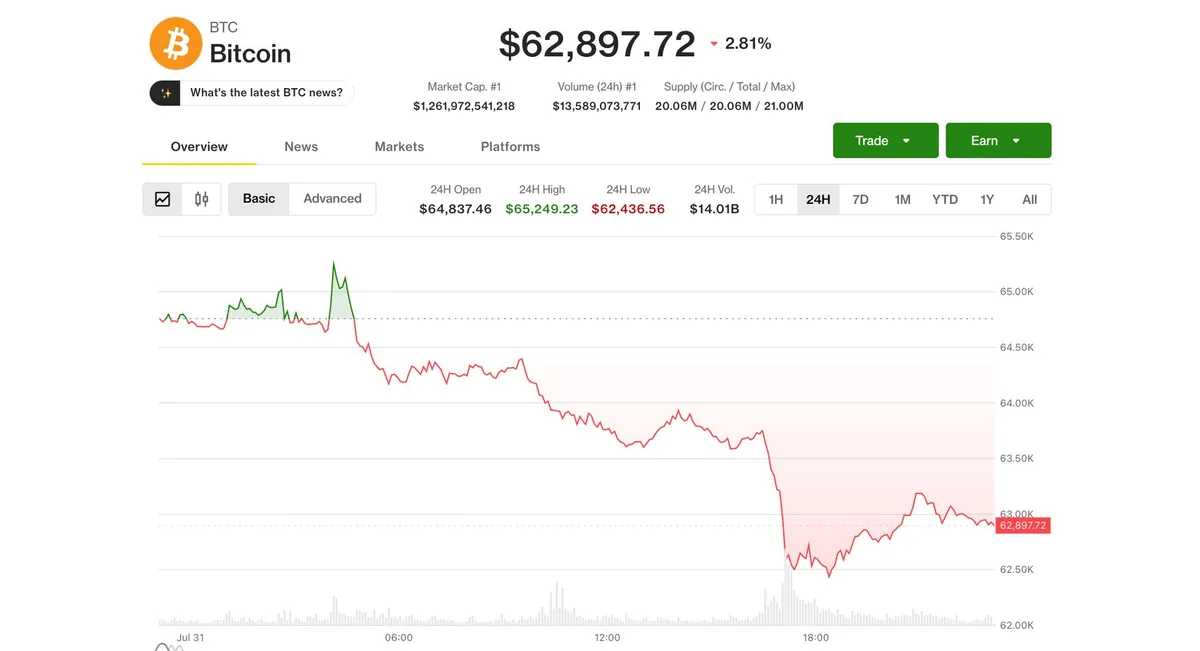
Bitcoin ended July with a monthly gain, though analysts expect August could be more volatile. They said the recent forced-selling pressure that weighed on the market appears to have already run its course.
Read
The latest State of Crypto update says the industry has two weeks left in the push for the Clarity effort. The development keeps attention on U.S. crypto policy as companies and market participants watch for regulatory direction.
Read