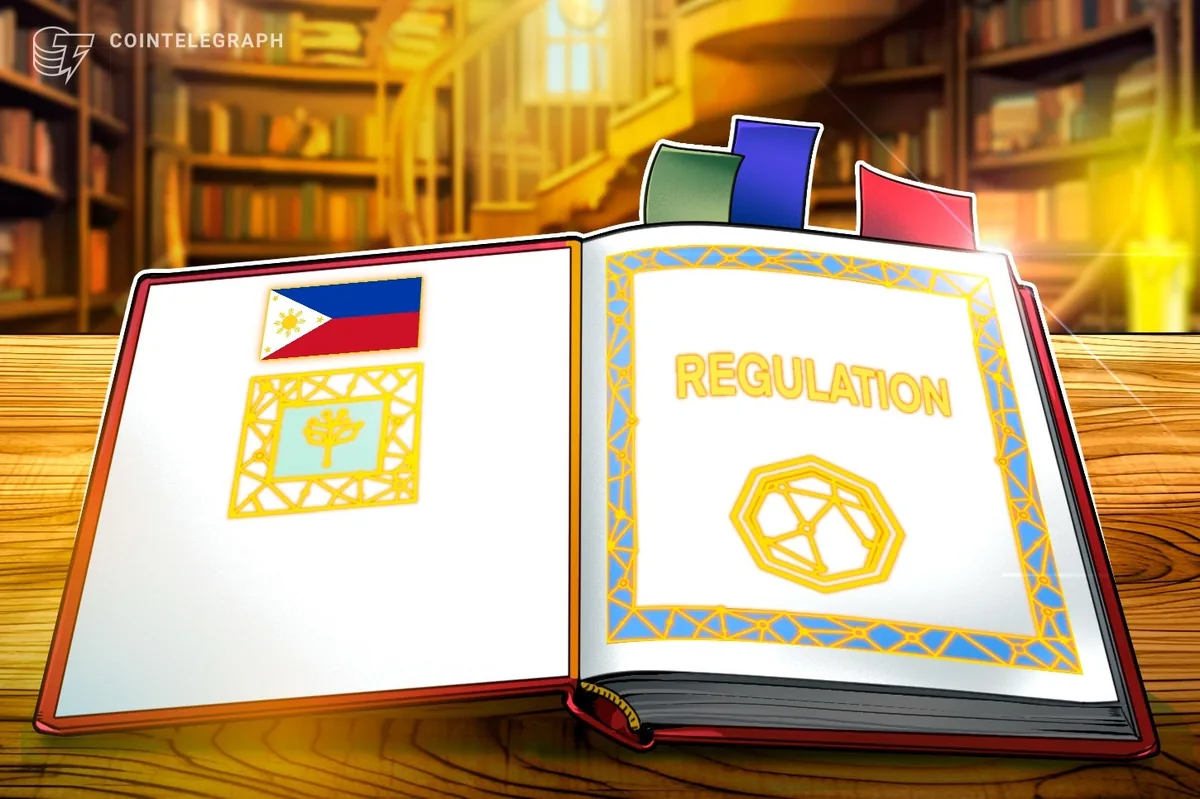
BlockShoals says Binance can provide trading access to users in the Philippines under a framework tied to the country’s Securities and Exchange Commission, despite not holding a local virtual asset service provider license. The company described the exchange’s Philippine return as relying on an SEC sandbox arrangement that permits access within a controlled regulatory setup.
The development matters because it highlights how crypto platforms may seek market access through supervisory frameworks while licensing rules continue to evolve. For Philippine traders and crypto companies, the key question is not only whether an exchange is available, but what regulatory basis supports that availability.
According to the source material, BlockShoals’ position is that Binance’s access does not depend on a local VASP license in this case. Instead, the relevant pathway is the SEC framework, which the company says allows trading access under the sandbox arrangement.
The situation also reflects a broader regulatory tension for global exchanges operating across multiple jurisdictions. Platforms often face different requirements from one market to another, and the Philippine case underscores how sandbox structures can become an important part of crypto market oversight.
For readers, the practical takeaway is that Binance’s Philippine status is being presented as conditional on a specific regulatory framework rather than a conventional local license. The claim comes from BlockShoals, and the available source material does not provide additional details on timing, product scope, or any broader regulatory approval beyond that framework.