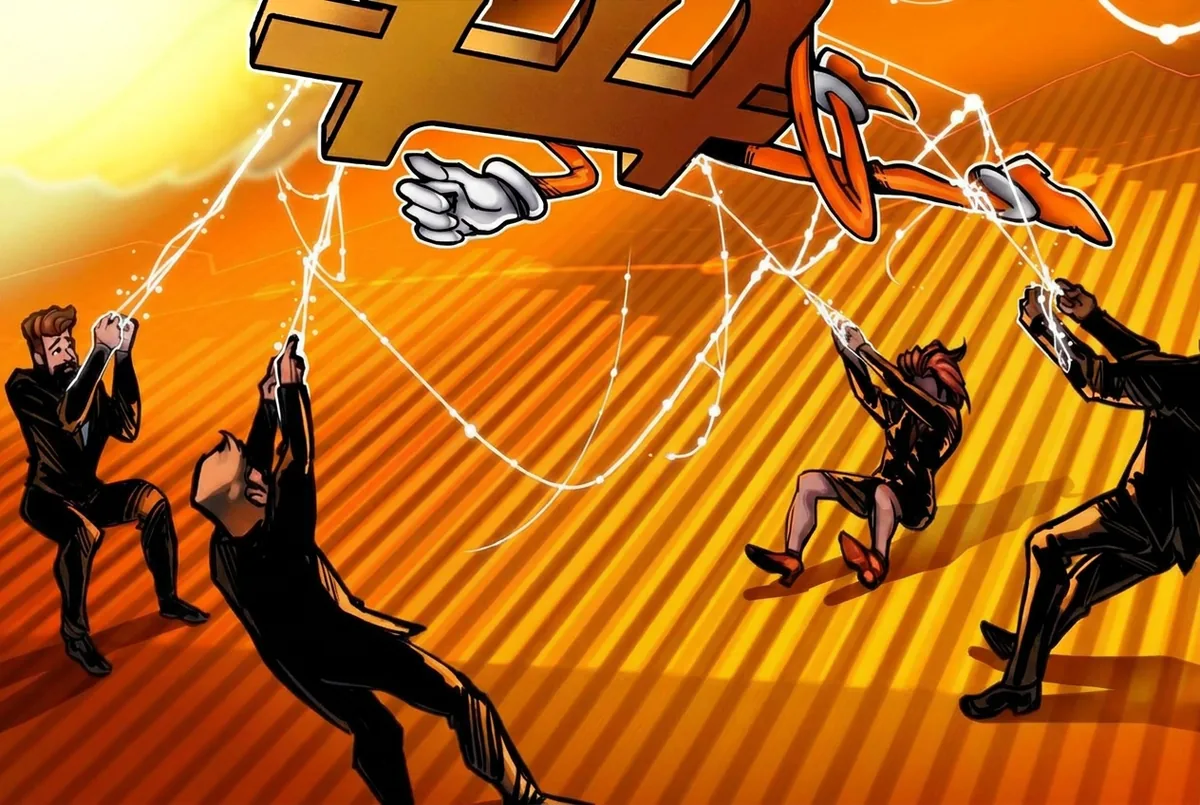
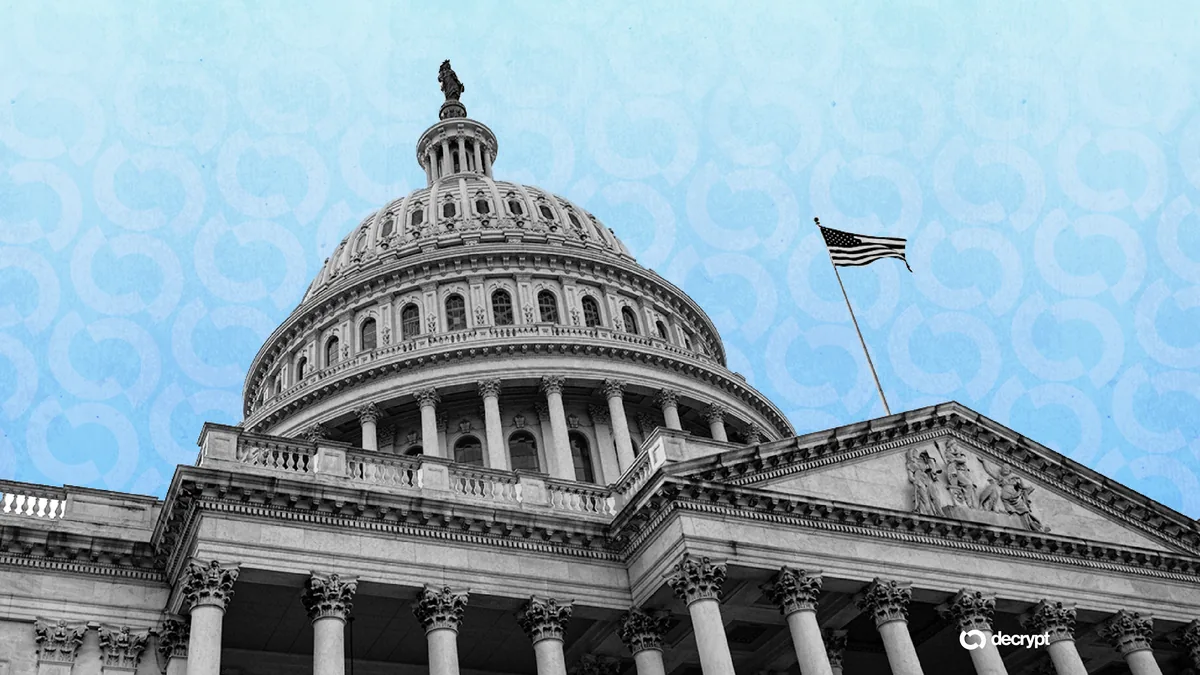
BIP-110 appears to have fizzled out after forking into what the source describes as a “2-block chain.” At the same time, the CLARITY bill has been pushed to a Senate vote in September, extending the wait for a decision on the measure.
The stalled fork and delayed vote matter because both reflect how technical experiments and policy decisions can shape market sentiment and industry planning. For crypto firms and market participants, regulatory timing can affect expectations around compliance, product strategy, and broader confidence in the sector.
The CLARITY vote in particular is being watched closely because it could influence how digital asset rules are defined in the US. But the source notes that the odds of the bill passing are low, which adds uncertainty for companies and advocates hoping for a clearer legal framework.
BIP-110’s quick collapse also underscores how not every blockchain fork gains meaningful traction. In this case, the chain’s limited life suggests little momentum behind the effort, leaving it as another short-lived entry in crypto’s long history of network splits and experiments.
For readers following crypto policy and protocol developments, the takeaway is simple: one experiment has already faded, while another important legislative decision has been postponed and remains far from assured.