Bitcoin Climbs to Two-Week High as US-Iran Deal Eases Oil Fears

Bitcoin rose above $65,500 after the U.S. and Iran reached a deal to end hostilities and reopen the Strait of Hormuz. The move lifted crypto and broader risk assets as oil prices fell, though questions around institutional demand remain.

Bitcoin Climbs to Two-Week High as US-Iran Deal Eases Oil Fears

What happened?

Bitcoin rose above $65,500 after the U.S. and Iran reached a deal to end hostilities and reopen the Strait of Hormuz. The move lifted crypto and broader risk assets as oil prices fell, though questions around institutional demand remain.

Why it matters

The development matters because the agreement reduced fears of energy-supply disruption, a pressure point that had weighed on global markets. Brent crude fell more than 4% toward $83 a barrel as traders removed some of the geopolitical premium from oil, while Asian equities and U.S. stock futures also moved higher.

Bitcoin climbed to its highest level in nearly two weeks on Monday after the United States and Iran reached a deal to end hostilities and reopen the Strait of Hormuz. The cryptocurrency traded around $65,844, up 2.1% over 24 hours, after briefly falling near $63,722 earlier in Asian trading, according to CoinDesk data.

The development matters because the agreement reduced fears of energy-supply disruption, a pressure point that had weighed on global markets. Brent crude fell more than 4% toward $83 a barrel as traders removed some of the geopolitical premium from oil, while Asian equities and U.S. stock futures also moved higher.

The crypto rally extended beyond bitcoin. Ether rose 2.5% to $1,721, solana gained 3.6% to $71, XRP added 3.2% to $1.19, and BNB and dogecoin each advanced more than 1%. Hyperliquid’s HYPE token was among the strongest performers, rising 7.5% to nearly $65.

The market reaction followed earlier weakness in bitcoin, which had slipped below $60,000 last week to its lowest level since October 2024. CoinDesk noted that rising oil prices tied to Iran tensions had reinforced expectations for higher interest rates, which in turn weighed on risk assets including crypto.

Still, the rebound does not resolve every concern facing the market. Analysts cited by CoinDesk pointed to lingering questions around institutional demand, including ETF outflows and Strategy’s recent disclosure that it sold 32 bitcoin to fund preferred share dividends. Those issues could determine whether the risk-on move continues after the Iran-related relief trade is absorbed.

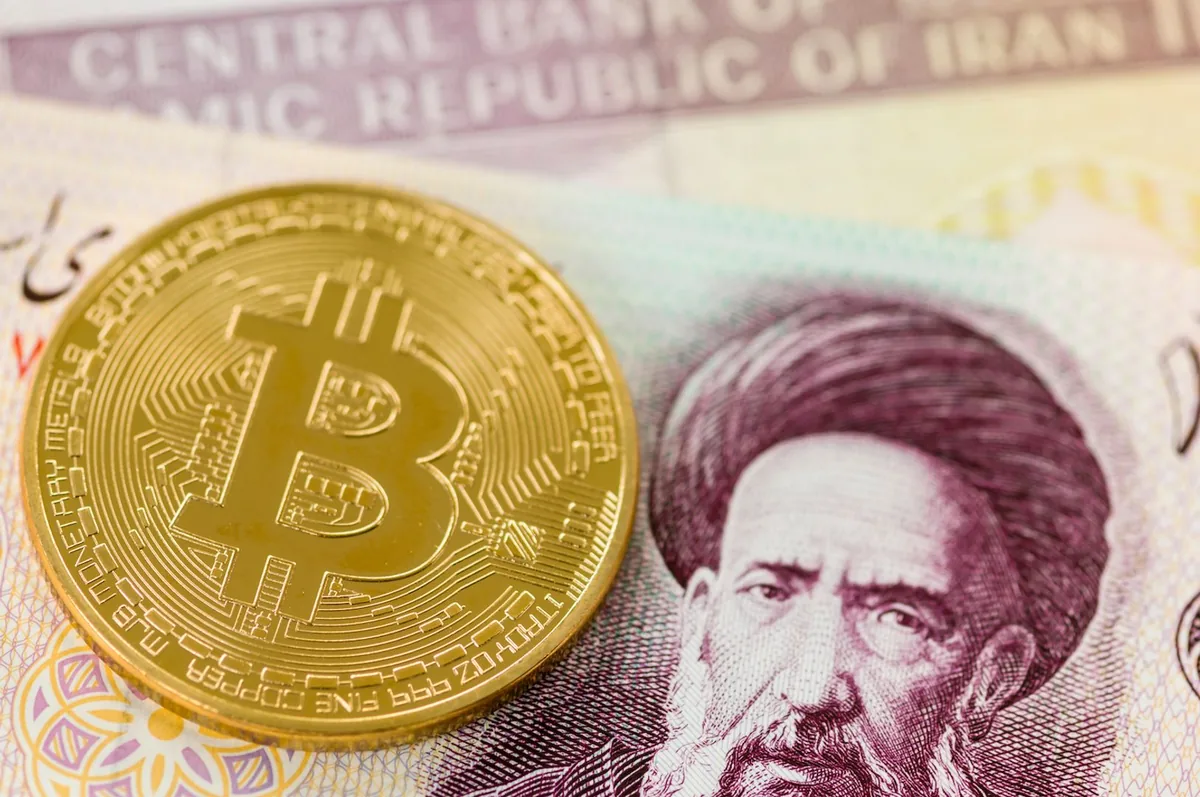
Source: CoinDesk

Keep exploring

Related stories

Two Weeks Left for Clarity in U.S. Crypto Policy Debate

Two Weeks Left for Clarity in U.S. Crypto Policy Debate

The latest State of Crypto update says the industry has two weeks left in the push for the Clarity effort. The development keeps attention on U.S. crypto policy as companies and market participants watch for regulatory direction.

Read
Sberbank plans crypto trading infrastructure launch by Dec. 1

Sberbank plans crypto trading infrastructure launch by Dec. 1

Russia’s biggest bank says it plans to create cryptocurrency trading infrastructure by Dec. 1, as the country moves toward setting rules for market participants. The development comes alongside plans to allow crypto assets to be used in foreign trade operations.

Read
Mira Murati’s Thinking Machines Debuts Inkling on OpenRouter

Mira Murati’s Thinking Machines Debuts Inkling on OpenRouter

Thinking Machines Lab has released Inkling, its first model after two years of silence, and it is now available on OpenRouter. The model’s MCP score appears strong, though its price-to-performance case is more complex.

Read