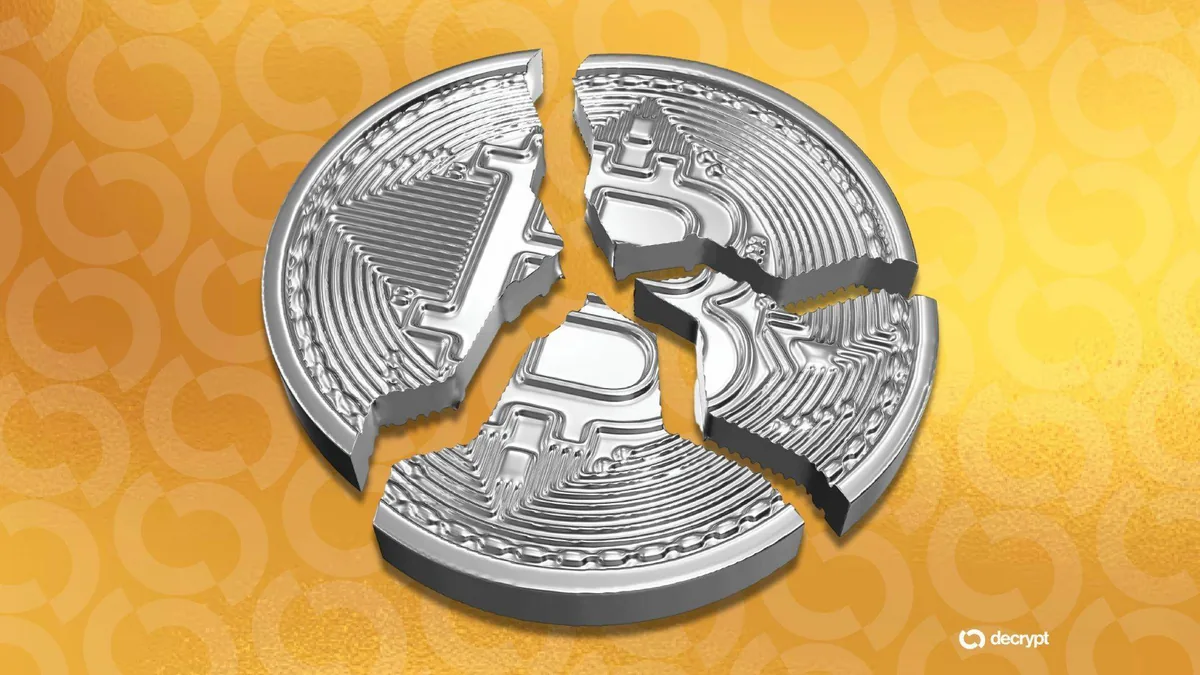
Bitcoin ETF Inflows Rise as Cold Wallet Breach Revives Custody Questions

US spot Bitcoin ETFs recorded $382 million in inflows over two days, while Galaxy’s Bitcoin ETF returned to positive flows. The movement came as a Coldcard-related incident brought crypto custody risks back into focus.

Bitcoin ETF Inflows Rise as Cold Wallet Breach Revives Custody Questions

What happened?

US spot Bitcoin ETFs recorded $382 million in inflows over two days, while Galaxy’s Bitcoin ETF returned to positive flows. The movement came as a Coldcard-related incident brought crypto custody risks back into focus.

Why it matters

The flows matter because spot Bitcoin ETFs have become a key channel for market participation, especially for investors seeking exposure without directly managing private keys or wallets. At the same time, the Coldcard incident has revived discussion around custody, a long-running issue in crypto that affects both individual holders and institutions.

US spot Bitcoin ETFs drew $382 million in inflows over a two-day period, according to the supplied source material. Galaxy’s Bitcoin ETF also returned to gains, adding to the broader picture of renewed demand for regulated Bitcoin investment products.

The flows matter because spot Bitcoin ETFs have become a key channel for market participation, especially for investors seeking exposure without directly managing private keys or wallets. At the same time, the Coldcard incident has revived discussion around custody, a long-running issue in crypto that affects both individual holders and institutions.

The contrast is notable: ETF inflows suggest continued appetite for Bitcoin exposure, while the custody debate highlights why some market participants prefer third-party products and others continue to prioritize self-custody. The source material does not establish a direct causal link between the hack and ETF demand, but both developments point to the same underlying concern: how crypto assets are stored and protected.

For companies in the sector, custody remains a trust issue as much as a technical one. Hardware wallets, ETF issuers, custodians and trading platforms all operate in an environment where security expectations can influence user behavior and market confidence.

The latest inflows show that US spot Bitcoin ETFs remain an active part of the market structure. The Coldcard incident, meanwhile, keeps the focus on a core crypto trade-off: convenience, control and security do not always move in the same direction.


Source: Cointelegraph

Keep exploring

Related stories

Boltz Suspends Bitcoin Swaps as AI Speeds Up Bug Discovery

Boltz Suspends Bitcoin Swaps as AI Speeds Up Bug Discovery

Non-custodial Bitcoin swap provider Boltz has suspended swaps indefinitely after saying attackers are finding vulnerabilities faster than its team can fix them. The shutdown highlights a security pressure point for crypto infrastructure as AI accelerates vulnerability discovery.

Read
Ethereum Researchers Propose Cutting Staking Rewards as Participation Nears 50%

Ethereum Researchers Propose Cutting Staking Rewards as Participation Nears 50%

Ethereum researchers have published EIP-8363, a draft proposal aimed at reducing net consensus-layer rewards as the network’s staking ratio moves toward 50%. Critics cited in the source say the approach could backfire.

Read
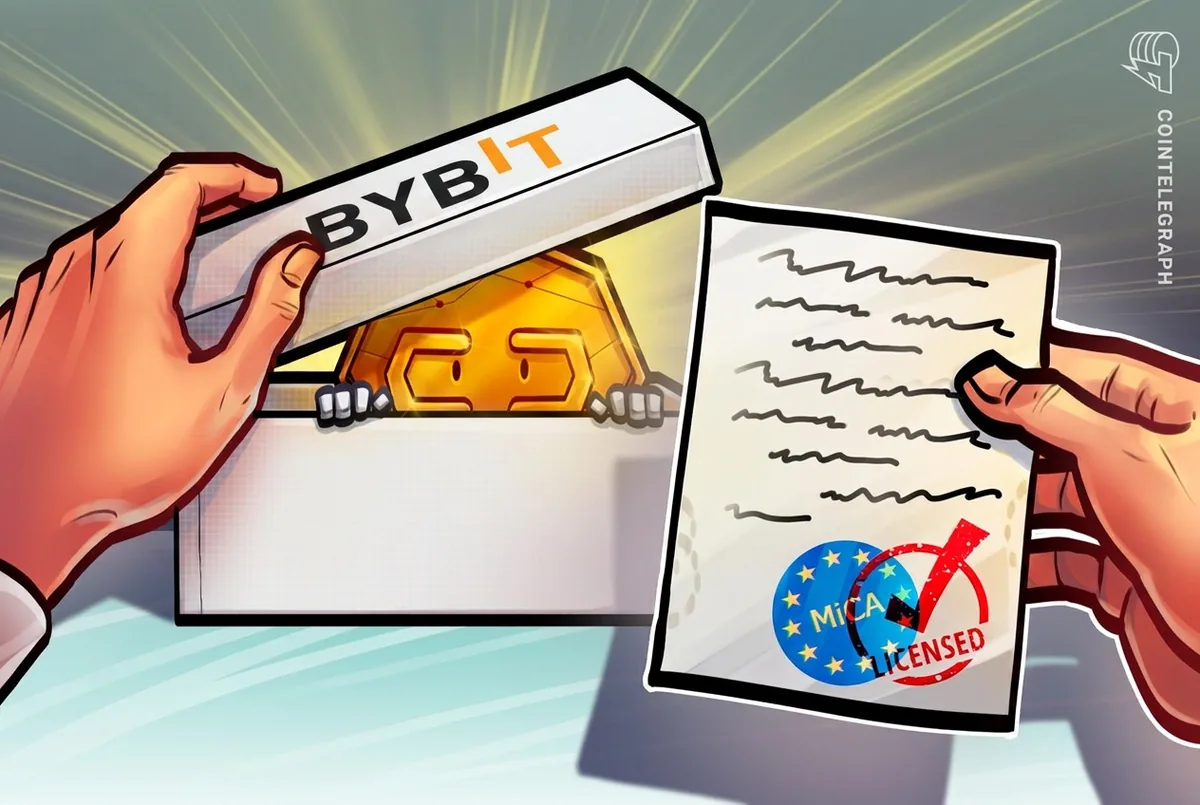
Bybit’s EU Payments Arm Secures Austrian E-Money License

Bybit’s EU Payments Arm Secures Austrian E-Money License

Bybit’s Austrian payments subsidiary has received regulatory approval to develop electronic money services in Europe. The license supports planned card, merchant, open-banking and person-to-person payment products.

Read