
CoinDeskAug 02, 06:50 AM
Strategy Keeps STRC Dividend at 12%
Strategy said it is holding the dividend on its STRC preferred stock at 12%. The decision keeps the payout unchanged for investors in the company’s yield-focused security.
ReadBotanix is winding down after concluding that programmable Bitcoin has not found enough market traction in the current cycle. The setback is sharpening a debate over whether Bitcoin layer-2s should chase broad app ecosystems or focus on BTC-backed lending, staking and yield products.

Botanix is winding down after concluding that programmable Bitcoin has not found enough market traction in the current cycle. The setback is sharpening a debate over whether Bitcoin layer-2s should chase broad app ecosystems or focus on BTC-backed lending, staking and yield products.
Bitcoin layer-2 project Botanix is winding down operations, saying its effort to make Bitcoin programmable and more useful in financial applications did not work in the current market. The closure has become a visible stress test for a wave of Bitcoin infrastructure projects that promised DeFi, staking, smart contracts and rollups built around BTC.
Bitcoin layer-2 project Botanix is winding down operations, saying its effort to make Bitcoin programmable and more useful in financial applications did not work in the current market. The closure has become a visible stress test for a wave of Bitcoin infrastructure projects that promised DeFi, staking, smart contracts and rollups built around BTC.
The development matters because it challenges one of the more ambitious ideas of the last cycle: that Bitcoin could support a broad application economy similar to Ethereum or Solana. CoinDesk reported that Bitcoin’s onchain DeFi activity remains below $5 billion in total value locked, while Ethereum is around $39 billion, despite Bitcoin’s much larger market value.
Builders still active in the sector argue the lesson is not that Bitcoin utility is finished. Instead, they say the market may be rejecting the idea that Bitcoin needs a general-purpose app ecosystem from scratch. Babylon co-founder David Tse told CoinDesk that his project is focused on bringing bitcoin into existing liquid markets such as Ethereum DeFi, rather than trying to bootstrap an entirely new economy.
Other Bitcoin infrastructure teams are making a similar distinction. Chainway Labs CEO Orkun Mahir Kilic, whose company develops Citrea, said Bitcoin layer-2s should avoid positioning themselves as broad competitors to mature ecosystems for trading, lending and consumer apps, and should instead target use cases enabled by Bitcoin’s security and settlement layer.
Rootstock Labs CEO Diego Gutierrez Zaldivar said the market is still showing interest in bitcoin-backed lending and institutional products. In his view, the failures of centralized crypto lenders did not erase demand for BTC lending, but increased the case for more transparent protocol-based alternatives.
The result is a narrower, more disciplined phase for Bitcoin layer-2s. Botanix’s shutdown does not settle the future of programmable Bitcoin, but it does suggest that projects built around “Ethereum on Bitcoin” may need to prove clearer user demand before the market rewards them.
Keep exploring

Strategy said it is holding the dividend on its STRC preferred stock at 12%. The decision keeps the payout unchanged for investors in the company’s yield-focused security.
Read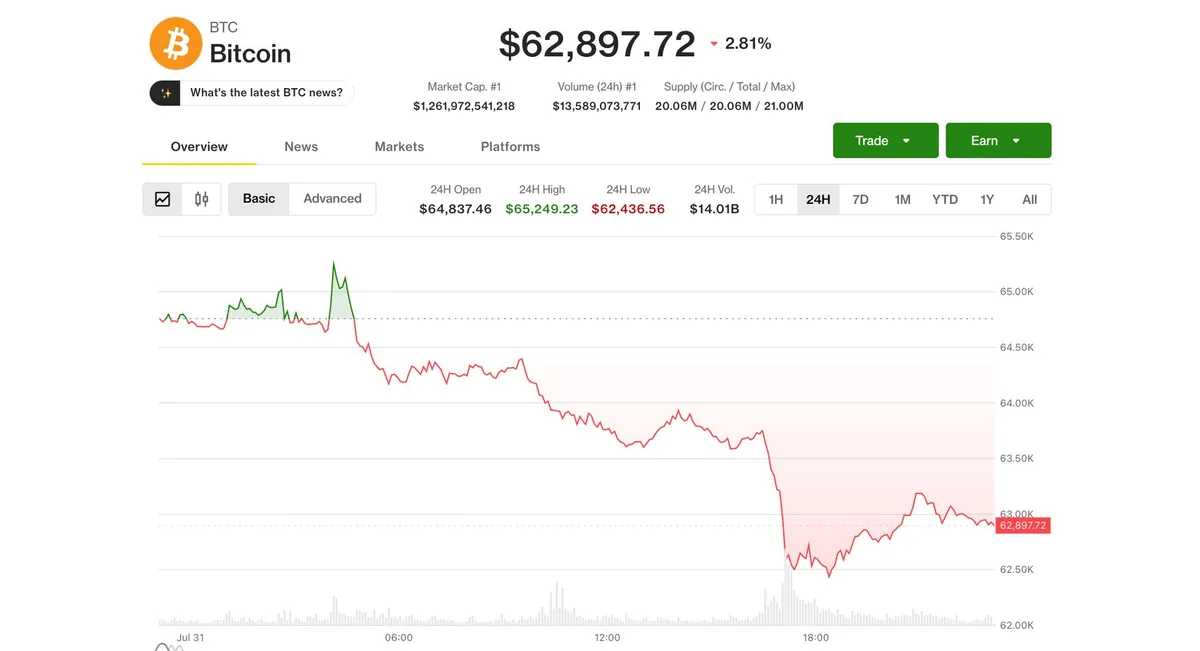
Bitcoin ended July with a monthly gain, though analysts expect August could be more volatile. They said the recent forced-selling pressure that weighed on the market appears to have already run its course.
Read
The latest State of Crypto update says the industry has two weeks left in the push for the Clarity effort. The development keeps attention on U.S. crypto policy as companies and market participants watch for regulatory direction.
Read