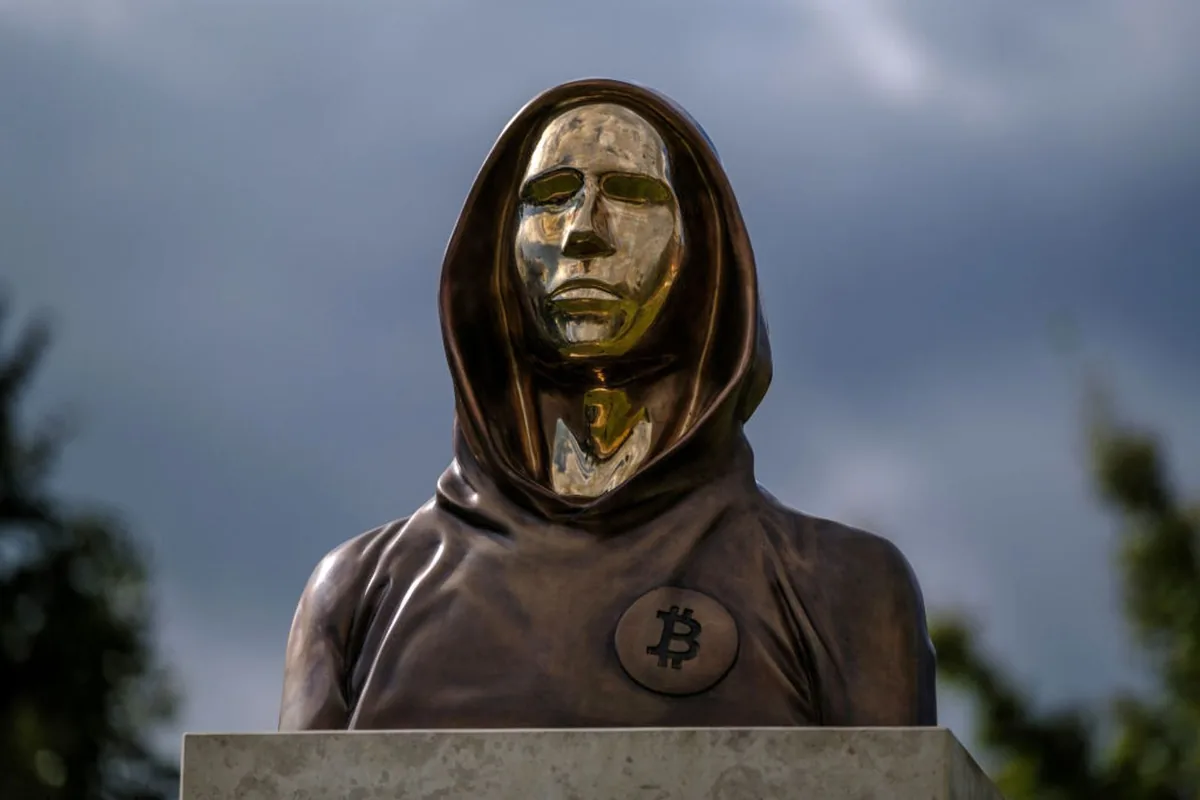
A new Bitcoin recovery proposal is seeking to address a long-discussed quantum computing risk by creating a way to rescue coins that could become vulnerable in the future. The plan, however, would not be used to access Satoshi Nakamoto’s estimated 1.1 million bitcoins, which remain untouched.
The development matters because quantum computing has been one of the more persistent security concerns in Bitcoin circles, especially for coins tied to older address formats or other vulnerable setups. A recovery tool could give the ecosystem a path to deal with certain compromised funds without forcing a broader rewrite of Bitcoin’s rules.
According to the source, the proposal is framed as a recovery mechanism rather than a claim on dormant or historically significant holdings. That distinction is central to the debate, since any tool that could reach long-unmoved coins would raise major questions about ownership, precedent and network trust.
For the wider crypto industry, the discussion reflects how Bitcoin’s security model may need to evolve as quantum computing advances. Even so, the proposal described in the source is limited in scope and is not designed to unlock Satoshi’s coins or other inactive addresses by default.
The idea adds to ongoing conversations about how Bitcoin can prepare for future cryptographic threats while preserving its core property of finality. For now, it represents an attempt to reduce risk without opening the door to broad retroactive access to old coins.