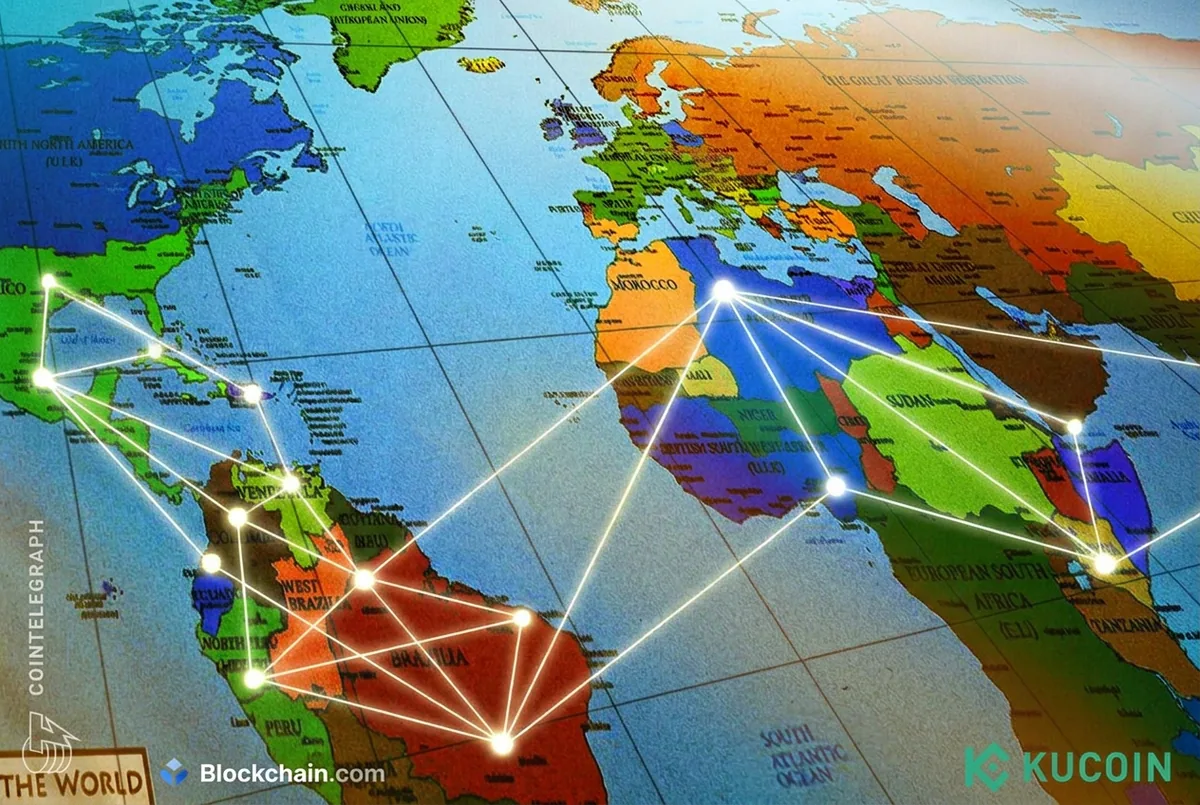
Blockchain.com and KuCoin have expanded their payment infrastructure efforts across several emerging markets. Blockchain.com launched a payments platform focused on businesses in Brazil, while KuCoin added integrations with banking and mobile-money networks in Mexico, Bangladesh and Zambia.
The developments matter because payment access remains a key practical test for digital assets. By connecting crypto services with business payment tools, banks and mobile-money systems, companies can make it easier for users and merchants to move between digital assets and local financial rails.
For Blockchain.com, the Brazil-focused platform is aimed at businesses, placing the company more directly in the market for crypto-linked commercial payment services. Brazil has been an important market for digital-asset adoption, and business-facing infrastructure can play a role in how crypto services are used beyond trading.
KuCoin’s integrations extend across three different markets: Mexico, Bangladesh and Zambia. The expansion connects its services to banking and mobile-money networks, a relevant channel in regions where mobile payments and local financial access can shape how users interact with digital assets.
The announcements reflect a broader push among crypto platforms to make digital assets more usable through existing payment systems. They do not change the risks attached to crypto markets, but they show how major industry companies are trying to build more direct links between blockchain-based services and everyday financial infrastructure.