Blockchain Researchers Warn HTX Sanctions May Blur Crypto Risk Signals

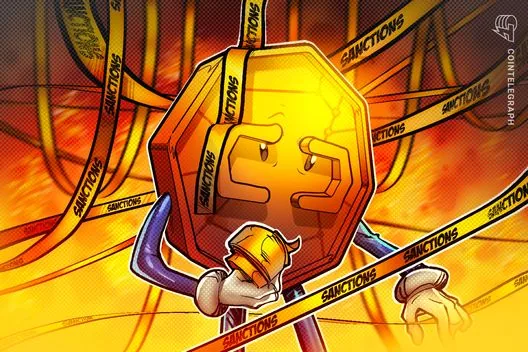
Blockchain researchers warn that broad tainting linked to HTX sanctions could affect legitimate users and weaken the usefulness of compliance tools. They say overbroad risk labels may make it harder to trace illicit funds clearly.

Blockchain Researchers Warn HTX Sanctions May Blur Crypto Risk Signals

What happened?

Blockchain researchers warn that broad tainting linked to HTX sanctions could affect legitimate users and weaken the usefulness of compliance tools. They say overbroad risk labels may make it harder to trace illicit funds clearly.

Why it matters

The warning also points to a broader challenge for the crypto ecosystem: compliance tools need risk labels to be specific enough to support investigations. When labels become too broad, researchers say they may be less effective for tracing the funds that sanctions and enforcement systems are meant to identify.

Blockchain researchers have warned that broad sanctions-related tainting of HTX activity could create problems for crypto compliance systems. According to the source material, researchers say wide risk labeling may freeze legitimate users while making tools for tracking illicit funds less useful.

The concern matters because risk signals are a core part of how exchanges, investigators, and compliance teams assess crypto transactions. If too much activity is treated as tainted, the signal can become less precise, potentially making it harder to separate illicit flows from ordinary user activity.

Researchers highlighted the risk that legitimate users could be caught up in broad restrictions. That outcome could create unnecessary friction for people whose activity is not itself described as illicit in the source material.

The warning also points to a broader challenge for the crypto ecosystem: compliance tools need risk labels to be specific enough to support investigations. When labels become too broad, researchers say they may be less effective for tracing the funds that sanctions and enforcement systems are meant to identify.

The source material does not describe a specific enforcement outcome, user impact figure, or market reaction. The central issue is the balance between sanctions compliance and maintaining risk signals that remain useful for investigators and platforms.

Source: Cointelegraph

Keep exploring

Related stories

Two Weeks Left for Clarity in U.S. Crypto Policy Debate

Two Weeks Left for Clarity in U.S. Crypto Policy Debate

The latest State of Crypto update says the industry has two weeks left in the push for the Clarity effort. The development keeps attention on U.S. crypto policy as companies and market participants watch for regulatory direction.

Read
Sberbank plans crypto trading infrastructure launch by Dec. 1

Sberbank plans crypto trading infrastructure launch by Dec. 1

Russia’s biggest bank says it plans to create cryptocurrency trading infrastructure by Dec. 1, as the country moves toward setting rules for market participants. The development comes alongside plans to allow crypto assets to be used in foreign trade operations.

Read
Mira Murati’s Thinking Machines Debuts Inkling on OpenRouter

Mira Murati’s Thinking Machines Debuts Inkling on OpenRouter

Thinking Machines Lab has released Inkling, its first model after two years of silence, and it is now available on OpenRouter. The model’s MCP score appears strong, though its price-to-performance case is more complex.

Read