Citadel has warned that the artificial intelligence boom may be running into a cost wall, according to Decrypt, as investors look ahead to a potential SpaceX IPO. At the same time, Tether has led a $1.4 billion round into humanoid robotics, underscoring continued appetite for high-growth technology bets linked to AI and automation.
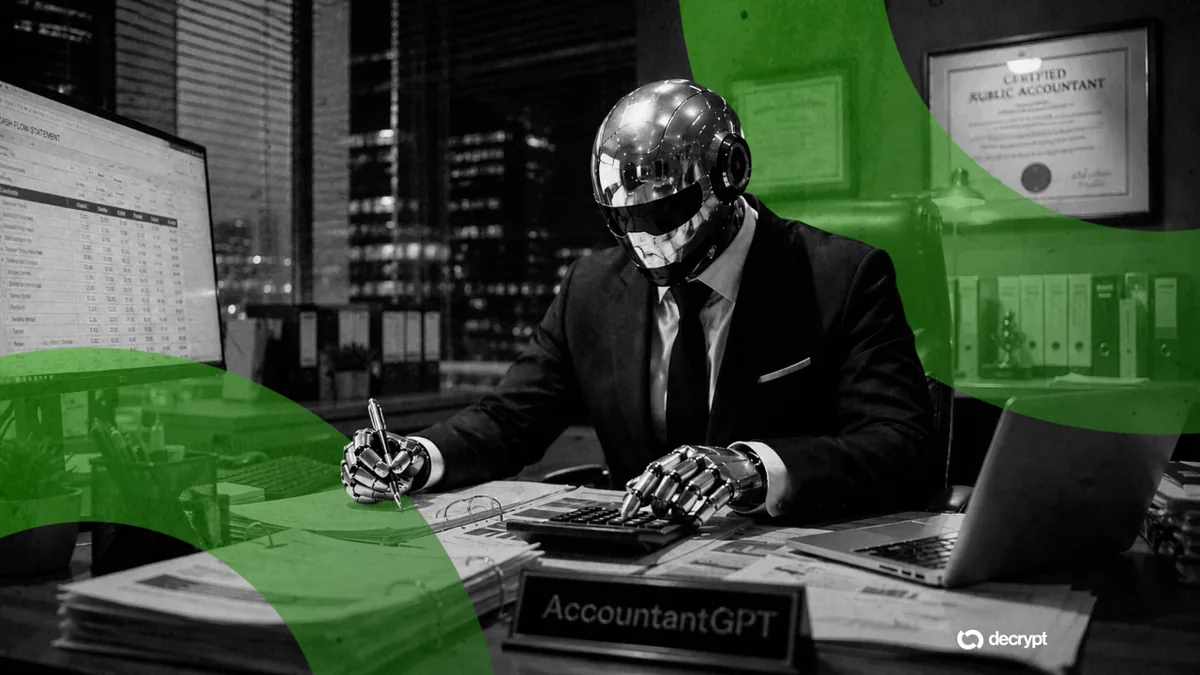
The caution matters because AI has become one of the dominant market narratives, shaping valuations across public and private companies. If the cost of building and operating AI systems begins to challenge expected returns, investors may reassess parts of the trade, especially where optimism has depended on rapid scaling and future monetization.
Tether’s involvement adds a crypto-market angle to the broader technology story. The stablecoin issuer’s participation in a major robotics financing shows how crypto-linked capital is moving beyond digital asset infrastructure and into sectors connected to AI, automation, and physical-world computing.
The contrast is notable: Citadel is flagging the risk that the AI boom could be constrained by economics, while large private funding rounds continue to support companies building around the same technological wave. That tension reflects a market still willing to fund ambitious AI-adjacent projects, even as questions grow about costs, timelines, and sustainable business models.
For readers, the key takeaway is not that the AI trade is over, but that its next phase may face tougher scrutiny. As capital flows into robotics, space, and AI infrastructure, investors and companies will likely focus more closely on whether those investments can produce durable revenue rather than simply ride a powerful market theme.