Coinbase is trying to reduce its reliance on trading fees by expanding into a wider set of crypto and financial services, according to analyst reactions to the company’s System Update event in New York. The exchange presented products tied to derivatives, tokenized stocks, stablecoin payments, lending and artificial intelligence.
The shift matters because Coinbase’s revenue has historically been closely linked to crypto trading cycles. When bitcoin rallies and retail activity increases, trading revenue can rise; when market activity slows, that revenue can weaken. Analysts described the new product push as an attempt to make Coinbase less dependent on spot trading and more like a broader financial platform.
Derivatives stood out as the main opportunity in the analyst commentary. Firms highlighted Coinbase’s work on options and perpetual futures, including efforts to expand access for U.S. customers and connect liquidity across markets. Clear Street analyst Owen Lau noted that about 80% of crypto trading volume happens in derivatives markets, making the category a potentially larger source of transaction revenue than spot trading.
Stablecoins and payments infrastructure were another major theme. Analysts pointed to Coinbase’s focus on stablecoin payments, agentic commerce and developer tools that help businesses integrate crypto services. Those areas were framed as possible recurring revenue sources that may be less exposed to day-to-day crypto market volatility.
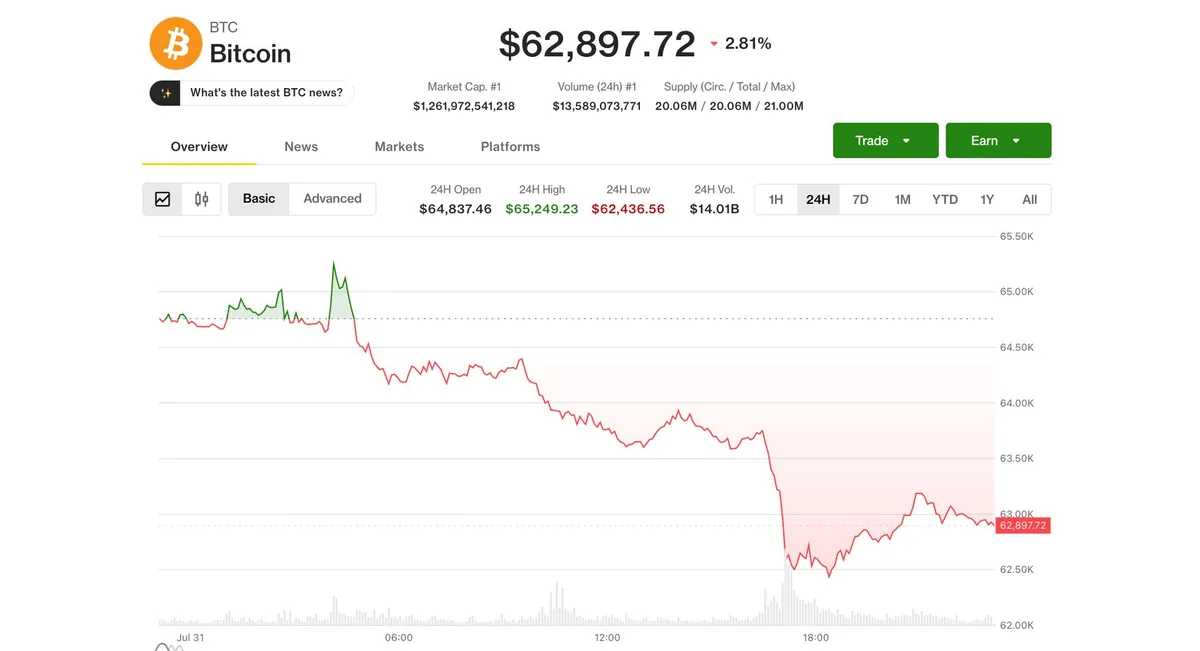
Coinbase also introduced products designed to connect AI agents with trading and payment systems, part of a broader ambition to serve as a financial account for AI-driven activity. Analysts viewed those efforts as early-stage and said the announcements are unlikely to materially change near-term earnings, but they saw the event as evidence that Coinbase is widening its long-term growth strategy. Coinbase shares rose about 2% on Wednesday before trimming gains, while the stock was down about 26% for the year, roughly in line with bitcoin’s performance.