
CoinDeskAug 02, 06:50 AM
Strategy Keeps STRC Dividend at 12%
Strategy said it is holding the dividend on its STRC preferred stock at 12%. The decision keeps the payout unchanged for investors in the company’s yield-focused security.
ReadHouse and Senate leaders have reached a deal on a housing bill that includes a temporary ban on a U.S. central bank digital currency. The measure would put the CBDC restriction in place until 2030 if enacted.
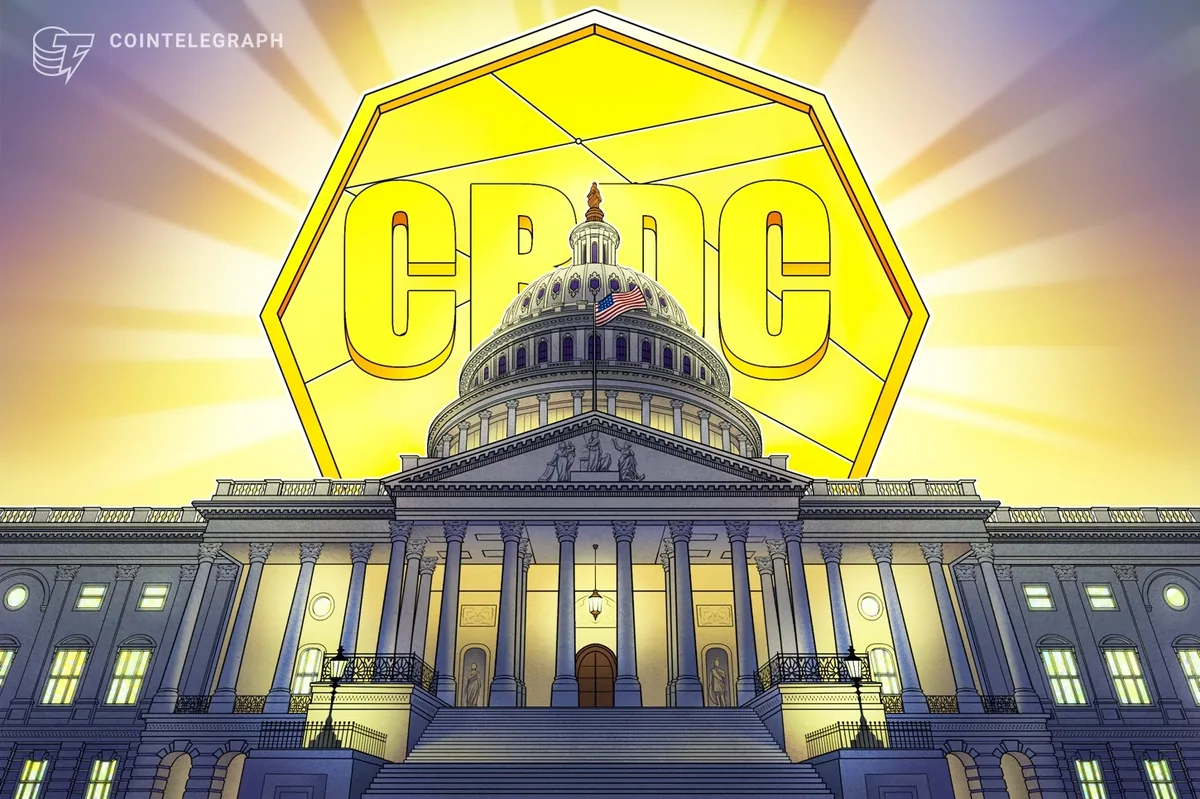
House and Senate leaders have reached a deal on a housing bill that includes a temporary ban on a U.S. central bank digital currency. The measure would put the CBDC restriction in place until 2030 if enacted.
For readers following U.S. regulation, the proposal is another example of lawmakers debating the role of government-issued digital money alongside existing private-sector crypto markets. The outcome could influence the policy environment for stablecoins, payments, and broader digital asset discussions.
House and Senate leaders have reached a deal on a housing bill that includes a temporary ban on a U.S. central bank digital currency, according to the source report. The CBDC restriction would remain in place until 2030 as part of the broader legislation.
The development matters because it could shape the direction of U.S. digital currency policy and set limits on how a future federal digital dollar could be explored or implemented. For the crypto sector, the inclusion of a CBDC ban in major legislation signals that digital currency policy remains a live issue in Congress.
The housing bill is the vehicle for the proposed restriction, showing how broader legislative negotiations can carry significant implications for crypto-related policy. While the deal has been reached, the measure would still need to move through the rest of the legislative process before taking effect.
For readers following U.S. regulation, the proposal is another example of lawmakers debating the role of government-issued digital money alongside existing private-sector crypto markets. The outcome could influence the policy environment for stablecoins, payments, and broader digital asset discussions.
At this stage, the report points to a temporary ban rather than a permanent prohibition. The final impact will depend on whether the bill is enacted and how the CBDC language is ultimately implemented.
Keep exploring

Strategy said it is holding the dividend on its STRC preferred stock at 12%. The decision keeps the payout unchanged for investors in the company’s yield-focused security.
Read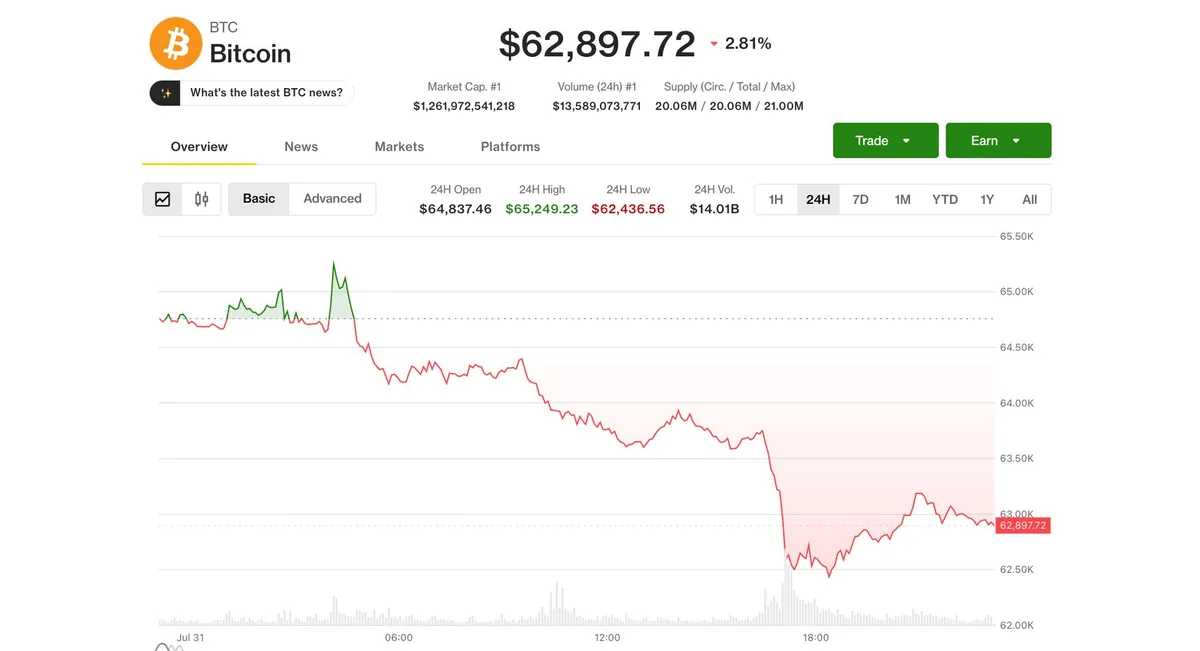
Bitcoin ended July with a monthly gain, though analysts expect August could be more volatile. They said the recent forced-selling pressure that weighed on the market appears to have already run its course.
Read
The latest State of Crypto update says the industry has two weeks left in the push for the Clarity effort. The development keeps attention on U.S. crypto policy as companies and market participants watch for regulatory direction.
Read