Crypto-Backed Candidates Win in Three US State Primaries

Crypto-aligned political groups including Fairshake and its affiliates spent a combined $8 million on media supporting candidates in Maryland, New York and Utah. The primary wins came amid criticism from opponents who described the spending as influence from “crypto billionaires.”

Crypto-Backed Candidates Win in Three US State Primaries

What happened?

Crypto-aligned political groups including Fairshake and its affiliates spent a combined $8 million on media supporting candidates in Maryland, New York and Utah. The primary wins came amid criticism from opponents who described the spending as influence from “crypto billionaires.”

Why it matters

The development matters because it shows the crypto industry’s political spending continuing to target state-level races, not only national campaigns. For companies and market participants, the results point to a more organized effort by crypto-aligned groups to support candidates seen as favorable to the sector.

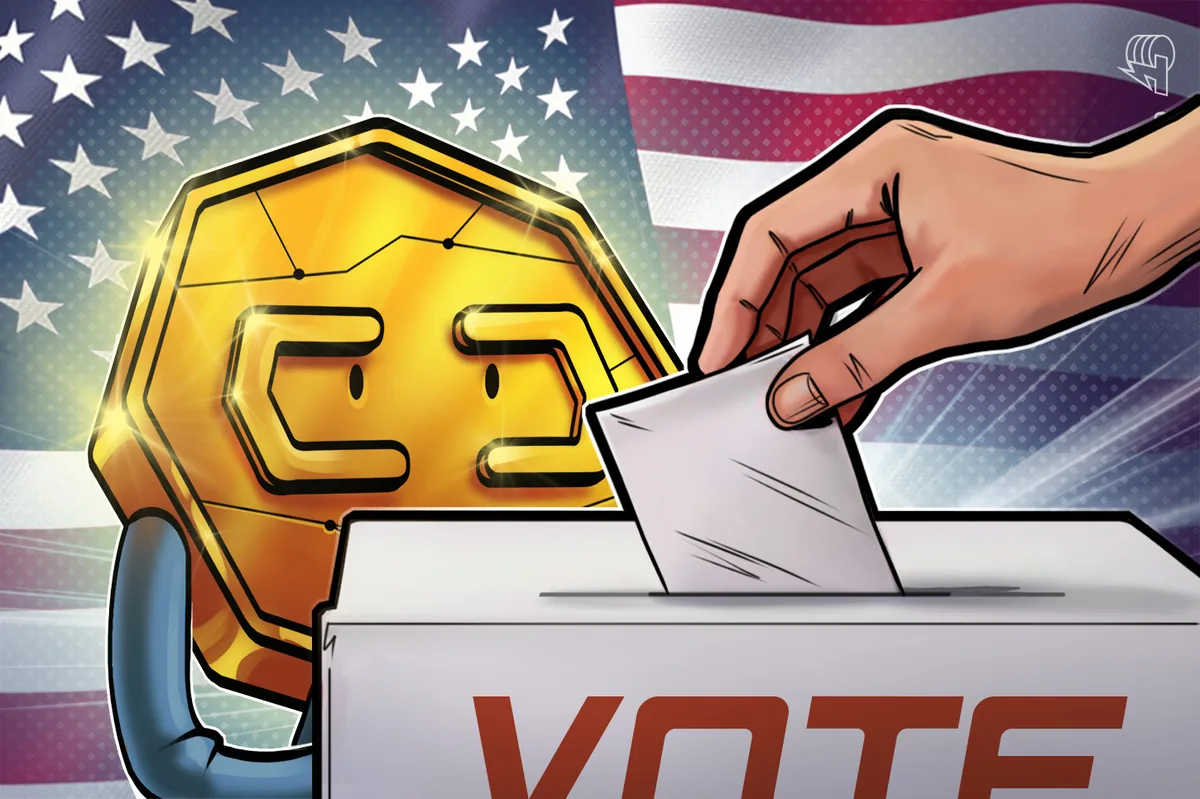
Crypto-backed candidates recorded wins in three US state primaries, with contests in Maryland, New York and Utah drawing support from the crypto-aligned Fairshake political action committee and its affiliates.

The development matters because it shows the crypto industry’s political spending continuing to target state-level races, not only national campaigns. For companies and market participants, the results point to a more organized effort by crypto-aligned groups to support candidates seen as favorable to the sector.

According to the source material, Fairshake and affiliated groups spent a combined $8 million on media in support of candidates across the three states. The spending became a flashpoint for critics, including those who characterized the effort as backing from “crypto billionaires.”

The wins add to the broader debate over how digital-asset interests are trying to shape US policy through elections. While the source does not detail the candidates’ policy platforms or the exact outcomes in each race, it frames the primaries as a visible test of crypto-aligned campaign influence.

For readers following crypto regulation, the races underscore how political strategy has become part of the industry’s operating environment. The immediate takeaway is not a change in law, but a signal that crypto-focused political groups are willing to spend heavily in competitive primaries.
Source: Cointelegraph

Keep exploring

Related stories

Senate Keeps CLARITY Act Moving as Crypto Vote Is Set for September

Senate Keeps CLARITY Act Moving as Crypto Vote Is Set for September

Senate Majority Leader John Thune filed a motion to proceed early Saturday, keeping the CLARITY Act on track for a mid-September vote. The move sets up another key moment for the bill as lawmakers continue working through crypto legislation.

Read
U.S. Senate Begins First Round of Voting on Crypto Clarity Act

U.S. Senate Begins First Round of Voting on Crypto Clarity Act

The U.S. Senate has opened the first stage of voting on the Crypto Clarity Act, moving the bill one step closer to potential consideration next month. The vote marks an early procedural development in the legislative process.

Read
IMF says domestic stablecoins could increase demand for dollar-backed tokens

IMF says domestic stablecoins could increase demand for dollar-backed tokens

IMF first deputy managing director Dan Katz said users may prefer digital dollars because of their liquidity, network effects and cross-border acceptance. The comments suggest local stablecoin projects could still reinforce demand for dollar-linked tokens.

Read