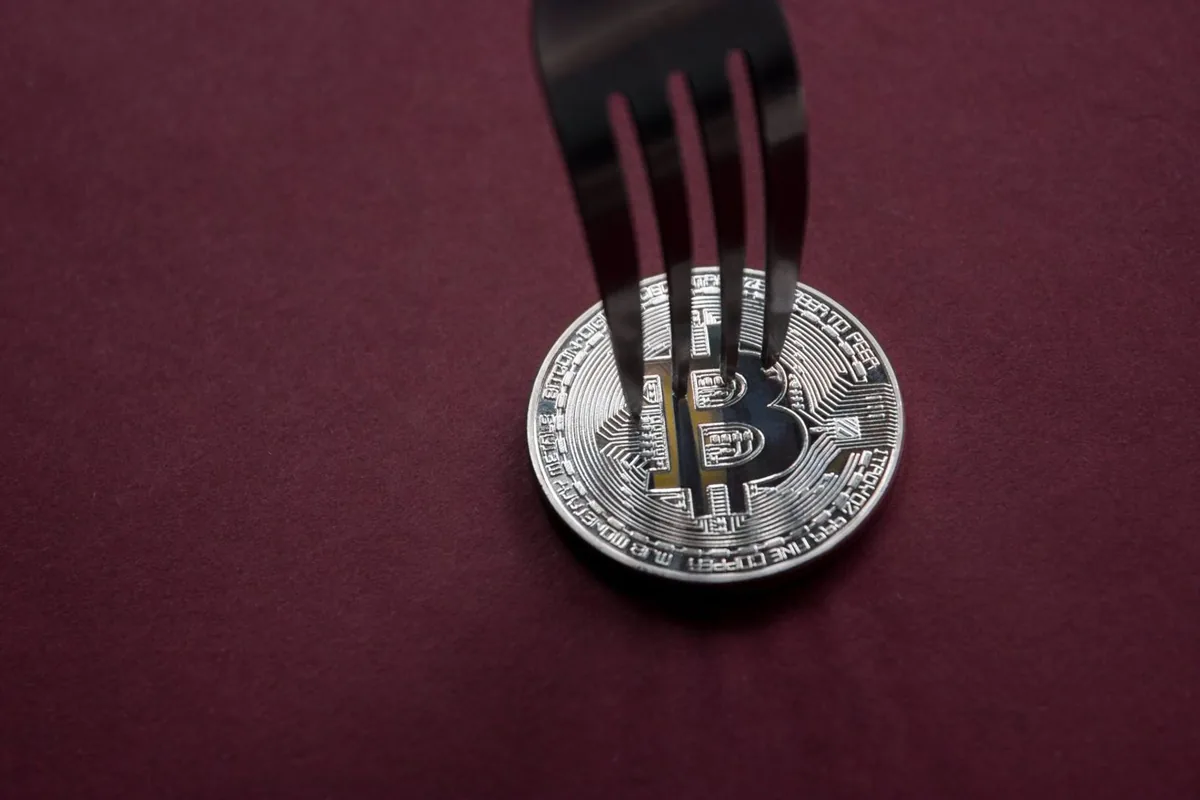
Bitcoin holders were warned that selling coins from a possible BIP-110 fork could also move their real BTC on the main Bitcoin chain. According to CoinDesk, Bitcoin developer Kevin Loaec flagged the risk on X, saying a fork tied to the controversial proposal could create duplicate balances and expose sellers to replay attacks.
The issue matters because a fork can make it look as if holders have received a second set of coins that can be sold for free value. But if both chains accept the same signed transaction, a buyer of the forked coins could broadcast that transaction on Bitcoin itself, causing the seller to send the same amount of actual BTC to the same destination.
This type of event is known as a replay attack. CoinDesk noted that it would not empty a wallet automatically; only the coins involved in the attempted sale would move. Still, the result could be costly for holders who do not know how to separate coins across the two chains.
BIP-110 would seek to keep pictures, text and other non-payment data out of Bitcoin transactions for one year. The proposal needs miner support through marked blocks, but CoinDesk reported that miner signaling was near 2.6% as of Friday, far below the 55% threshold described in the proposal.
The fork risk comes from a secondary path in BIP-110, under which computers running the proposal’s software would begin rejecting blocks that do not carry the required mark from block 961,632. If some miners continue a BIP-110-compatible branch while most continue mining Bitcoin as usual, two transaction histories could briefly exist. CoinDesk reported that built-in replay protection would not take effect until block 965,664, expected around the start of September, making inaction the simplest option for non-experts until balances can be separated safely.