Fake Crypto Startup Reportedly Drew Suspected North Korean IT Workers

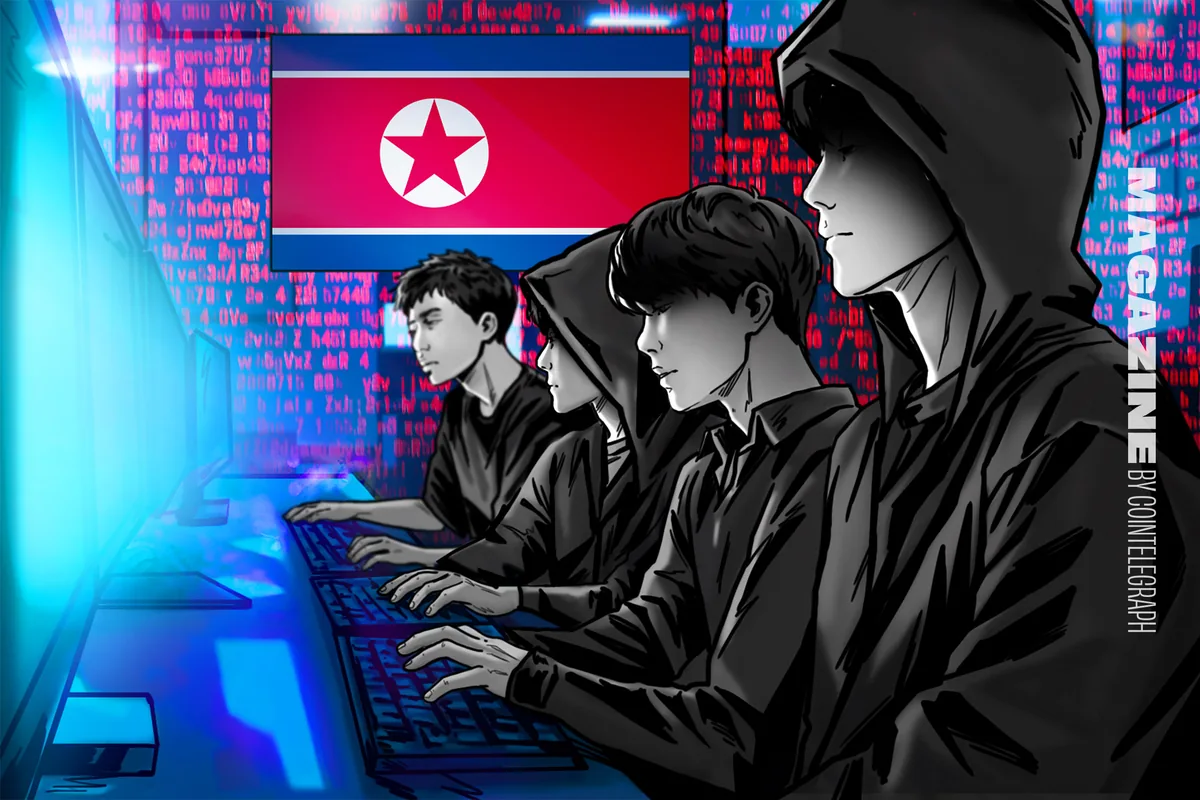
A fake crypto startup reportedly attracted suspected North Korean IT workers who did not realize their activity was being monitored. The operation was designed to gather intelligence on how such workers engage with crypto companies.

Fake Crypto Startup Reportedly Drew Suspected North Korean IT Workers

What happened?

A fake crypto startup reportedly attracted suspected North Korean IT workers who did not realize their activity was being monitored. The operation was designed to gather intelligence on how such workers engage with crypto companies.

Why it matters

The source material describes the workers as suspected North Koreans, not confirmed agents. It also does not state that user funds were affected, that a market moved because of the operation, or that any specific company suffered losses.

A fake crypto startup reportedly succeeded in bringing suspected North Korean IT workers into its operation, while tracking their activity without their knowledge. According to Cointelegraph, the setup was designed to extract useful intelligence from the workers as they interacted with what they believed was a real crypto business.

The case matters because crypto companies remain a target for covert labor and security risks tied to remote hiring. For exchanges, protocols and startups, the report underlines how identity checks, contractor screening and internal monitoring can become part of broader security defenses.

The source material describes the workers as suspected North Koreans, not confirmed agents. It also does not state that user funds were affected, that a market moved because of the operation, or that any specific company suffered losses.

For the wider crypto ecosystem, the episode highlights a persistent challenge: open, global hiring can help projects scale quickly, but it can also create openings for actors using false identities. The fake startup appears to have reversed that dynamic by using the hiring process itself to observe suspected operatives.

The report adds to ongoing concerns around cyber and operational security in crypto, where teams often rely on distributed contributors and fast onboarding. The main takeaway for readers is not a market signal, but a security one: personnel risk can be as important as code risk.
Source: Cointelegraph

Keep exploring

Related stories

Tether Gold Reserves Rise 9.5% During Gold’s Sharpest Quarterly Drop Since 2013

Tether Gold Reserves Rise 9.5% During Gold’s Sharpest Quarterly Drop Since 2013

Tether Gold increased its bullion backing by 9.5% in the second quarter, even as gold recorded its steepest quarterly correction in 13 years. The move came alongside continued growth in holder counts for tokenized commodities.

Read
Strategy Sells $104M in Bitcoin to Support STRC

Strategy Sells $104M in Bitcoin to Support STRC

Strategy sold $104 million worth of Bitcoin last week to help support STRC. The move stands out because STRC is described as a financial product designed to help the company buy more Bitcoin.

Read
Texas ERCOT Data Center Pause Not Expected to Hit Approved Bitcoin Miner Power Deals

Texas ERCOT Data Center Pause Not Expected to Hit Approved Bitcoin Miner Power Deals

Bernstein said Texas Governor Greg Abbott’s moratorium on approvals for ERCOT-linked data centers is not expected to materially affect Bitcoin miners with already approved electricity contracts. The pause applies while an audit is pending, according to the source material.

Read