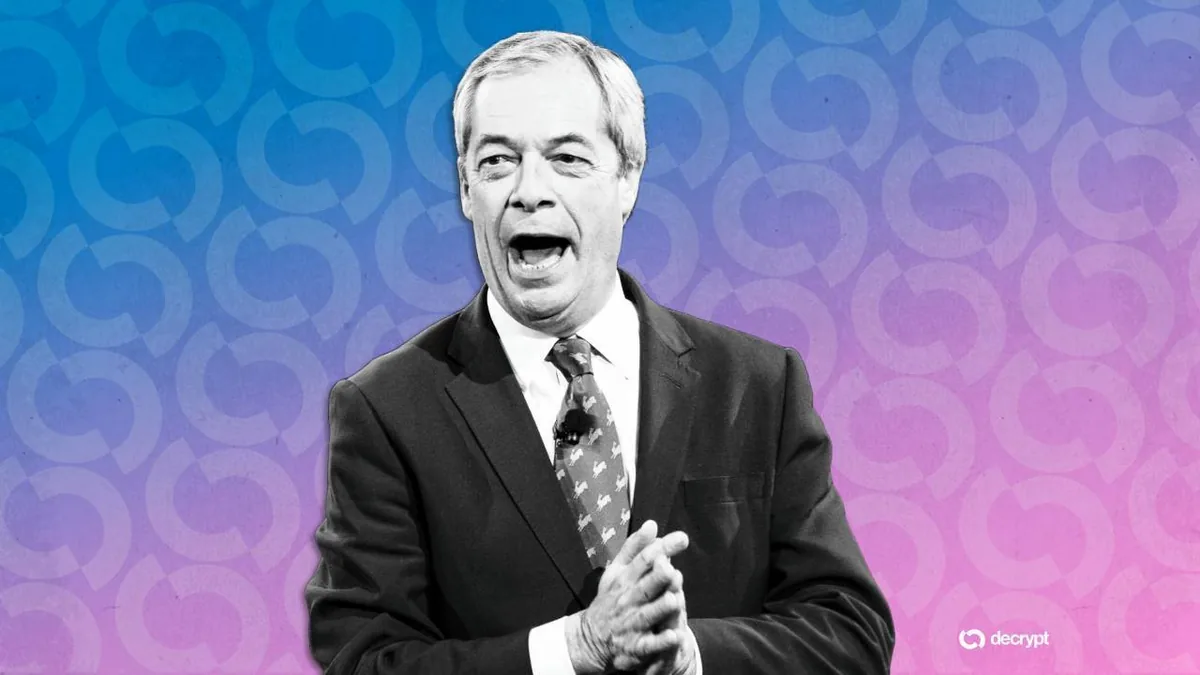
A Labour MP has reported Reform UK leader Nigel Farage to the UK standards watchdog, alleging that he pressed the Bank of England on policy in a way that could benefit his biggest donor, who is described as a major investor in Tether. The complaint adds a political ethics angle to an already sensitive debate around crypto-related policymaking in the UK.
The development matters because it links digital asset lobbying, central bank policy, and political donations in a way that could attract scrutiny from regulators, lawmakers, and the wider crypto industry. For readers following the sector, the case highlights how stablecoin and payments policy can become entangled with questions about influence and conflicts of interest.
According to the source, the allegation centers on whether Farage’s intervention with the Bank of England could have supported policy outcomes favorable to a donor with exposure to Tether. The report does not establish wrongdoing, but it does suggest the issue is now being examined through formal parliamentary standards channels.
The episode also comes at a time when crypto firms and their backers are paying close attention to how policymakers frame oversight of stablecoins and broader digital asset rules. Any public dispute over lobbying and donor influence can shape the tone of future debates, even before any official findings are made.
For the crypto ecosystem, the case is another reminder that regulatory conversations are increasingly intertwined with politics, funding networks, and public trust. The standards complaint is likely to keep those questions in view as the UK continues to consider its approach to digital asset regulation.