Fidelity Enters Stablecoin Reserve Fund Race

Fidelity Investments is launching a money market fund for stablecoin issuers and institutional investors under the GENIUS Act. The move follows a similar State Street product and points to rising competition among traditional asset managers for stablecoin reserve assets.

Fidelity Enters Stablecoin Reserve Fund Race

What happened?

Fidelity Investments is launching a money market fund for stablecoin issuers and institutional investors under the GENIUS Act. The move follows a similar State Street product and points to rising competition among traditional asset managers for stablecoin reserve assets.

Why it matters

Fidelity Investments is launching the Fidelity Reserves Digital Fund, a money market fund aimed at stablecoin issuers and institutional investors. The product is designed around reserve requirements established by the GENIUS Act and is set to launch on Thursday, according to CoinDesk.

Fidelity Investments is launching the Fidelity Reserves Digital Fund, a money market fund aimed at stablecoin issuers and institutional investors. The product is designed around reserve requirements established by the GENIUS Act and is set to launch on Thursday, according to CoinDesk.

The development matters because stablecoin reserves are becoming a larger target for traditional asset managers. As payment stablecoins grow, issuers need liquid, compliant assets backing their tokens, creating a market for regulated reserve-management products from firms such as Fidelity and State Street.

State Street recently introduced its own stablecoin-reserve money market fund, highlighting how Wall Street firms are competing for a segment that could expand substantially if stablecoins gain wider use in global finance. CoinDesk cited industry forecasts from State Street projecting the stablecoin sector could grow from roughly $320 billion today to between $1.9 trillion and $4 trillion by 2030.

The GENIUS Act created the first federal framework for payment stablecoins in the United States. Under the law, issuers must hold reserves in cash, short-term U.S. Treasury securities and qualifying government money market funds.

Fidelity’s fund will invest in U.S. Treasury bills, notes and bonds with maturities of 93 days or less, along with cash, overnight repurchase agreements backed by Treasuries and other government money market funds that comply with the legislation. The company framed the launch around its fixed-income and money-market experience, while State Street has positioned its effort as part of a broader move into tokenized finance and onchain liquidity management.


Source: CoinDesk

Keep exploring

Related stories

Bitcoin Keeps July Gain as Analysts Warn of a Choppy August Ahead

Bitcoin Keeps July Gain as Analysts Warn of a Choppy August Ahead

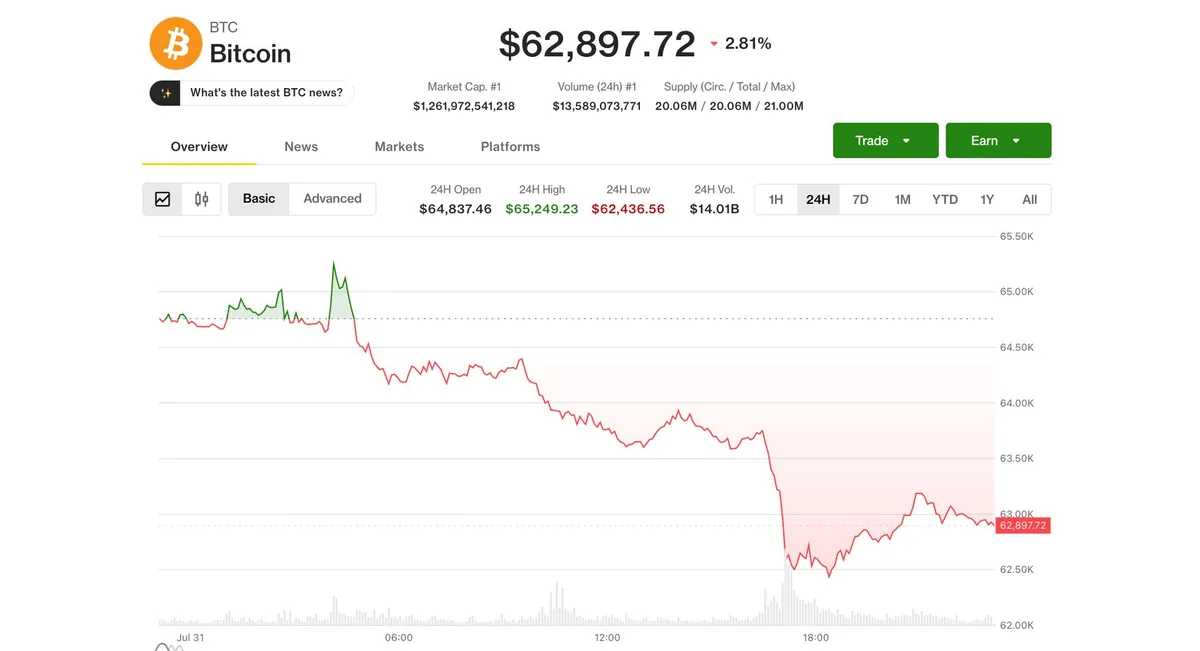
Bitcoin ended July with a monthly gain, though analysts expect August could be more volatile. They said the recent forced-selling pressure that weighed on the market appears to have already run its course.

Read
Two Weeks Left for Clarity in U.S. Crypto Policy Debate

Two Weeks Left for Clarity in U.S. Crypto Policy Debate

The latest State of Crypto update says the industry has two weeks left in the push for the Clarity effort. The development keeps attention on U.S. crypto policy as companies and market participants watch for regulatory direction.

Read
Sberbank plans crypto trading infrastructure launch by Dec. 1

Sberbank plans crypto trading infrastructure launch by Dec. 1

Russia’s biggest bank says it plans to create cryptocurrency trading infrastructure by Dec. 1, as the country moves toward setting rules for market participants. The development comes alongside plans to allow crypto assets to be used in foreign trade operations.

Read