
CoinDeskAug 02, 06:50 AM
Strategy Keeps STRC Dividend at 12%
Strategy said it is holding the dividend on its STRC preferred stock at 12%. The decision keeps the payout unchanged for investors in the company’s yield-focused security.
ReadFrance’s cybersecurity agency plans to stop certifying products that do not include quantum-resistant encryption from 2027. The policy points toward full adoption by 2030.

France’s cybersecurity agency plans to stop certifying products that do not include quantum-resistant encryption from 2027. The policy points toward full adoption by 2030.
For the broader crypto ecosystem, the announcement adds to ongoing discussions about long-term cryptographic security. Wallets, exchanges, custodians, and infrastructure providers all depend on encryption and certification standards, making regulatory signals around quantum resistance important to track.
France’s cybersecurity agency plans to block certification for products that lack quantum-resistant encryption beginning in 2027, according to source material from Cointelegraph. The move is part of a wider transition plan that targets full adoption of quantum-resistant encryption by 2030.
The development matters because certification can shape which security products are accepted by public agencies, companies, and other buyers that rely on official cybersecurity standards. For crypto and digital asset infrastructure, the shift highlights the growing focus on encryption systems that can remain resilient as quantum computing advances.
Quantum-resistant encryption refers to cryptographic methods designed to withstand potential future attacks from quantum computers. The source material does not state that current products have already been compromised, but it frames the French plan as a preparation for future security requirements.
The 2027 certification cutoff gives product makers a defined timeline to adapt if they want to remain eligible for approval under France’s cybersecurity framework. The 2030 target suggests a staged approach rather than an immediate mandate across all systems.
For the broader crypto ecosystem, the announcement adds to ongoing discussions about long-term cryptographic security. Wallets, exchanges, custodians, and infrastructure providers all depend on encryption and certification standards, making regulatory signals around quantum resistance important to track.
Keep exploring

Strategy said it is holding the dividend on its STRC preferred stock at 12%. The decision keeps the payout unchanged for investors in the company’s yield-focused security.
Read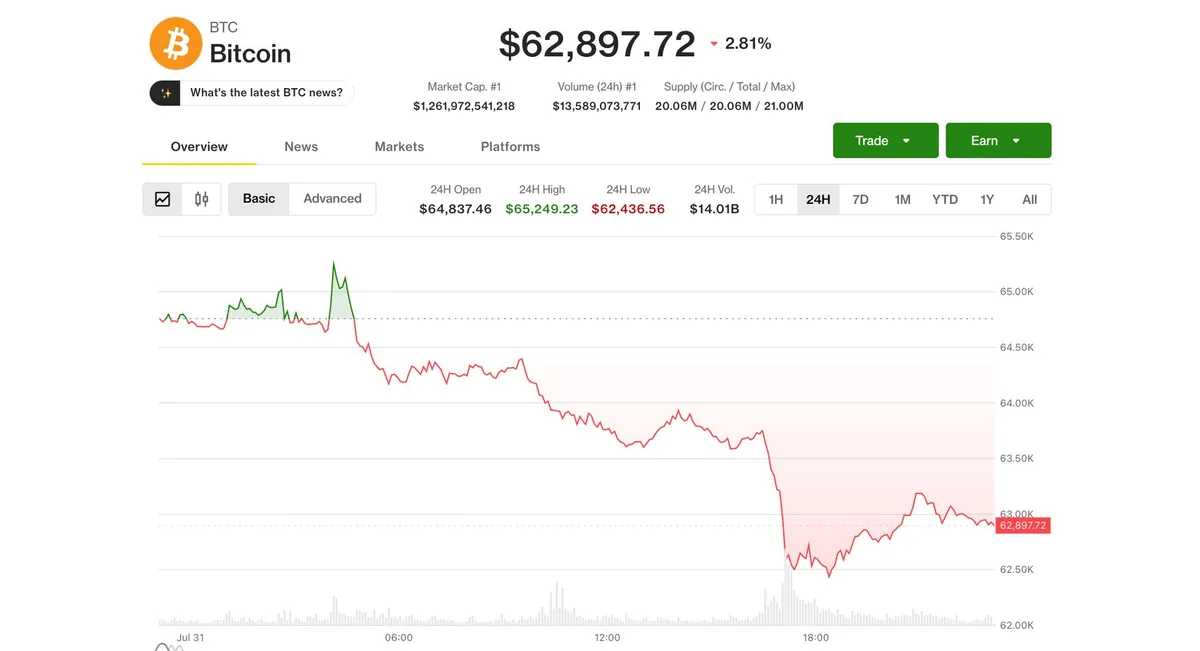
Bitcoin ended July with a monthly gain, though analysts expect August could be more volatile. They said the recent forced-selling pressure that weighed on the market appears to have already run its course.
Read
The latest State of Crypto update says the industry has two weeks left in the push for the Clarity effort. The development keeps attention on U.S. crypto policy as companies and market participants watch for regulatory direction.
Read