
CoinDeskAug 02, 06:50 AM
Strategy Keeps STRC Dividend at 12%
Strategy said it is holding the dividend on its STRC preferred stock at 12%. The decision keeps the payout unchanged for investors in the company’s yield-focused security.
ReadGrayscale and CoinShares are applying traditional finance valuation methods to crypto assets, including DeFi tokens such as AAVE. The approach reflects growing institutional interest in revenue-generating decentralized finance protocols.

Grayscale and CoinShares are applying traditional finance valuation methods to crypto assets, including DeFi tokens such as AAVE. The approach reflects growing institutional interest in revenue-generating decentralized finance protocols.
Grayscale has applied traditional finance-style valuation methods to AAVE, with the analysis pointing to a value of $175 for the token. CoinShares is also using similar techniques as digital asset firms look for ways to evaluate crypto assets through frameworks familiar to institutional investors.
Grayscale has applied traditional finance-style valuation methods to AAVE, with the analysis pointing to a value of $175 for the token. CoinShares is also using similar techniques as digital asset firms look for ways to evaluate crypto assets through frameworks familiar to institutional investors.
The development matters because it shows how parts of the crypto market are being assessed less as purely speculative assets and more through models connected to revenue generation. For readers following DeFi, the shift suggests that protocols with measurable economic activity are increasingly being viewed through the same analytical lens used in traditional markets.
AAVE is part of the decentralized finance sector, where protocols are designed to support financial activity without conventional intermediaries. The source material frames institutional interest around revenue-generating DeFi protocols, which makes valuation models a relevant point of focus for asset managers and market researchers.
Grayscale and CoinShares applying these methods does not make the valuation definitive, and it should not be read as investment advice. Rather, it highlights an attempt to translate DeFi activity into metrics that traditional finance participants can more easily compare and debate.
As institutional attention to crypto evolves, valuation work around tokens such as AAVE may become a more visible part of market analysis. The key question for the sector is whether traditional models can capture the distinct risks and mechanics of decentralized protocols while still offering useful context for investors and companies studying the space.
Keep exploring

Strategy said it is holding the dividend on its STRC preferred stock at 12%. The decision keeps the payout unchanged for investors in the company’s yield-focused security.
Read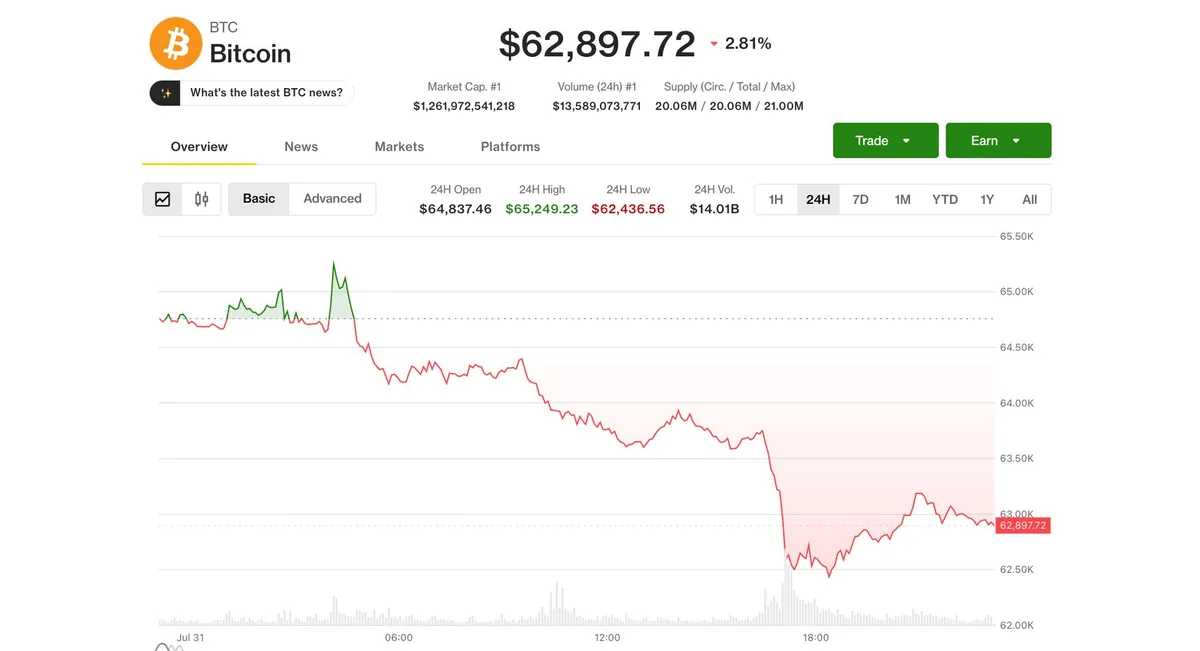
Bitcoin ended July with a monthly gain, though analysts expect August could be more volatile. They said the recent forced-selling pressure that weighed on the market appears to have already run its course.
Read
The latest State of Crypto update says the industry has two weeks left in the push for the Clarity effort. The development keeps attention on U.S. crypto policy as companies and market participants watch for regulatory direction.
Read