House Tax Panel Reviews Crypto Bills Targeting Small Transactions, Mining and Staking

The U.S. House Ways and Means Committee is circulating seven draft crypto tax bills ahead of a June 9 hearing. The proposals cover small transactions, stablecoin payments, mining and staking income, wash sale rules, and digital asset donations.

House Tax Panel Reviews Crypto Bills Targeting Small Transactions, Mining and Staking

What happened?

The U.S. House Ways and Means Committee is circulating seven draft crypto tax bills ahead of a June 9 hearing. The proposals cover small transactions, stablecoin payments, mining and staking income, wash sale rules, and digital asset donations.

Why it matters

Crypto policy groups welcomed the hearing as a sign that tax issues are moving higher on Washington’s agenda after market-structure legislation dominated the industry’s recent focus. Still, the effort is arriving late in the congressional session, meaning any tax changes may need to advance through the hearing process or potentially be attached to larger must-pass legislation later in the year.
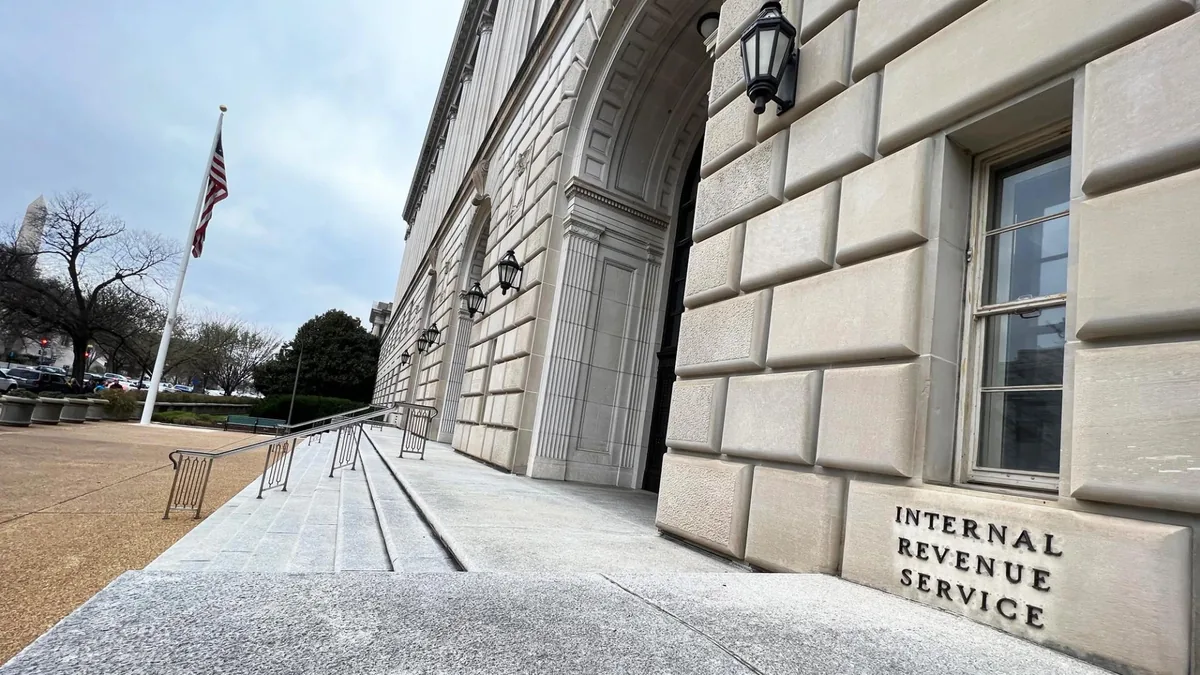
The U.S. House Ways and Means Committee is weighing seven draft bills that would revise how digital assets are treated under U.S. tax law. The proposals, circulated ahead of a June 9 committee hearing, include measures aimed at easing tax requirements for certain small crypto transactions and addressing the treatment of mining and staking rewards.

The package matters because tax reporting remains one of the crypto industry’s most persistent policy problems. If advanced, the bills could affect everyday crypto payments, companies building stablecoin services, miners, stakers, and taxpayers who currently face uncertainty over when gains or income should be reported.

According to the draft ideas described by CoinDesk, the committee is considering targeted changes rather than one broad tax bill. The proposals include relief for some “de minimis” transactions, stablecoin activity and network fees, rules for crypto mining proceeds, alignment of some digital assets with securities tax treatment, application of wash sale rules to crypto, and removal of an appraisal requirement for digital asset donations to charity.

One notable focus is mining and staking, where industry advocates have argued that current treatment can create a double-taxation problem by taxing assets when received and again when sold. One draft would let taxpayers choose whether to pay tax at receipt or at sale, according to the report.

Crypto policy groups welcomed the hearing as a sign that tax issues are moving higher on Washington’s agenda after market-structure legislation dominated the industry’s recent focus. Still, the effort is arriving late in the congressional session, meaning any tax changes may need to advance through the hearing process or potentially be attached to larger must-pass legislation later in the year.

Source: CoinDesk

Keep exploring

Related stories

Stocks Overtake Crypto on Hyperliquid as Real-World Assets Gain Ground

Stocks Overtake Crypto on Hyperliquid as Real-World Assets Gain Ground

For the first time, real-world assets such as stocks, commodities, and market indices surpassed crypto on Hyperliquid, the largest decentralized derivatives exchange. The shift highlights growing activity in tokenized and tradable exposure to traditional markets on-chain.

Read
Anthropic Says Claude Opus 5 Outperforms Fable 5 on Most Benchmarks at Lower Cost

Anthropic Says Claude Opus 5 Outperforms Fable 5 on Most Benchmarks at Lower Cost

Anthropic has introduced Claude Opus 5, its new everyday model, which it says beats its frontier product on most benchmarks while costing less to use. The release highlights continued competition around model performance and pricing in the AI market.

Read
Crypto Advocacy Groups Back CLARITY Act as US Market Structure Debate Tightens

Crypto Advocacy Groups Back CLARITY Act as US Market Structure Debate Tightens

Industry groups are urging US lawmakers to advance the CLARITY Act as the deadline for passing a comprehensive crypto market structure bill narrows ahead of the 2026 elections. The push comes as ethics-related rules continue to draw resistance.

Read