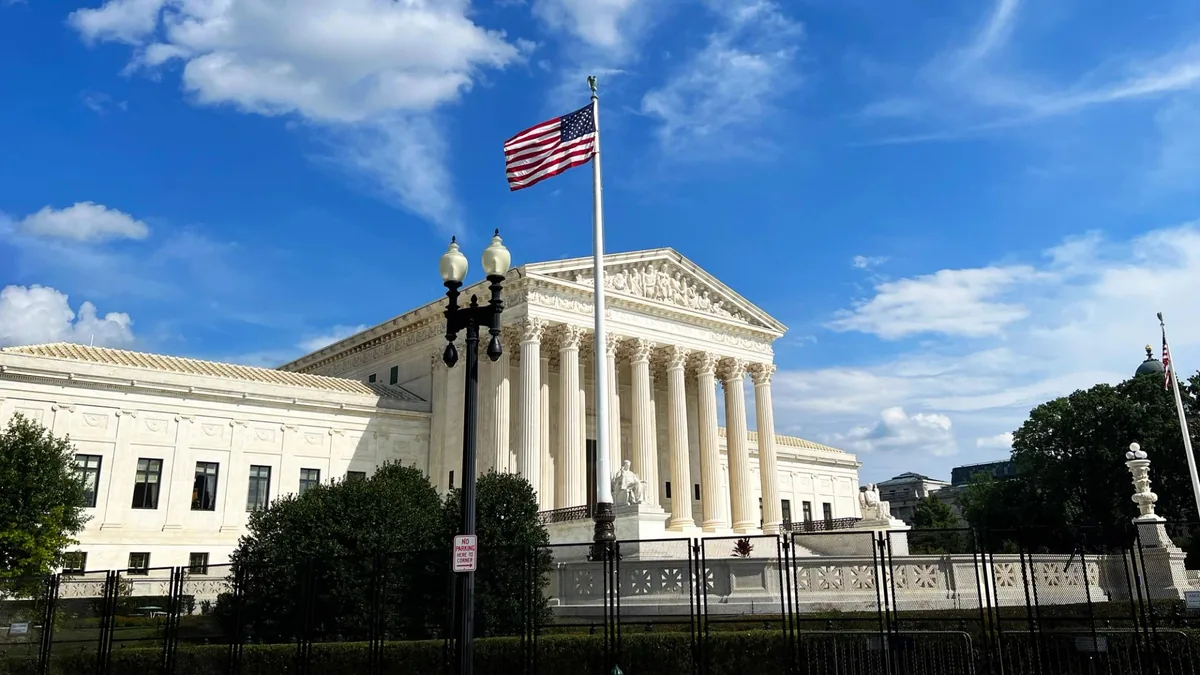
Kalshi and the broader prediction market sector are facing a mixed set of legal challenges across the United States, with disputes unfolding in different states and legal forums. The fights reflect continuing uncertainty over how event contracts should be regulated and who has authority over them.
The developments matter because prediction markets sit at the intersection of finance, gambling, and crypto-adjacent trading activity, making their legal status important for companies building these products and for users who trade on them. Ongoing litigation can affect where platforms operate, what kinds of markets they can list, and how quickly the sector can expand.
Kalshi has been one of the most visible companies in the space, and its legal battles have become a key test for the industry’s broader regulatory outlook. The mixed nature of the cases underscores that the sector is not facing a single unified ruling, but rather a fragmented set of disputes that could produce different outcomes in different jurisdictions.
For the crypto ecosystem, prediction markets are part of a wider trend of on-chain and market-based tools that blur the line between trading and forecasting. Any change in the legal treatment of these products could influence how similar platforms are designed, marketed, and supervised going forward.
For now, the sector remains in a holding pattern as courts and regulators continue to sort out the rules. That leaves companies, traders, and market observers watching for decisions that could shape the next stage of the industry.