Kraken Seeks European Banking License With Lithuania in Focus

Kraken is pursuing a full banking license in Europe, with Lithuania identified as the target jurisdiction, according to a person familiar with the plans cited by CoinDesk. The effort fits into a broader push by Kraken parent Payward to expand its regulated financial services footprint globally.

Kraken Seeks European Banking License With Lithuania in Focus

What happened?

Kraken is pursuing a full banking license in Europe, with Lithuania identified as the target jurisdiction, according to a person familiar with the plans cited by CoinDesk. The effort fits into a broader push by Kraken parent Payward to expand its regulated financial services footprint globally.

Why it matters

Kraken is seeking a full banking license in Europe, with Lithuania emerging as the jurisdiction in focus, according to a person familiar with the company’s plans cited by CoinDesk. The crypto exchange declined to comment, while the Bank of Lithuania said licensing processes for financial market participants are confidential.

Kraken is seeking a full banking license in Europe, with Lithuania emerging as the jurisdiction in focus, according to a person familiar with the company’s plans cited by CoinDesk. The crypto exchange declined to comment, while the Bank of Lithuania said licensing processes for financial market participants are confidential.

The move matters because a banking license could place Kraken deeper inside Europe’s regulated financial system. If approved, CoinDesk reported that Kraken would become the only crypto exchange with that designation, potentially widening the kinds of financial services it can offer under a traditional banking framework.

Kraken would be following a path already used by major fintech firms in Lithuania. Revolut obtained a specialized European banking license from the Bank of Lithuania in 2018, which allowed it to offer current accounts, consumer lending and stock trading across the European Economic Area.

Lithuania is already home to several fintech companies with banking or specialized bank licenses, including Mano Bank, PayRay, European Merchant Bank, AB Fjord Bank and Saldo Bank. That context helps explain why the country is closely watched by financial technology companies seeking a regulated base in Europe.

The European banking effort is part of a broader licensing strategy at Payward, Kraken’s parent company. CoinDesk reported that Kraken Financial became the first digital asset bank to gain access to the Federal Reserve’s payment infrastructure in March 2026, and that Payward secured authorization from Dubai’s VARA in May.

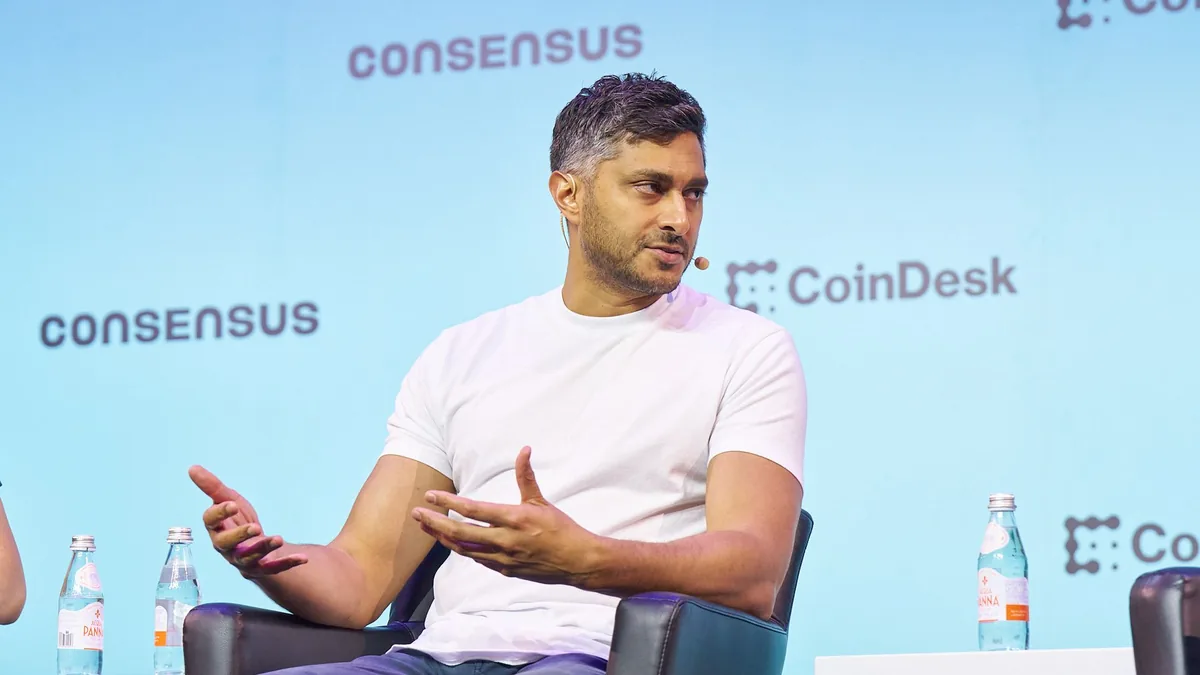
Kraken CEO Arjun Sethi recently said at Money 2020 Europe that the company’s plan over the next decade is to obtain licenses either by acquiring existing businesses or applying directly in each region. The European banking push suggests Kraken is looking beyond exchange services as crypto firms compete for more regulated roles in mainstream finance.
Source: CoinDesk

Keep exploring

Related stories

Radar Chat Pairs Encrypted Messaging With Bitcoin Payments

Radar Chat Pairs Encrypted Messaging With Bitcoin Payments

Radar Chat is aiming to make Bitcoin transfers feel as simple as sending a text message. The app is built on Signal’s open-source technology and supports self-custodial payments through the Lightning Network.

Read
Wintermute Says Bitcoin Move Looks Like a Relief Rally

Wintermute Says Bitcoin Move Looks Like a Relief Rally

Wintermute remains cautious after Bitcoin touched its highest price in weeks. The market maker framed the move as a likely relief rally rather than evidence of a deeper shift in market fundamentals.

Read
Kenya Regulator Seeks Blockchain Monitoring Tool for Crypto Crime Oversight

Kenya Regulator Seeks Blockchain Monitoring Tool for Crypto Crime Oversight

Kenya’s Capital Markets Authority is seeking a blockchain monitoring tool to track activity across more than 20 networks. The effort is aimed at detecting fraud, money laundering, and sanctions evasion under the country’s new crypto law.

Read