LEGO Removes Fake Crypto Token From Homepage After Reported Hack

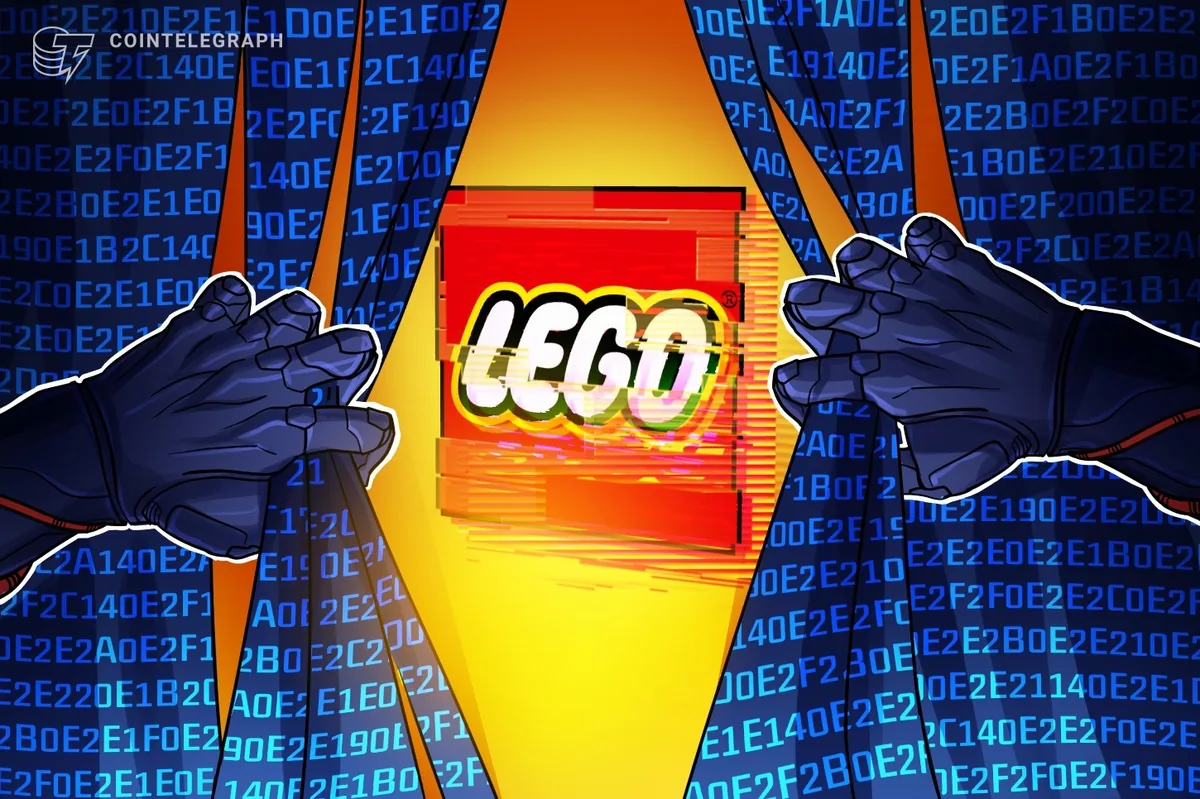
LEGO’s homepage reportedly displayed a fake “LEGO Coin” promotion for about 75 minutes before it was removed. The incident highlights how recognizable consumer brands can be used to give crypto scams a false sense of legitimacy.

LEGO Removes Fake Crypto Token From Homepage After Reported Hack

What happened?

LEGO’s homepage reportedly displayed a fake “LEGO Coin” promotion for about 75 minutes before it was removed. The incident highlights how recognizable consumer brands can be used to give crypto scams a false sense of legitimacy.

Why it matters

LEGO removed a fake crypto token promotion from its homepage after the toy manufacturer was reportedly hacked. According to onlookers cited in the source report, the “LEGO Coin” token appeared on the company’s website for roughly 75 minutes before being taken down.

LEGO removed a fake crypto token promotion from its homepage after the toy manufacturer was reportedly hacked. According to onlookers cited in the source report, the “LEGO Coin” token appeared on the company’s website for roughly 75 minutes before being taken down.

The episode matters because brand trust is often a key tool in online scams. A token promotion appearing on the homepage of a globally recognized company can make a fraudulent crypto pitch look more credible to casual visitors, especially when it is presented in a familiar consumer environment rather than on an obscure website.

The source report did not provide evidence that LEGO had launched an official cryptocurrency, nor did it include details about any token price, trading activity, or confirmed losses. Based on the reported timeline, the visible promotion was short-lived and was removed after it was noticed.

The incident also shows how crypto-related scams can target audiences beyond regular digital asset users. Entertainment, gaming, collectibles, and toy brands have all become part of the broader Web3 conversation, making them attractive references for impersonation attempts.

For readers, the practical takeaway is to treat unexpected token launches tied to major brands with caution unless they are confirmed through official company channels. In this case, the reported “LEGO Coin” promotion was removed from LEGO’s homepage rather than presented as a verified product launch.
Source: Cointelegraph Metaverse

Keep exploring

Related stories

Ready Player One Creators Launch Readyverse for Metaverse IP

Ready Player One Creators Launch Readyverse for Metaverse IP

Ready Player One author Ernest Cline and producer Dan Farah have co-founded Readyverse. The project is focused on developing a metaverse tied to Ready Player One and other intellectual properties.

Read
Immutable Winds Down NFT Marketplace to Support Ecosystem Platforms

Immutable Winds Down NFT Marketplace to Support Ecosystem Platforms

Immutable has shut down its NFT marketplace, saying the move is meant to let marketplaces within its own ecosystem grow. The development reflects a shift in focus from operating a central marketplace to supporting third-party venues tied to Web3 gaming and NFTs.

Read
Former BAYC Creative Director Jeff Nicholas Joins Meta’s Reality Labs

Former BAYC Creative Director Jeff Nicholas Joins Meta’s Reality Labs

Jeff Nicholas, formerly creative director for Bored Ape Yacht Club, has joined Meta’s Reality Labs. He will serve as an executive mixed reality producer focused on entertainment experiences.

Read