LMAX CEO Says Crypto Should Borrow the Best Parts of Centralization

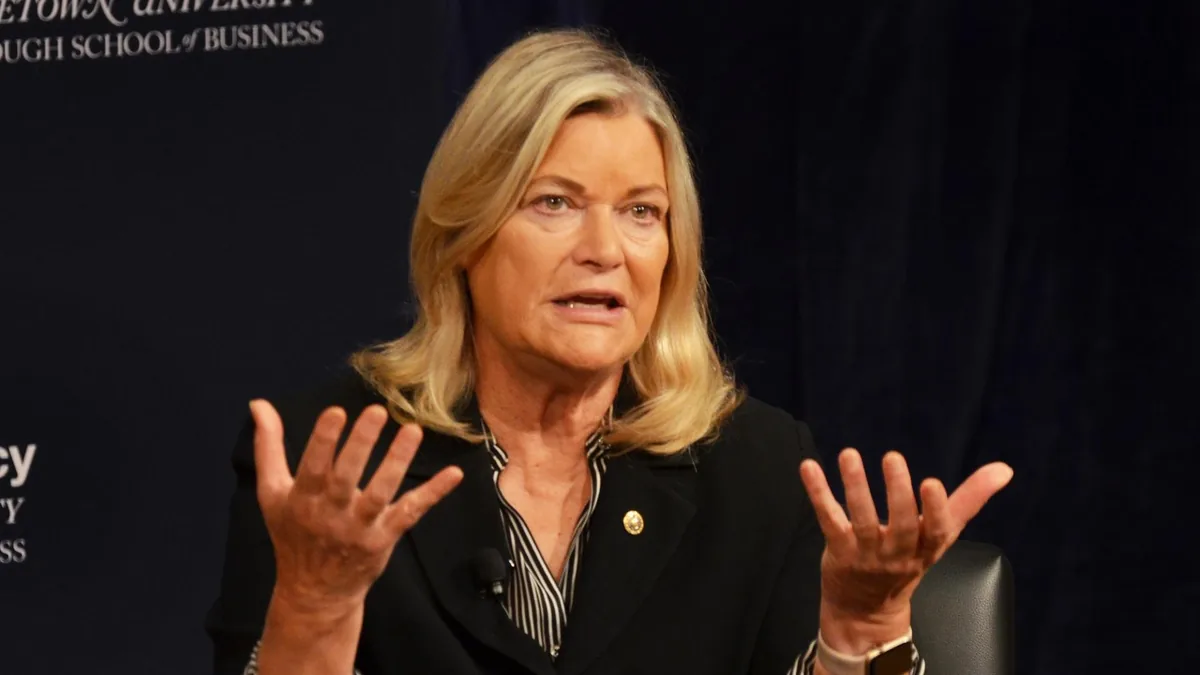
LMAX’s CEO said crypto should adopt the strongest features of centralized market structure, according to CoinDesk. The comments frame centralization not as an outright rival to crypto, but as a source of practices the industry may be able to use selectively.

LMAX CEO Says Crypto Should Borrow the Best Parts of Centralization

What happened?

LMAX’s CEO said crypto should adopt the strongest features of centralized market structure, according to CoinDesk. The comments frame centralization not as an outright rival to crypto, but as a source of practices the industry may be able to use selectively.

Why it matters

LMAX CEO David Mercer said crypto should adopt the best of centralization, according to a CoinDesk report published June 9, 2026. The remarks point to a continuing debate inside digital assets over how far crypto markets should move toward the standards and structures used in traditional financial venues.

LMAX CEO David Mercer said crypto should adopt the best of centralization, according to a CoinDesk report published June 9, 2026. The remarks point to a continuing debate inside digital assets over how far crypto markets should move toward the standards and structures used in traditional financial venues.

The issue matters because crypto has long been defined by decentralization, but market participants still face practical questions around reliability, liquidity, access and trust. Mercer’s view suggests that the industry does not have to treat centralized systems only as something to reject, and can instead evaluate which parts may improve how crypto markets function.

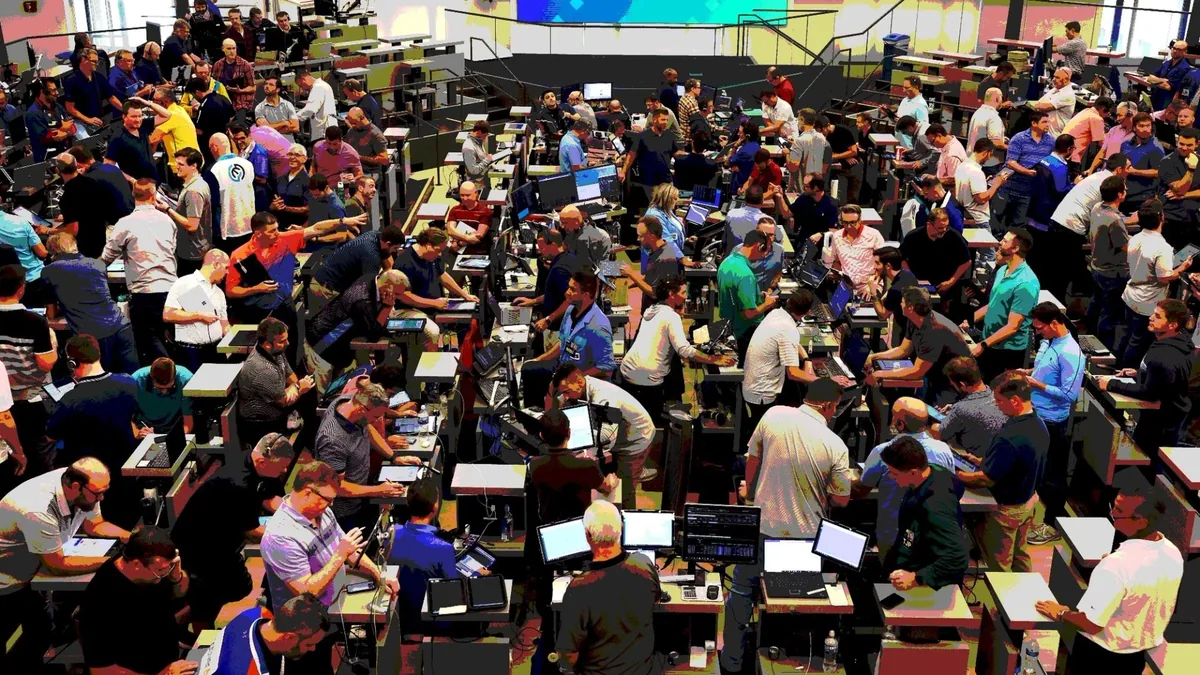
That framing is especially relevant for companies building trading infrastructure. Exchanges, brokers and institutional platforms operate in an environment where users often want the openness associated with crypto while also expecting dependable execution and professional market standards.

The comments do not amount to a rejection of crypto’s core ideas. Rather, they highlight a more pragmatic argument: crypto can preserve its distinctive features while learning from centralized models where those models have proven useful.

For readers, the takeaway is that the centralization-versus-decentralization debate remains active, but it is becoming less binary. As crypto matures, industry leaders are increasingly discussing hybrid approaches that combine digital-asset innovation with tested elements from established markets.

Source: CoinDesk

Keep exploring

Related stories

Two Weeks Left for Clarity in U.S. Crypto Policy Debate

Two Weeks Left for Clarity in U.S. Crypto Policy Debate

The latest State of Crypto update says the industry has two weeks left in the push for the Clarity effort. The development keeps attention on U.S. crypto policy as companies and market participants watch for regulatory direction.

Read
Sberbank plans crypto trading infrastructure launch by Dec. 1

Sberbank plans crypto trading infrastructure launch by Dec. 1

Russia’s biggest bank says it plans to create cryptocurrency trading infrastructure by Dec. 1, as the country moves toward setting rules for market participants. The development comes alongside plans to allow crypto assets to be used in foreign trade operations.

Read
Mira Murati’s Thinking Machines Debuts Inkling on OpenRouter

Mira Murati’s Thinking Machines Debuts Inkling on OpenRouter

Thinking Machines Lab has released Inkling, its first model after two years of silence, and it is now available on OpenRouter. The model’s MCP score appears strong, though its price-to-performance case is more complex.

Read