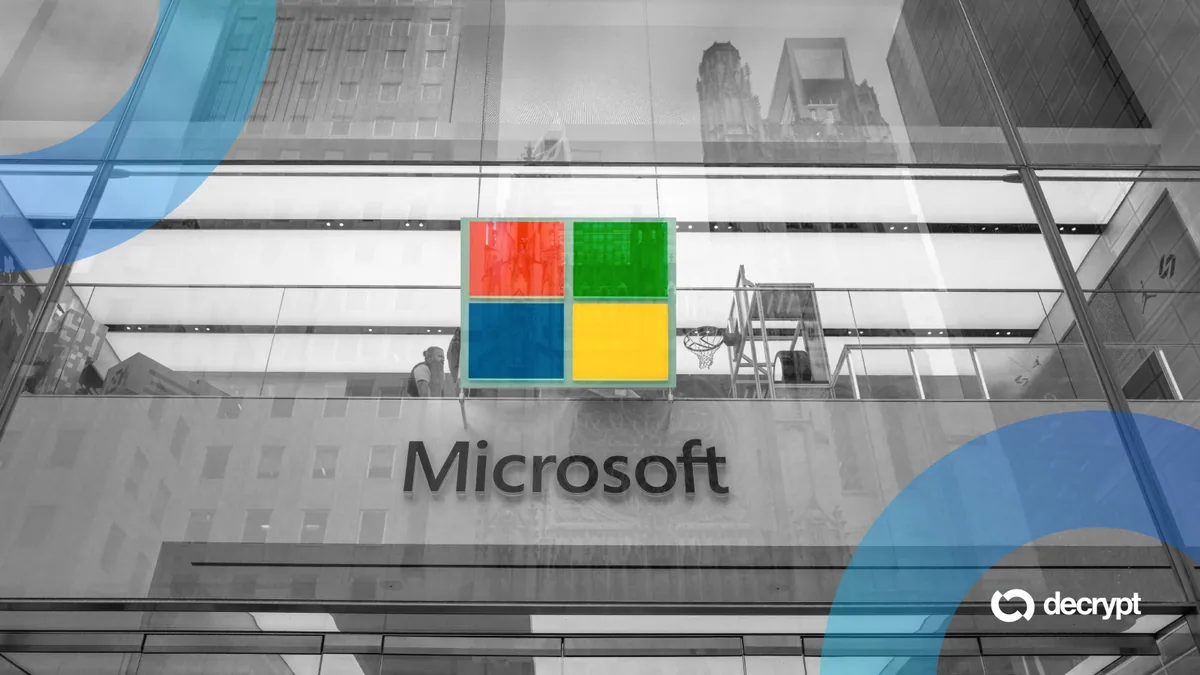
Microsoft President Brad Smith has urged new graduates to stop fearing artificial intelligence and start adapting to it, publishing a 3,000-word essay that responded with empathy to students who have booed AI references at commencement ceremonies. Smith framed the reaction as understandable anxiety from a generation entering a labor market being reshaped by automation and AI tools.
The message matters because Microsoft is one of the companies most aggressively building AI into workplace software, cloud services, and developer tools. For graduates, workers, and companies, Smith's essay reflects a broader shift: AI is no longer a distant technology debate, but a force already affecting hiring plans, job design, and expectations for professional skills.
According to the source material, the essay arrived in the same week that Microsoft's chief financial officer confirmed the company's headcount will keep shrinking. That context gives Smith's appeal a sharper edge, as the call to adapt is being made while one of the world's largest technology firms continues to reduce staff.
Smith did not dismiss the concerns behind the backlash. Instead, he urged empathy for students confronting an uncertain career landscape and argued that learning to work with AI will be more useful than rejecting it outright.
For crypto and tech readers, the episode underscores how quickly major platform shifts can move from innovation narrative to workforce reality. As with blockchain cycles, the companies that build the infrastructure often shape both market opportunity and labor disruption, leaving users, developers, and employees to adjust in real time.