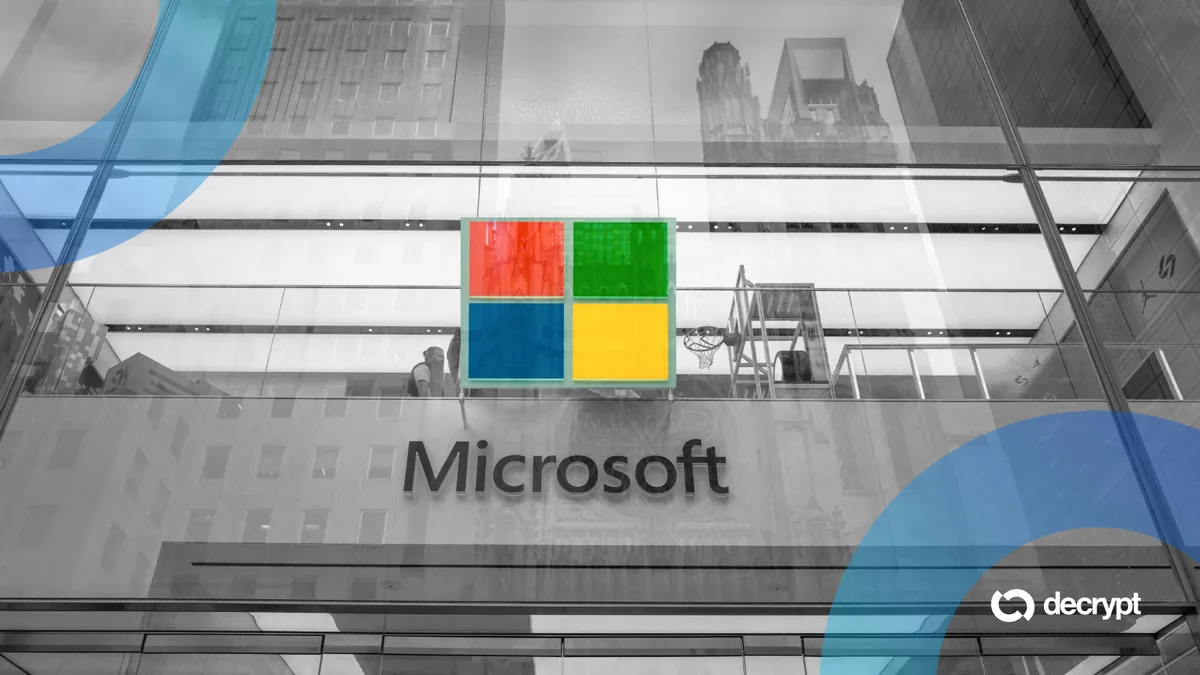
Microsoft unveiled seven in-house artificial intelligence models, saying its latest systems include flagship reasoning and image models that outperform rival offerings from Anthropic, OpenAI, and Google.
The announcement matters because it points to Microsoft’s effort to deepen its own AI capabilities rather than relying only on outside partners. For companies, developers, and investors watching the AI market, the claims add another major competitive front among the firms building foundation models and AI tools.
According to the source material, Microsoft positioned the new models as part of a broader internal AI push. The company specifically claimed performance advantages against Anthropic’s Claude, OpenAI models, and Google’s image model known as Nano Banana.
The claims are notable, but they remain Microsoft’s stated comparisons based on its own unveiling. The source material does not provide independent benchmark verification, pricing details, release dates, or broader deployment terms.
For crypto readers, the news is relevant mainly as part of the wider technology landscape shaping digital platforms, developer tools, and automated content systems. As AI competition intensifies, major technology companies are racing to control more of the infrastructure behind the next generation of software products.