Polymarket is trying to reintroduce itself to the U.S. market after a four-year absence, according to a report carried by CoinDesk. The prediction market platform is pitching its planned U.S. operation as a more disciplined version of the offshore exchange that previously drew regulatory and reputational scrutiny.
The effort matters because prediction markets are becoming a larger part of the crypto and online trading conversation, especially around elections, sports and major public events. For Polymarket, winning back U.S. users also means persuading regulators, policymakers and potential customers that its domestic product can operate with stronger oversight than its international platform.
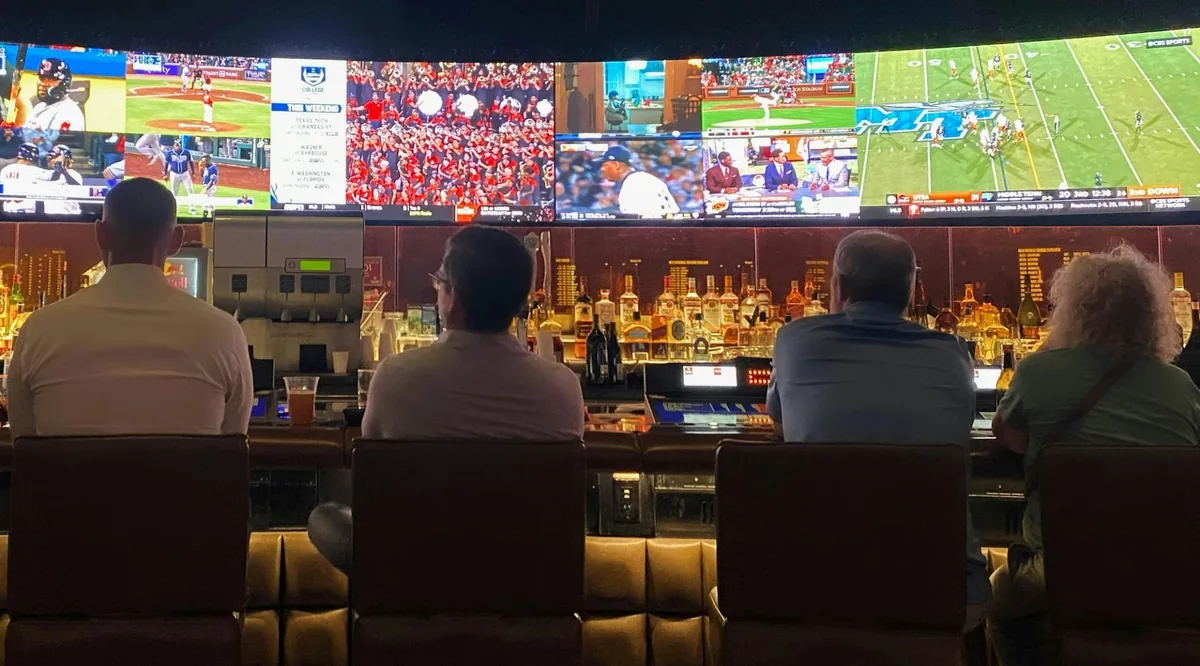
The report said Polymarket has been investing in visibility through social media creators, sports partnerships, Major League Baseball and media relationships with outlets including CNBC and CNN. Its message is that real-time markets can offer a useful signal about future events, though the company is also working against concerns about how such markets are promoted and monitored.
Polymarket’s U.S. return follows its acquisition of QCEX, which brought a regulatory license into the company’s structure, the report said. The domestic version is being positioned as centralized, dollar-based and overseen under the CFTC framework, in contrast with the crypto-based international platform.
The company is also adding compliance and trust credentials, with hires from institutions including Coinbase, Robinhood, the Department of Justice and the FBI. Still, the report noted that Polymarket faces lingering reputational issues tied to its global operations and scrutiny of promotional tactics, including concerns about misleading marketing content.
Polymarket is entering a competitive market led by rivals such as Kalshi, while investor and political interest in prediction markets continues to rise. Its U.S. strategy now depends not only on user growth, but on whether it can convince the market that its new domestic operation is meaningfully different from the platform Americans were previously barred from using.