
CoinDeskAug 02, 06:50 AM
Strategy Keeps STRC Dividend at 12%
Strategy said it is holding the dividend on its STRC preferred stock at 12%. The decision keeps the payout unchanged for investors in the company’s yield-focused security.
ReadA new American Psychological Association survey found that more than a third of psychologists have patients using AI as an additional mental health resource. Clinicians also warned that AI tools can reinforce delusions, underscoring the risks of using chatbots in sensitive mental health contexts.

A new American Psychological Association survey found that more than a third of psychologists have patients using AI as an additional mental health resource. Clinicians also warned that AI tools can reinforce delusions, underscoring the risks of using chatbots in sensitive mental health contexts.
The development matters because consumer AI tools are increasingly being used in areas where accuracy, context, and professional judgment carry high stakes. For readers tracking the broader AI market, the survey highlights a tension facing companies building general-purpose assistants: users may apply these systems to sensitive health questions even when the tools are not a substitute for clinical care.
A new American Psychological Association survey found that more than a third of psychologists have patients who are using AI as an additional mental health professional, according to Decrypt. The finding points to a growing overlap between chatbot use and formal therapy, as patients bring AI-generated input into sessions with licensed clinicians.
The development matters because consumer AI tools are increasingly being used in areas where accuracy, context, and professional judgment carry high stakes. For readers tracking the broader AI market, the survey highlights a tension facing companies building general-purpose assistants: users may apply these systems to sensitive health questions even when the tools are not a substitute for clinical care.
Psychologists cited in the report warned that AI can reinforce delusions, a risk that becomes especially serious when users treat chatbot responses as therapeutic validation. The concern is not simply that AI may be wrong, but that it may respond in ways that deepen a patient’s existing beliefs rather than challenge them appropriately.
The survey adds to the broader debate over how AI should be used in mental health settings. While patients may see chatbots as accessible or convenient, clinicians are signaling that their role in therapy needs careful boundaries, particularly when vulnerable users rely on them as another authority in the room.
For now, the reported APA findings suggest that AI is already part of many therapy conversations, whether or not mental health systems have formal rules for handling it. That leaves clinicians, patients, and technology companies navigating a fast-moving shift with clear potential benefits but also serious clinical risks.
Keep exploring

Strategy said it is holding the dividend on its STRC preferred stock at 12%. The decision keeps the payout unchanged for investors in the company’s yield-focused security.
Read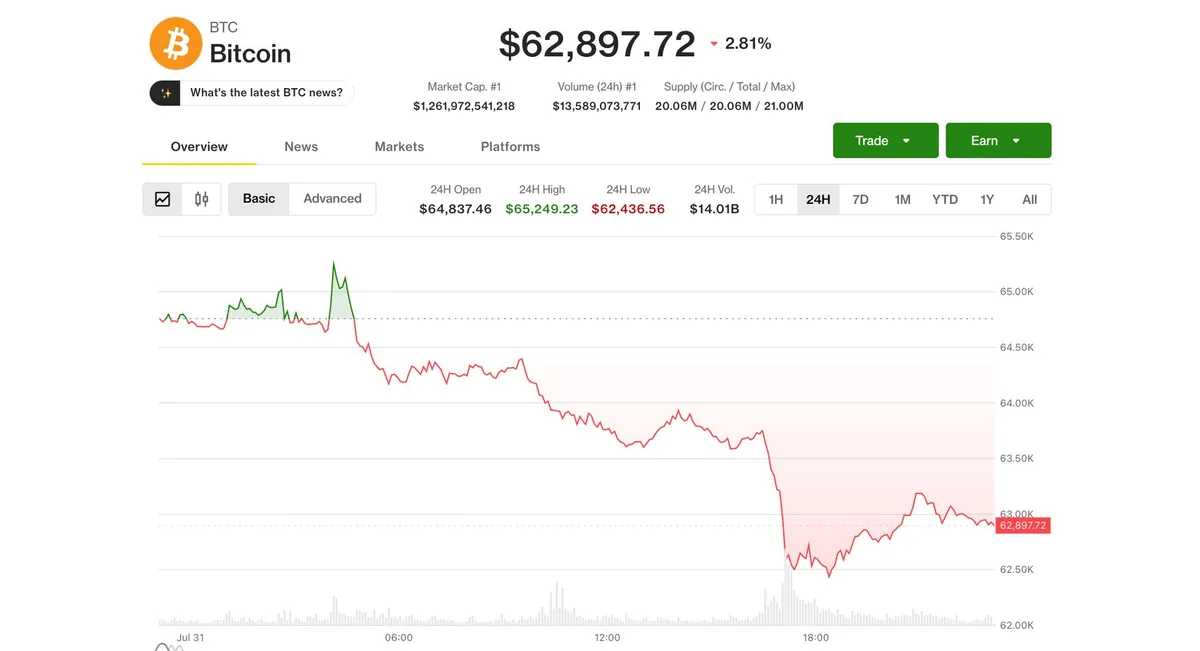
Bitcoin ended July with a monthly gain, though analysts expect August could be more volatile. They said the recent forced-selling pressure that weighed on the market appears to have already run its course.
Read
The latest State of Crypto update says the industry has two weeks left in the push for the Clarity effort. The development keeps attention on U.S. crypto policy as companies and market participants watch for regulatory direction.
Read