Samsung’s Stablecoin Push Could Turn Galaxy Phones Into Crypto Payment Hubs

Samsung plans to add native stablecoin features to 800 million new Galaxy smartphones through Samsung Wallet. Analysts told CoinDesk the move could make the company a major distributor of tokens such as USDC by putting digital asset payments directly inside a widely used mobile wallet.

Samsung’s Stablecoin Push Could Turn Galaxy Phones Into Crypto Payment Hubs

What happened?

Samsung plans to add native stablecoin features to 800 million new Galaxy smartphones through Samsung Wallet. Analysts told CoinDesk the move could make the company a major distributor of tokens such as USDC by putting digital asset payments directly inside a widely used mobile wallet.

Why it matters

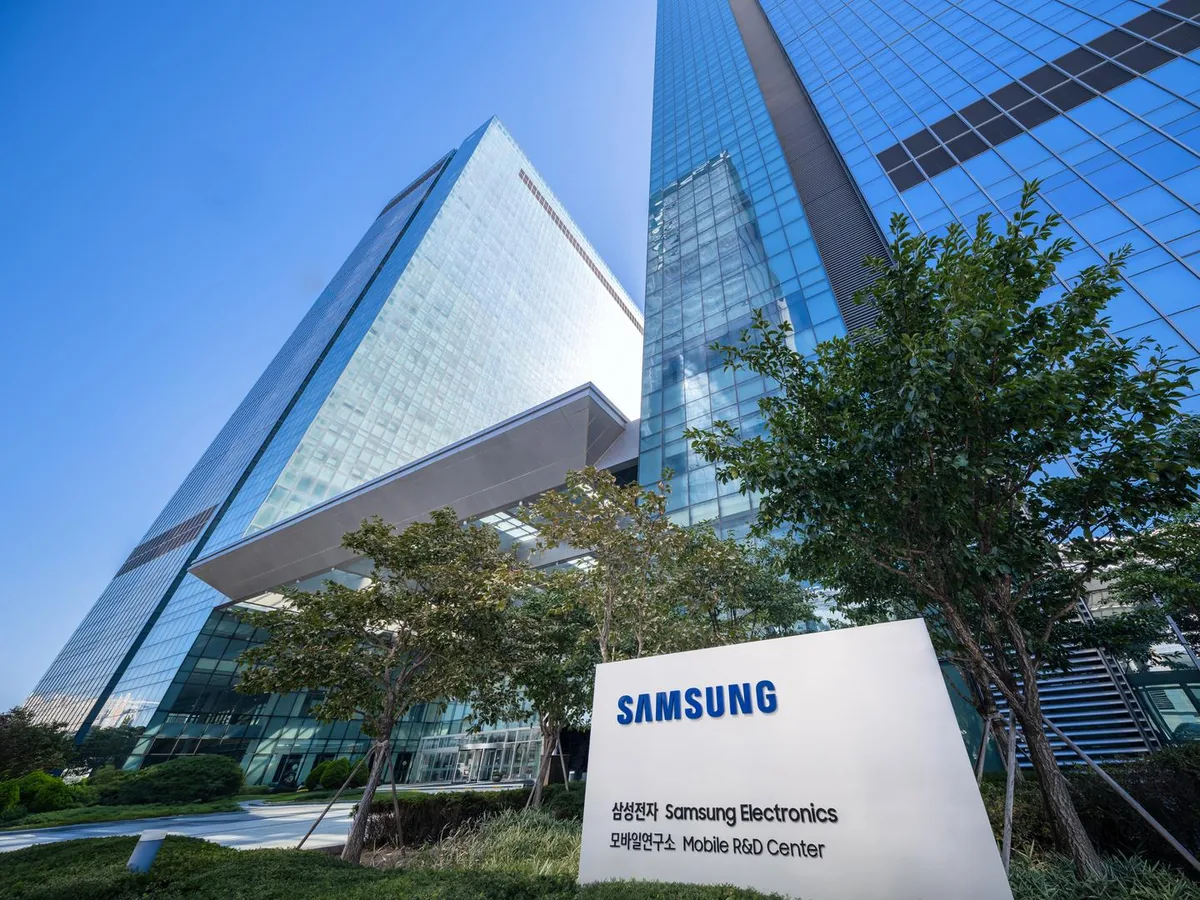
Samsung is preparing to add stablecoin support to 800 million new Galaxy smartphones, a move analysts told CoinDesk could make the company a dominant distributor of fiat-pegged digital tokens such as USDC. The features are set to be built into Samsung Wallet and include fiat-pegged savings and payment accounts, according to details shared around the company’s Galaxy Unpacked 2026 event.

Samsung is preparing to add stablecoin support to 800 million new Galaxy smartphones, a move analysts told CoinDesk could make the company a dominant distributor of fiat-pegged digital tokens such as USDC. The features are set to be built into Samsung Wallet and include fiat-pegged savings and payment accounts, according to details shared around the company’s Galaxy Unpacked 2026 event.

The development matters because distribution has been one of crypto’s persistent bottlenecks. Instead of requiring users to open a separate exchange or crypto app, Samsung could place stablecoin access inside a wallet already used for cards and checkout. Samsung Wallet has nearly 19 million users in South Korea and is available in 61 countries, giving the company a large existing base for any rollout.

Samsung has been active in crypto for years. In 2019, it introduced a digital asset wallet through Knox, its hardware-isolated security vault, allowing users to store and manage assets including bitcoin, ether and tron. The current stablecoin plan expands that earlier wallet work into payments and digital value transfer.

The strategy also appears tied to infrastructure. Samsung SDS CEO Lee Jun-hee said during the company’s Q2 earnings call that Samsung’s stake in Dunamu, the operator of South Korea’s Upbit exchange, is a strategic investment aimed at digital asset infrastructure, including stablecoins and AI-powered payments. Three Samsung affiliates agreed in May to acquire a 4% stake in Dunamu for $408 million.

Regulatory context remains important. South Korea unveiled a draft Digital Asset Basic Act in April that would establish a framework for digital assets, including trading, custody, supervision and stablecoin issuance, but CoinDesk reported that there is no approval deadline or implementation date. Analysts cited by CoinDesk said Samsung’s positioning could support both dollar- and won-denominated stablecoins as the country’s rules develop.

Source: CoinDesk

Keep exploring

Related stories

Galaxy Says at Least 15 Attackers Exploited Coldcard Vulnerability

Galaxy Says at Least 15 Attackers Exploited Coldcard Vulnerability

Galaxy said at least 15 different attackers exploited a Coldcard vulnerability. Dragonfly’s managing partner said the issue may have been avoidable with roughly $2 worth of AI hardening.

Read
Bitcoin’s $63,000 Area Becomes a Key Test for Buyers, Glassnode Data Shows

Bitcoin’s $63,000 Area Becomes a Key Test for Buyers, Glassnode Data Shows

Glassnode data cited by CoinDesk shows a large cluster of bitcoin supply concentrated near $63,000, making the level an important market battleground. Retail investors and large whales are both accumulating while bitcoin trades close to its 200-week moving average.

Read
Wells Fargo Plans Tokenized Deposits for Corporate Payments

Wells Fargo Plans Tokenized Deposits for Corporate Payments

Wells Fargo plans to launch tokenized deposits for select corporate and commercial clients later this year, beginning with U.S. dollar-to-British pound transactions. The move puts the bank alongside JPMorgan and Citi in the push to modernize institutional payment and settlement rails with blockchain-based bank money.

Read