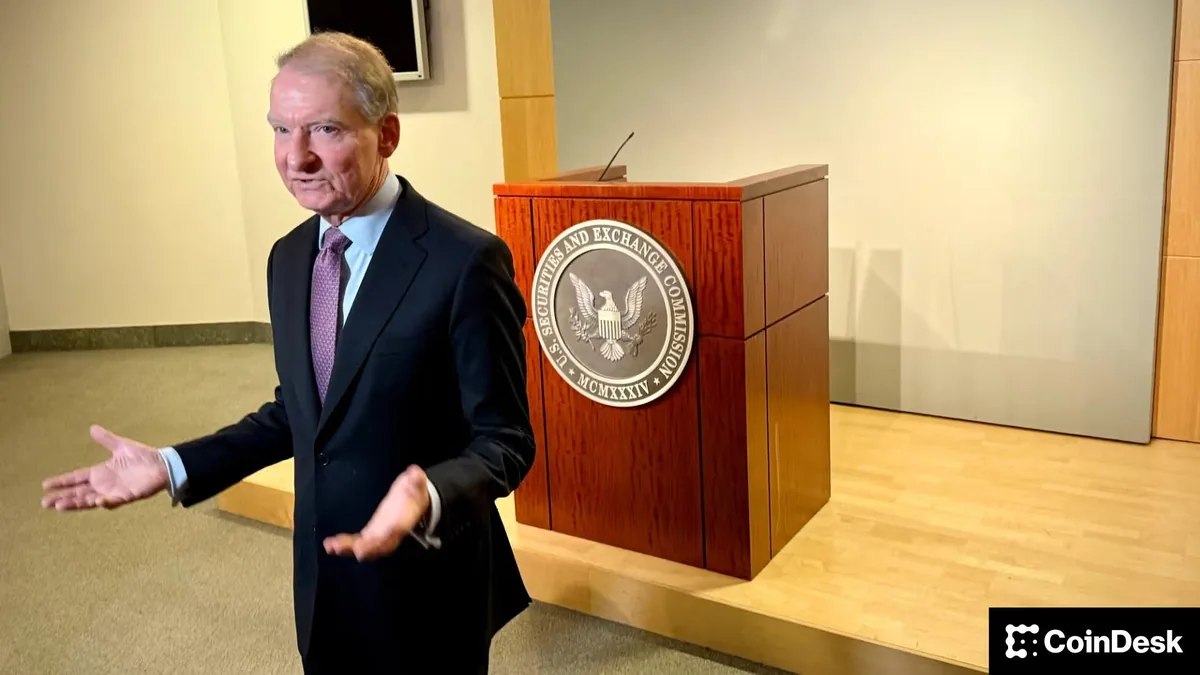
The U.S. Securities and Exchange Commission is taking a major step aimed at clearing a path for tokenization, according to CoinDesk. The report says the effort is not expected to have the same resilience as a full agency rule, suggesting the move may be meaningful but potentially less durable than formal rulemaking.
That distinction matters for crypto markets and financial companies because tokenization depends heavily on regulatory clarity. If the SEC provides a pathway that falls short of a full rule, companies may gain some guidance while still facing uncertainty over how stable that framework will be over time.
Tokenization generally refers to representing assets on blockchain-based systems. For the crypto ecosystem, clearer treatment from regulators could influence product design, compliance planning and institutional participation, particularly for firms trying to connect traditional assets with blockchain infrastructure.
The key issue highlighted by the CoinDesk report is durability. A full rule typically carries a different procedural weight than other regulatory actions, so a less formal approach may be more exposed to future changes, legal challenges or shifts in agency leadership.
For readers, the takeaway is cautious: the SEC’s move appears to signal interest in opening more room for tokenization, but the form of that action may limit how much certainty it provides. The impact will depend on the details of the SEC’s approach and how market participants respond once those details are available.