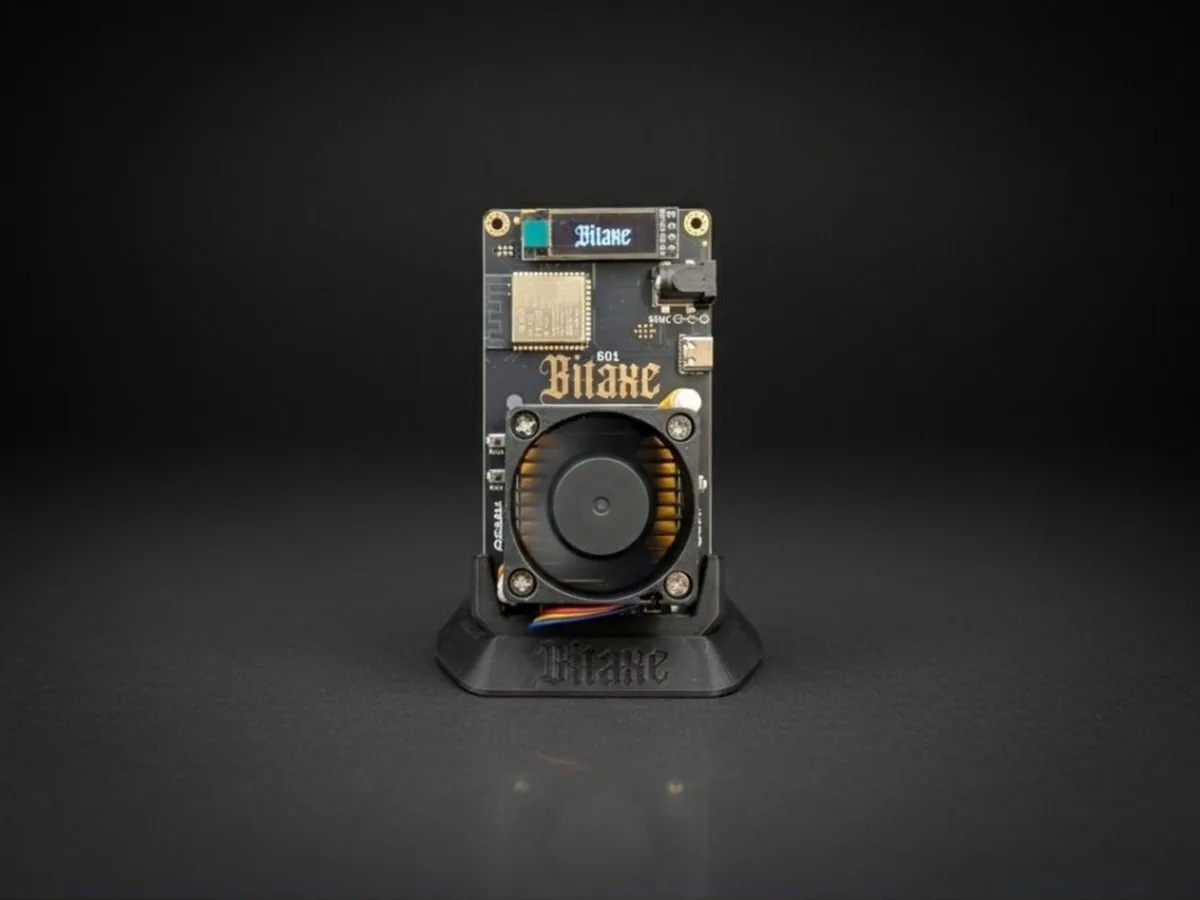
A solo bitcoin miner reportedly solved a Bitcoin block using about $150 worth of equipment and earned a reward valued at roughly $200,000. The win stands out because it came from a small-scale setup rather than a large mining operation.
The result matters because it shows that, even in a network dominated by industrial mining firms and large data-center operations, individual miners can still occasionally land a full block reward. For readers, it underscores how Bitcoin’s mining system remains open to participants outside the biggest companies, even if the odds are long.
Solo mining means a miner works independently rather than joining a pool with other participants. In practice, that makes block rewards far less frequent, but when they do happen, the payout goes entirely to the miner who finds the block.
Stories like this also tend to draw attention to the role of low-cost hardware and the continuing appeal of Bitcoin mining as a hobby or experimental activity. At the same time, they do not change the broader reality that most Bitcoin mining revenue is concentrated among larger operators with significant scale.