Stables Targets AI-Agent Payments in Asia’s Cross-Border Trade Market

Singapore-based Stables is introducing AI-native payment middleware designed to let software agents route stablecoin transactions across Asia’s fragmented trade infrastructure. The company says the opportunity is shifting from retail crypto activity toward machine-to-machine payments for businesses and fintechs.

Stables Targets AI-Agent Payments in Asia’s Cross-Border Trade Market

What happened?

Singapore-based Stables is introducing AI-native payment middleware designed to let software agents route stablecoin transactions across Asia’s fragmented trade infrastructure. The company says the opportunity is shifting from retail crypto activity toward machine-to-machine payments for businesses and fintechs.

Why it matters

Singapore-based startup Stables is rolling out a universal AI payment plug aimed at Asia’s cross-border trade market, according to CoinDesk. The company is building middleware that would allow autonomous software systems to route stablecoin payments, handle foreign exchange checks and settle transactions without the manual steps common in legacy banking infrastructure.

Singapore-based startup Stables is rolling out a universal AI payment plug aimed at Asia’s cross-border trade market, according to CoinDesk. The company is building middleware that would allow autonomous software systems to route stablecoin payments, handle foreign exchange checks and settle transactions without the manual steps common in legacy banking infrastructure.

The development matters because Stables is targeting a region that CoinDesk describes as both central to stablecoin payment flows and highly fragmented. The article says roughly 60% of global stablecoin payments move through Asian corridors, while business-to-business e-commerce across Asia-Pacific is projected to exceed $28.9 trillion this year, based on U.S. International Trade Administration data cited by CoinDesk.

Stables CEO and co-founder Bernardo Bilotta argues that the next major growth area for crypto payments is not retail trading, but infrastructure for businesses, fintechs and AI systems moving money on behalf of users. In his view, commerce will increasingly be routed through AI agents, creating demand for payment rails designed for software rather than only for people.

A key challenge is compliance. CoinDesk reports that current banking rules, identity checks and payment protocols were built around human users, making it difficult for an autonomous AI agent to complete a standard payment loop without human intervention. Stables’ proposed answer is to embed an Anthropic-standard Model Context Protocol server into payment infrastructure so software agents can interact with compliance, FX and settlement systems programmatically.

The push comes as larger financial firms have been buying or building fiat-to-crypto infrastructure for corporate treasury and payments use cases. Stables is positioning its product around the less developed machine-to-machine segment, where stablecoins could serve as settlement rails for automated commercial activity rather than speculative retail flows.


Source: CoinDesk

Keep exploring

Related stories

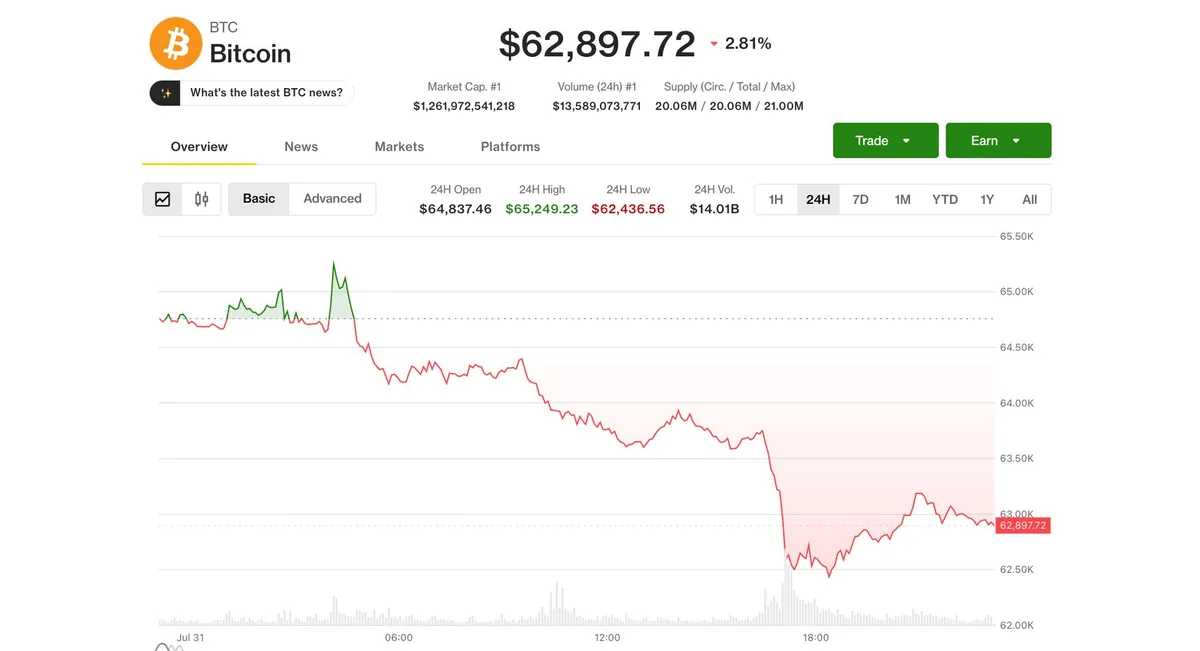
Bitcoin Keeps July Gain as Analysts Warn of a Choppy August Ahead

Bitcoin Keeps July Gain as Analysts Warn of a Choppy August Ahead

Bitcoin ended July with a monthly gain, though analysts expect August could be more volatile. They said the recent forced-selling pressure that weighed on the market appears to have already run its course.

Read
Two Weeks Left for Clarity in U.S. Crypto Policy Debate

Two Weeks Left for Clarity in U.S. Crypto Policy Debate

The latest State of Crypto update says the industry has two weeks left in the push for the Clarity effort. The development keeps attention on U.S. crypto policy as companies and market participants watch for regulatory direction.

Read
Sberbank plans crypto trading infrastructure launch by Dec. 1

Sberbank plans crypto trading infrastructure launch by Dec. 1

Russia’s biggest bank says it plans to create cryptocurrency trading infrastructure by Dec. 1, as the country moves toward setting rules for market participants. The development comes alongside plans to allow crypto assets to be used in foreign trade operations.

Read