DecryptJul 08, 01:34 AM
Tether Invests $20 Million in Brazil’s Mercado Bitcoin
Tether has invested $20 million in Brazilian crypto exchange Mercado Bitcoin. The funding is intended to support the exchange’s expansion across Latin America.
ReadA University of Manchester researcher says universities should look beyond AI cheating concerns and prepare students for workplaces increasingly shaped by automation. The warning frames AI literacy as a graduate readiness issue, not only an academic integrity problem.
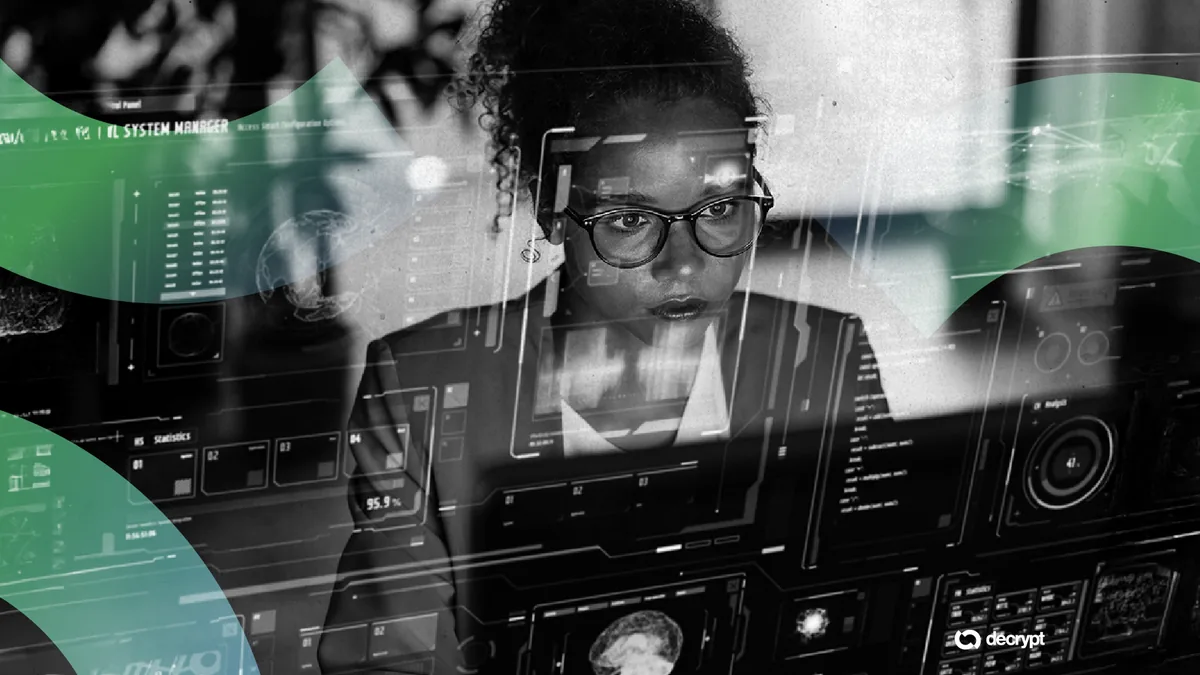
A University of Manchester researcher says universities should look beyond AI cheating concerns and prepare students for workplaces increasingly shaped by automation. The warning frames AI literacy as a graduate readiness issue, not only an academic integrity problem.
The warning also points to a wider skills gap. Employers across technology-driven sectors, including crypto and digital finance, are likely to value workers who can use AI systems responsibly, understand their limits, and adapt as workflows change. The source does not make market predictions, but it frames AI readiness as a growing workplace requirement.
A University of Manchester researcher has warned that universities are not keeping pace with the way artificial intelligence is changing the workplace. According to the study cited by Decrypt, schools should broaden their response beyond concerns about students using AI to cheat and focus more directly on preparing graduates for jobs shaped by automation.
The issue matters because AI is already becoming part of how work is organized, evaluated, and performed. If universities treat the technology mainly as a classroom misconduct risk, students may leave without the practical understanding needed to operate in companies where automated tools are increasingly common.
The warning also points to a wider skills gap. Employers across technology-driven sectors, including crypto and digital finance, are likely to value workers who can use AI systems responsibly, understand their limits, and adapt as workflows change. The source does not make market predictions, but it frames AI readiness as a growing workplace requirement.
For universities, the challenge is balancing academic standards with career preparation. Concerns about plagiarism and assessment remain relevant, but the researcher argues that institutions also need to help students understand how automation is reshaping professional expectations.
The study adds to a broader debate over how education systems should respond to fast-moving AI tools. Its central message is that universities risk preparing students for an older version of the workplace unless AI literacy becomes part of graduate training.
Keep exploring
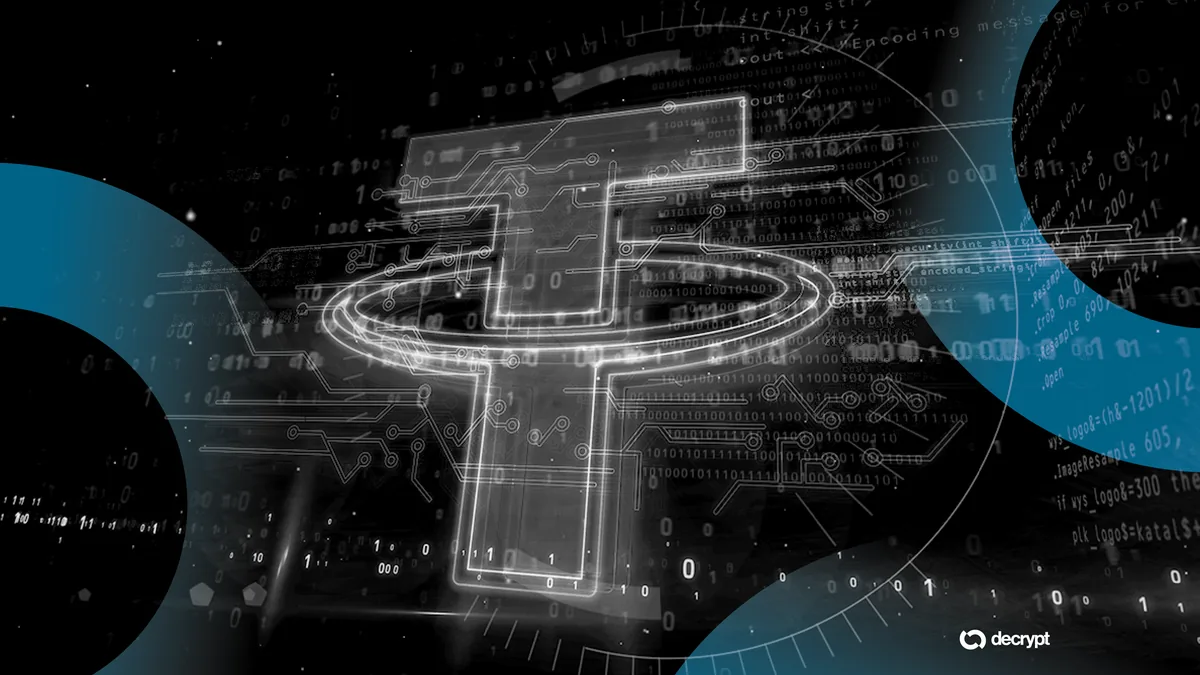
Tether has invested $20 million in Brazilian crypto exchange Mercado Bitcoin. The funding is intended to support the exchange’s expansion across Latin America.
Read
The SEC has placed several crypto-related rule changes on its 2026 agenda. The items include potential updates involving crypto broker-dealers, digital assets on national securities exchanges and possible safe harbor frameworks.
Read
The SEC has updated its agenda to show that a crypto safe harbor rulemaking is expected to be released for public comment in July. The move points to a potential next step in the agency’s long-running effort to clarify how crypto projects may be treated under securities rules.
Read