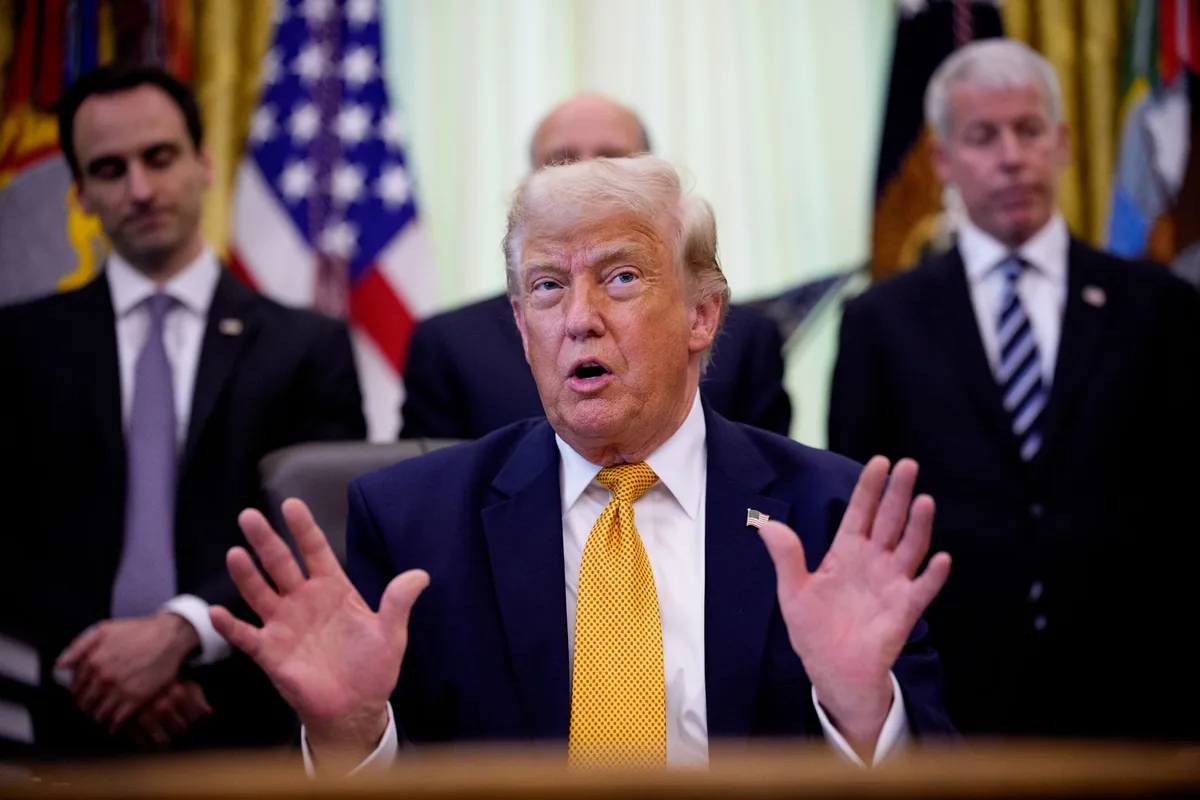
President Donald Trump refused to sign a bipartisan housing affordability bill that includes a four-year ban on a U.S. central bank digital currency, canceling a planned signing ceremony on Wednesday. According to CoinDesk, Trump said the event would remain canceled until Congress passes the SAVE America Act, an elections bill focused on proof-of-citizenship and voter identification requirements.
The delay matters for crypto because the housing bill carried a CBDC prohibition that digital-dollar critics in the industry had welcomed. While the U.S. was not considered close to issuing a Federal Reserve-backed digital dollar, the proposed ban would have extended through the end of 2030 and aligned with a broader anti-CBDC position Trump has previously taken.
The standoff may also affect the Digital Asset Market Clarity Act, one of the crypto industry’s main policy priorities in Washington. CoinDesk reported that the Senate has only about five weeks left before Congress’ summer break, leaving limited time to resolve remaining issues and bring the market structure bill to a vote.
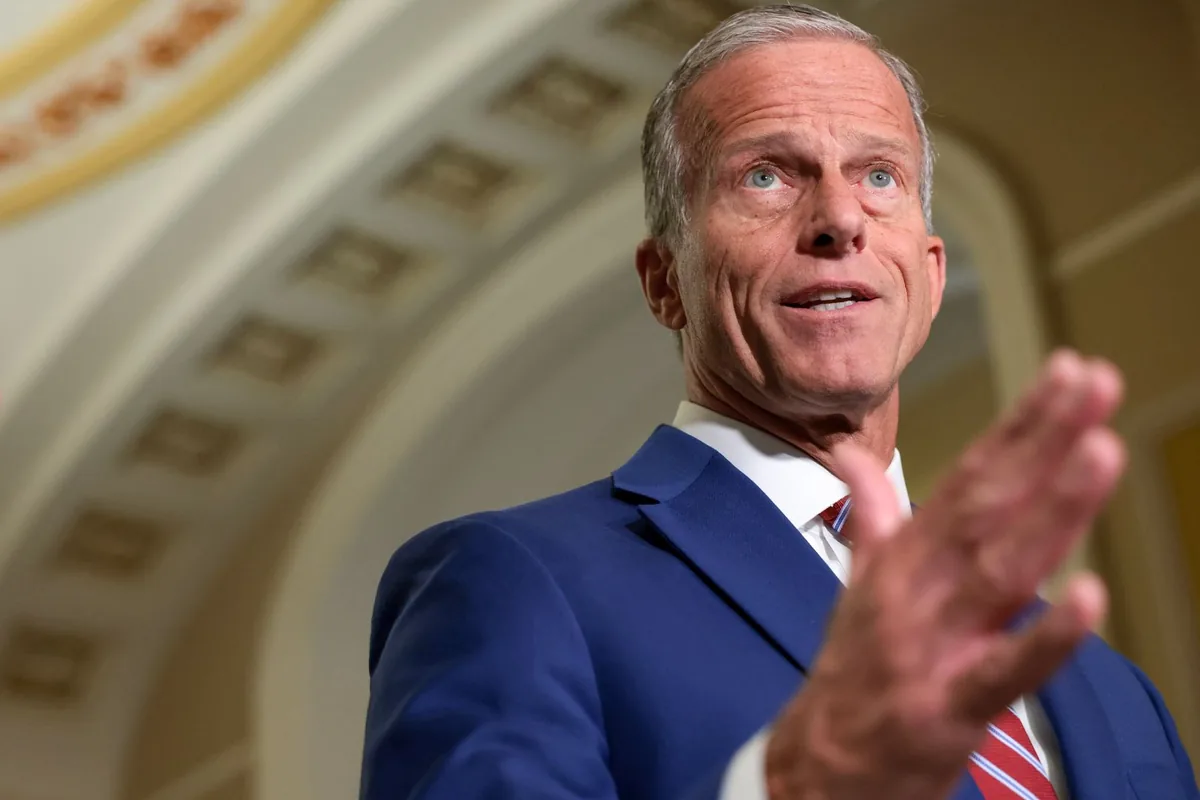
If Republican lawmakers shift attention toward the SAVE America Act, the calendar pressure on other legislation could increase. House Speaker Mike Johnson said the elections bill has been stuck in the Senate and may need to be placed into another budget bill, while TD Cowen policy analyst Jaret Seiberg argued there is no clear path for the SAVE Act to become law under current Senate rules.
Trump still has a constitutionally defined 10-day window to decide whether to sign approved legislation once it reaches his desk. If he vetoes the housing bill, CoinDesk noted that it passed by a margin large enough to override a veto, though that would require Republican allies to break with the president’s position.