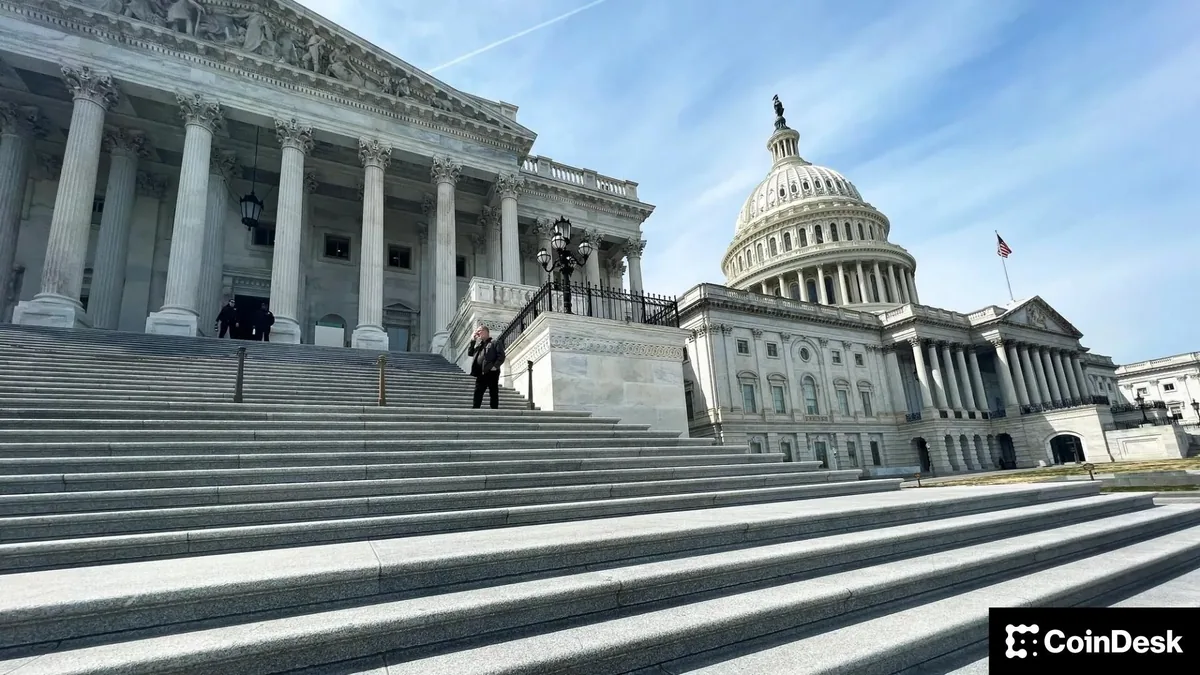
A package of crypto tax bills under review in the U.S. House remains unsettled after a Ways and Means Committee hearing exposed concerns from lawmakers over several draft proposals. The bills are intended to clarify how digital asset activity is treated under the tax code, but the hearing suggested the effort has not yet secured broad bipartisan comfort with the details.
The issue matters because crypto users, investors, miners, stakers and brokers face tax rules that can be difficult to apply, especially when transactions are frequent or rewards are earned through network participation. The proposals aim to reduce reporting burdens, create clearer treatment for digital asset gains and bring certain crypto transactions closer to comparable traditional finance tax rules.
One draft bill would exempt small crypto transactions with minimal gains from tax reporting, a change supporters say could make routine payments with digital assets less paperwork-heavy. Another would address the current treatment of mining and staking proceeds, which can be taxed when received and again when sold.
The most contested area was a provision that would let miners and stakers defer income from newly minted coins until they dispose of the assets. Mike Kaercher, deputy director of the Tax Law Center at NYU Law, warned during the hearing that the approach could create a new tax subsidy and might allow some taxpayers to avoid tax through certain business structures.
Committee Chairman Jason Smith presented the effort as a way to close gaps in the tax code and reduce burdens on digital asset owners and brokers, while ranking Democrat Richard Neal said there was “healthy skepticism on both sides.” The bills would still need revisions, committee markup and broader approval in the House, and any final legislation would also have to pass the Senate before becoming law.