
CoinDeskJul 01, 02:27 AM
CoinDesk Reports Trump Earned More Than $1 Billion From Crypto Ties
CoinDesk reported that Donald Trump received more than $1 billion through cryptocurrency-related ties as the industry moved toward a slump.
ReadA bipartisan bill would prevent U.S. federal agencies from using AI technology controlled by foreign adversaries. The proposal focuses on government security and procurement rather than cryptocurrency regulation.
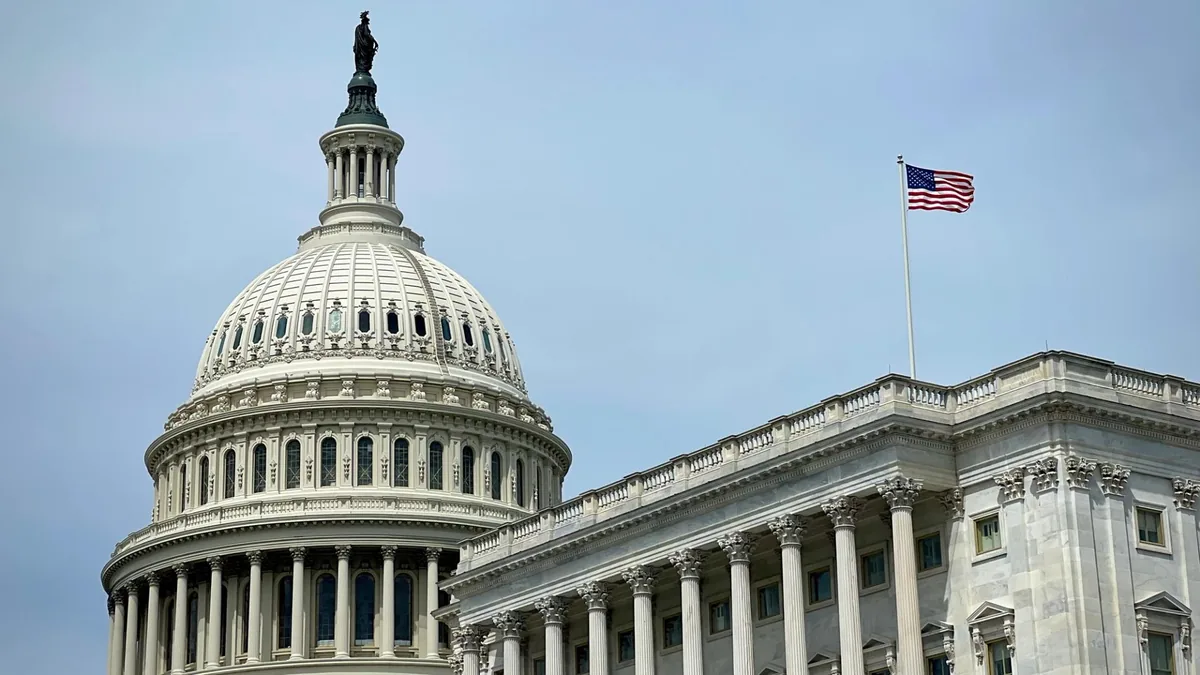
A bipartisan bill would prevent U.S. federal agencies from using AI technology controlled by foreign adversaries. The proposal focuses on government security and procurement rather than cryptocurrency regulation.
The proposal matters because federal agencies increasingly rely on AI tools that may process sensitive government or personal data. Restricting systems linked to adversarial governments would add a national-security filter to public-sector technology procurement.
U.S. Senators Rick Scott and Gary Peters are backing bipartisan legislation that would prohibit federal agencies from using artificial intelligence technology controlled by foreign adversaries, including China. The measure is intended to keep potentially risky AI systems out of government operations.
The proposal matters because federal agencies increasingly rely on AI tools that may process sensitive government or personal data. Restricting systems linked to adversarial governments would add a national-security filter to public-sector technology procurement.
Under the bill, the Federal Acquisition Security Council would identify AI products developed or controlled by covered foreign entities. Federal agencies would then be barred from acquiring or using technologies included on that list.
The legislation reflects broader scrutiny in Washington of foreign access to advanced technology and the security implications of imported AI systems. It would still need congressional approval before becoming law.
The measure does not directly regulate cryptocurrencies or blockchain networks. Its relevance to the wider technology sector lies in the expanding use of national-security rules to determine which foreign-developed digital products U.S. institutions may adopt.
Keep exploring
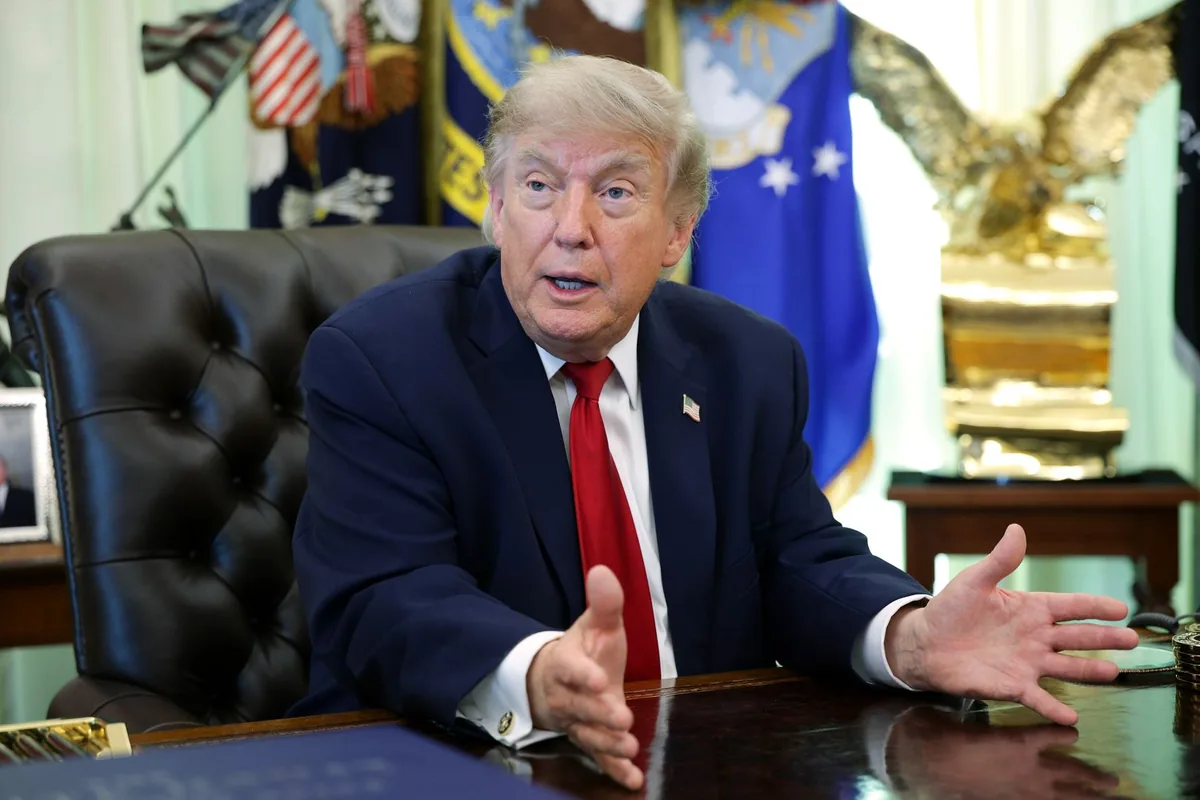
CoinDesk reported that Donald Trump received more than $1 billion through cryptocurrency-related ties as the industry moved toward a slump.
Read
Strategy has outlined a new capital plan that includes buybacks of MSTR and STRC, larger cash reserves and, if needed, potential Bitcoin sales. The move is meant to address rising concern over the company’s financing structure and its dependence on market conditions.
Read
Crypto exchange Binance and founder Changpeng Zhao have been sued for nearly $200 million in the United Kingdom, according to Reuters. The case was brought by British investors.
Read