U.S. Treasury Sanctions Crypto Exchanges Over Alleged Iran-Linked Laundering

The U.S. Treasury sanctioned two crypto exchanges it says laundered millions of dollars for Iran's Revolutionary Guard. The action named a Georgia- and UAE-based operator and an Iran-based platform.

U.S. Treasury Sanctions Crypto Exchanges Over Alleged Iran-Linked Laundering

What happened?

The U.S. Treasury sanctioned two crypto exchanges it says laundered millions of dollars for Iran's Revolutionary Guard. The action named a Georgia- and UAE-based operator and an Iran-based platform.

Why it matters

The Treasury's sanctions do not make broader claims about the crypto market as a whole, but they add to regulatory scrutiny facing exchanges and operators that handle international flows. The development is primarily a sanctions and enforcement story, rather than a market-direction signal.

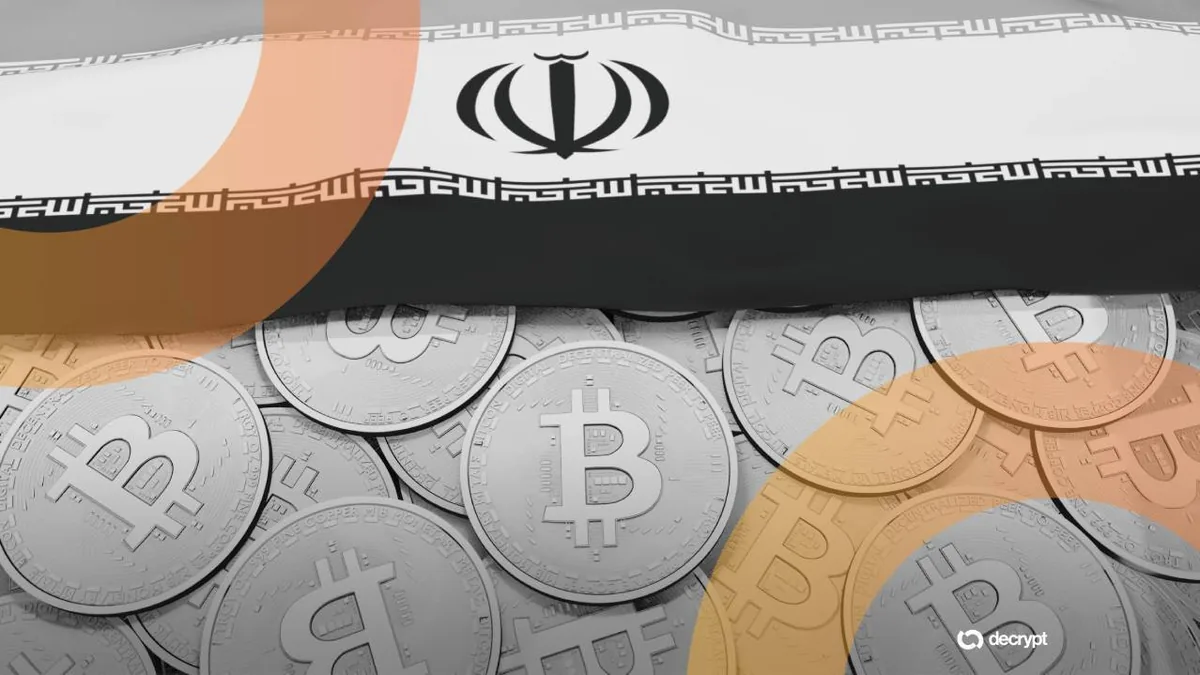
The U.S. Treasury has sanctioned two crypto exchanges it says helped launder millions of dollars for Iran's Revolutionary Guard, targeting a Georgia- and UAE-based operator as well as an Iran-based platform.

The move matters because it underscores Washington's continued focus on crypto platforms it alleges are being used to move funds for sanctioned actors. For exchanges, payment providers, and compliance teams, the action is another reminder that digital asset activity can fall squarely within national security and sanctions enforcement.

According to the Treasury's action, the sanctioned entities were linked to laundering activity involving Iran's Revolutionary Guard. The designation places the exchanges in the center of a broader enforcement push around illicit finance in crypto.

The case also highlights the cross-border nature of crypto compliance risk. A platform's location, customer base, and counterparties can all become relevant when authorities examine whether digital assets are being used to evade restrictions or move funds for sanctioned groups.

The Treasury's sanctions do not make broader claims about the crypto market as a whole, but they add to regulatory scrutiny facing exchanges and operators that handle international flows. The development is primarily a sanctions and enforcement story, rather than a market-direction signal.

Source: Decrypt

Keep exploring

Related stories

Polymarket Changes Crypto Market Rules After Manipulation Study

Polymarket Changes Crypto Market Rules After Manipulation Study

Polymarket is replacing instant settlement-price snapshots with time-weighted average prices for short-dated crypto markets. The change follows research and trader complaints that identified patterns consistent with settlement manipulation in five-minute bitcoin contracts.

Read
OKX Executive Questions Clarity Act Path as Bitcoin Optimism Faces Test

OKX Executive Questions Clarity Act Path as Bitcoin Optimism Faces Test

OKX executive Haider Rafique said he is skeptical that the Clarity Act will pass this year, citing political incentives in Congress. He also warned that much of the bill’s upside may already be reflected in bitcoin’s price.

Read
Bitcoin Reaches August High Above $65,000 After Soft US Jobs Data

Bitcoin Reaches August High Above $65,000 After Soft US Jobs Data

Bitcoin climbed above $65,000 to reach a month-to-date high as risk assets advanced following weaker US nonfarm payrolls data. The move came as traders reassessed expectations around Federal Reserve rate policy.

Read