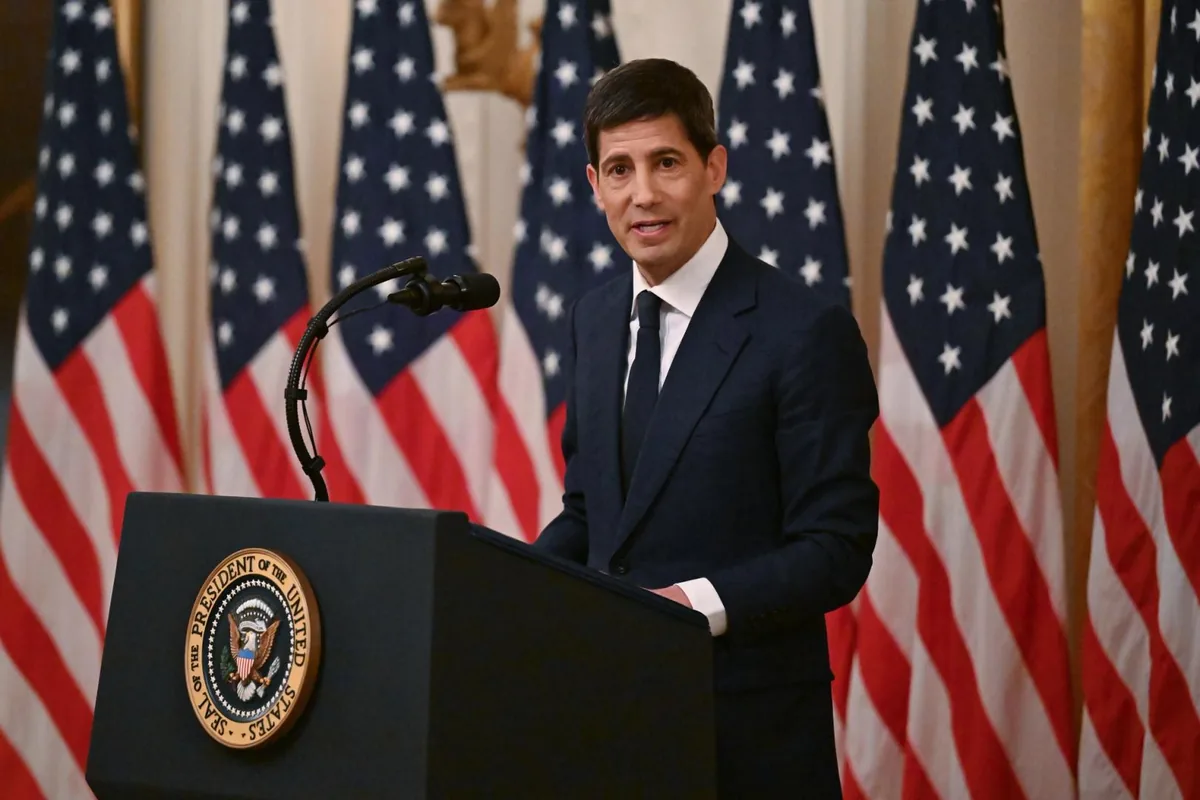
Kevin Warsh is leading his first Federal Reserve policy meeting as chair, with markets expecting the central bank to keep the benchmark federal funds rate range unchanged at 3.50%-3.75%. The meeting concludes Wednesday afternoon, and the rate decision itself is not expected to be the main surprise.
For markets, the bigger issue is communication. Bank of America expects the Fed to adopt a more hawkish tone, citing stronger economic data and persistent inflation pressure. That could include removing language that points toward future rate cuts and upgrading the Fed’s view of the labor market after stronger-than-expected payroll reports.
Warsh’s own approach is also under scrutiny. He has previously criticized the Fed’s reliance on forecasts, speeches and forward guidance, arguing that the central bank should communicate less and think more. Bank of America said there is a chance he may choose not to submit his own projections to the Fed’s Summary of Economic Projections, which would underline his skepticism toward the forecasting process.
The Fed’s so-called dot plot, part of that projections package, remains closely watched because it shows where policymakers expect rates to go. Bank of America expects the latest projections to show rates staying unchanged through 2026, followed by modest cuts in 2027 and 2028.
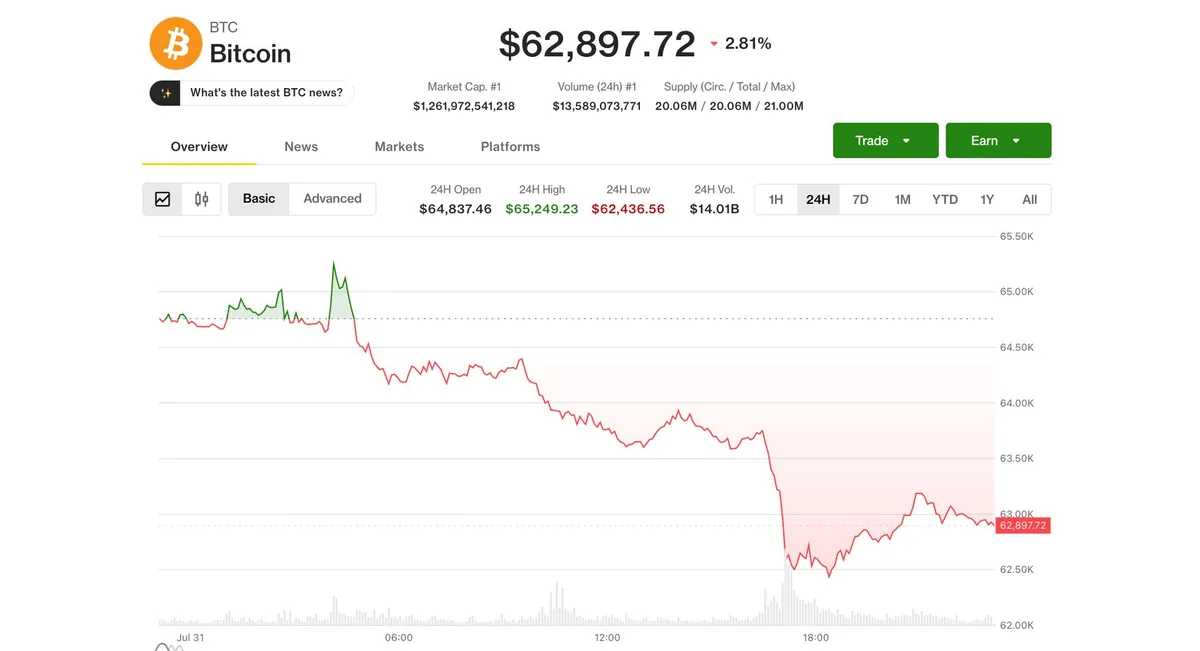
Warsh’s first press conference may draw the closest attention. Analysts expect him to sound patient, acknowledge inflation risks and avoid suggesting that rate cuts are near. A more hawkish-than-expected message could support the dollar and weigh on stocks and bonds, while crypto markets are also watching the macro backdrop as bitcoin remains lower since Warsh took office on May 22 amid the continuing U.S.-Iran conflict.