Bitwise Research Head Says Circle Is Underestimated as Stablecoin Market Expands

Bitwise Head of Research Ryan Rasmussen said investors are undervaluing Circle’s long-term opportunity as stablecoins move toward a much larger market. He argued Circle could grow beyond issuance into payments infrastructure, though adoption of that infrastructure remains a key test.

Bitwise Research Head Says Circle Is Underestimated as Stablecoin Market Expands

What happened?

Bitwise Head of Research Ryan Rasmussen said investors are undervaluing Circle’s long-term opportunity as stablecoins move toward a much larger market. He argued Circle could grow beyond issuance into payments infrastructure, though adoption of that infrastructure remains a key test.

Why it matters

Bitwise Head of Research Ryan Rasmussen said Circle is being underestimated by investors as the stablecoin market grows and U.S. regulation begins to take shape. Speaking on CoinDesk’s Public Keys, Rasmussen said he expects the stablecoin market to expand from roughly $300 billion today to between $3 trillion and $5 trillion.

Bitwise Head of Research Ryan Rasmussen said Circle is being underestimated by investors as the stablecoin market grows and U.S. regulation begins to take shape. Speaking on CoinDesk’s Public Keys, Rasmussen said he expects the stablecoin market to expand from roughly $300 billion today to between $3 trillion and $5 trillion.

The argument matters because Circle is not only a major stablecoin issuer, but is also trying to build payments infrastructure around stablecoin activity. Rasmussen said the market is still focused on Circle’s reserve-based business and is not fully pricing in the possibility that payments could become a significant second line of business.

Rasmussen said Circle’s existing market share gives it a head start as regulated stablecoins develop in the U.S. He described the company as well positioned even as banks, consumer companies and other incumbents prepare their own stablecoin products.

Competition is increasing, including new efforts such as OpenUSD, but Rasmussen argued that a rapidly expanding market could still allow Circle to grow while new entrants arrive. In his view, Circle’s ability to keep executing as regulation and adoption evolve will be central to whether that thesis plays out.

A major test will be Circle’s Arc blockchain, which Rasmussen described as a layer-1 network designed to support stablecoin payment activity. He said investors should watch whether Arc gains adoption and becomes integrated with traditional financial systems, as that could shape Circle’s economics over the next year.


Source: CoinDesk

Keep exploring

Related stories

Bitcoin BIP-110 Fork Stalls After Miners Stay With Original Chain

Bitcoin BIP-110 Fork Stalls After Miners Stay With Original Chain

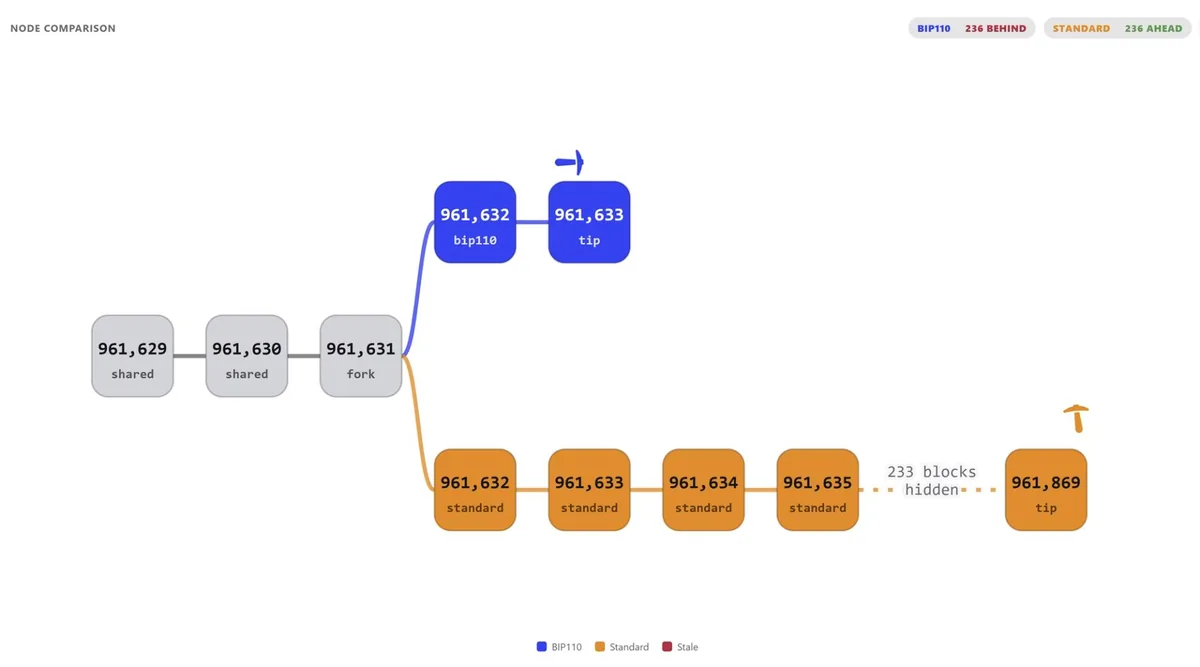
Bitcoin’s BIP-110 proposal failed to gain broad support, and a fork attempting to enforce its rules produced only two blocks before stalling. The episode showed how Bitcoin’s consensus process and miner incentives can reject disputed changes without a central authority.

Read
UK FCA Prepares Tokenized Gold Rules to Support London Bullion Market

UK FCA Prepares Tokenized Gold Rules to Support London Bullion Market

The U.K. Financial Conduct Authority is working on rules for tokenized gold as part of a wider digital asset strategy. The effort is aimed at exploring how blockchain-based claims on physical bullion could fit into wholesale markets while London faces growing competition as a global gold trading hub.

Read
Standard Chartered Says RWA Growth Could Lift Chainlink’s LINK to $200 by 2030

Standard Chartered Says RWA Growth Could Lift Chainlink’s LINK to $200 by 2030

Standard Chartered reportedly expects Chainlink’s LINK token to reach $200 by the end of 2030 if tokenized real-world assets expand to $4 trillion. The forecast is tied to potential demand for Chainlink’s oracle services as the RWA market grows.

Read