Bolivia Considers USDT Payment Framework as Dollar Shortage Pressures Reserves

Bolivia is weighing a framework that could recognize USDT for payments, savings and trade as foreign currency reserves remain under strain. The move would place the world’s largest stablecoin closer to everyday financial use in a country facing dollar scarcity.

Bolivia Considers USDT Payment Framework as Dollar Shortage Pressures Reserves

What happened?

Bolivia is weighing a framework that could recognize USDT for payments, savings and trade as foreign currency reserves remain under strain. The move would place the world’s largest stablecoin closer to everyday financial use in a country facing dollar scarcity.

Why it matters

For the crypto ecosystem, Bolivia’s consideration adds to the broader debate over how digital assets should fit into payment systems and financial regulation. The key question is not only whether USDT can be used, but how authorities would define its role across commerce, savings and trade.

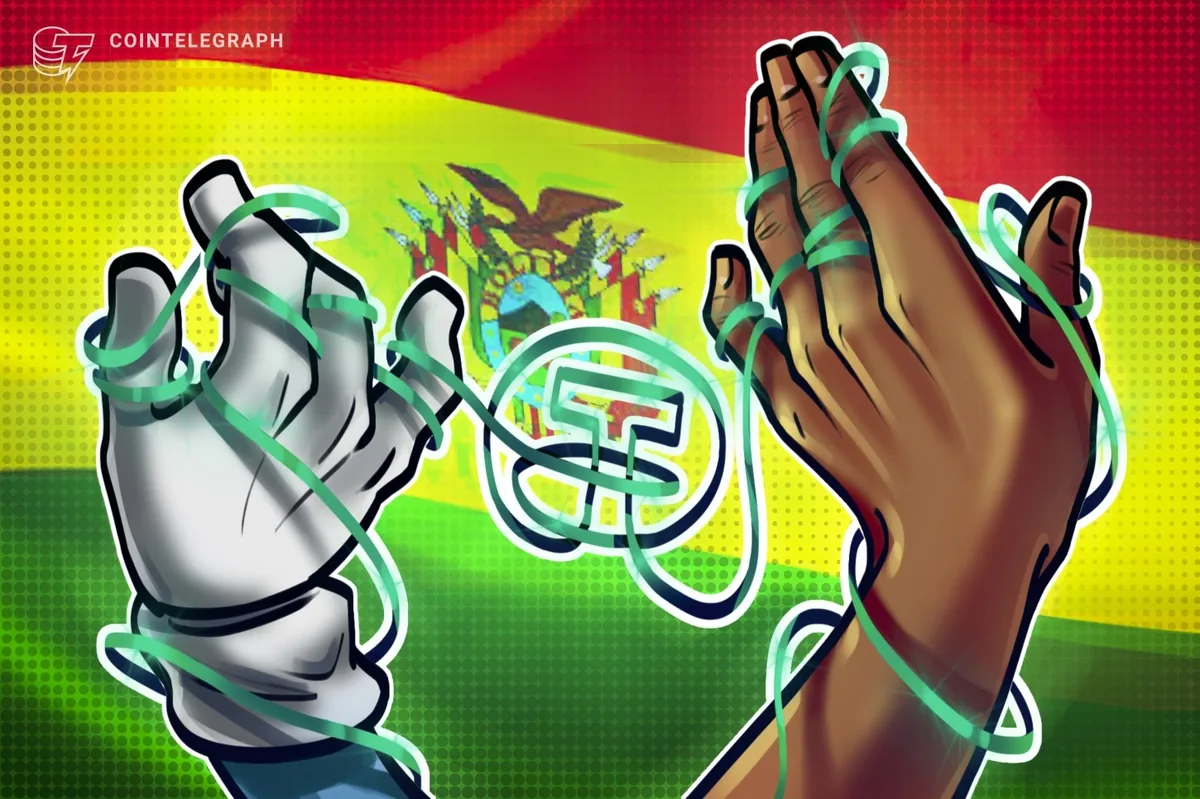
Bolivia is considering whether to recognize Tether’s USDT as a payment currency, according to source material from Cointelegraph. The proposal would create a framework for the stablecoin to be used in payments, savings and trade while the country deals with pressure on foreign currency reserves.

The development matters because stablecoins are increasingly being discussed as practical tools in economies where access to dollars is constrained. If Bolivia advances such a framework, USDT could become more directly relevant to businesses and individuals looking for dollar-linked settlement options.

USDT is described in the source as the world’s largest stablecoin, a category of crypto asset designed to track the value of a fiat currency, most commonly the US dollar. That dollar link is central to why stablecoins can attract attention during periods of foreign currency stress.

For the crypto ecosystem, Bolivia’s consideration adds to the broader debate over how digital assets should fit into payment systems and financial regulation. The key question is not only whether USDT can be used, but how authorities would define its role across commerce, savings and trade.

No final approval or implementation details were provided in the supplied material. For now, the story is that Bolivia is weighing recognition of USDT as part of its response to ongoing pressure on foreign currency reserves.

Source: Cointelegraph

Keep exploring

Related stories

Trump Crypto Ties Complicate CLARITY Act Ethics Talks

Trump Crypto Ties Complicate CLARITY Act Ethics Talks

U.S. lawmakers discussing the CLARITY Act are also weighing conflict-of-interest limits for public officials, with President Donald Trump’s crypto-linked wealth hanging over the debate. The issue adds a political and ethics layer to a bill meant to shape digital asset oversight.

Read
Hyundai Completes USDT Treasury Settlement Pilot Between US and Mexico

Hyundai Completes USDT Treasury Settlement Pilot Between US and Mexico

Hyundai completed a proof-of-concept using Tether’s USDT for a cross-border treasury transfer between its US and Mexican subsidiaries. The pilot points to growing enterprise interest in stablecoin-based settlement for corporate payments.

Read
Bolivia Weighs Adding USDT to National Payments System

Bolivia Weighs Adding USDT to National Payments System

Bolivia is evaluating whether Tether’s USDT stablecoin could be integrated into its national payments system alongside the boliviano and U.S. dollar. The review comes after crypto transaction volumes rose sharply following the central bank’s removal of restrictions in June 2024.

Read