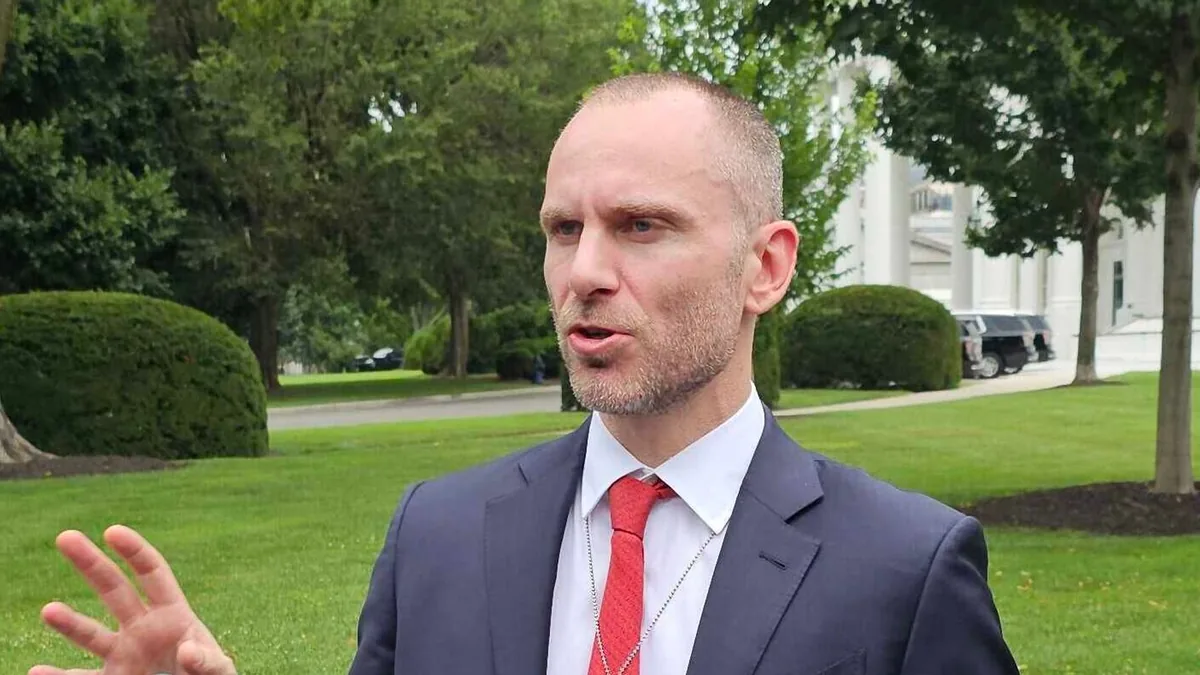
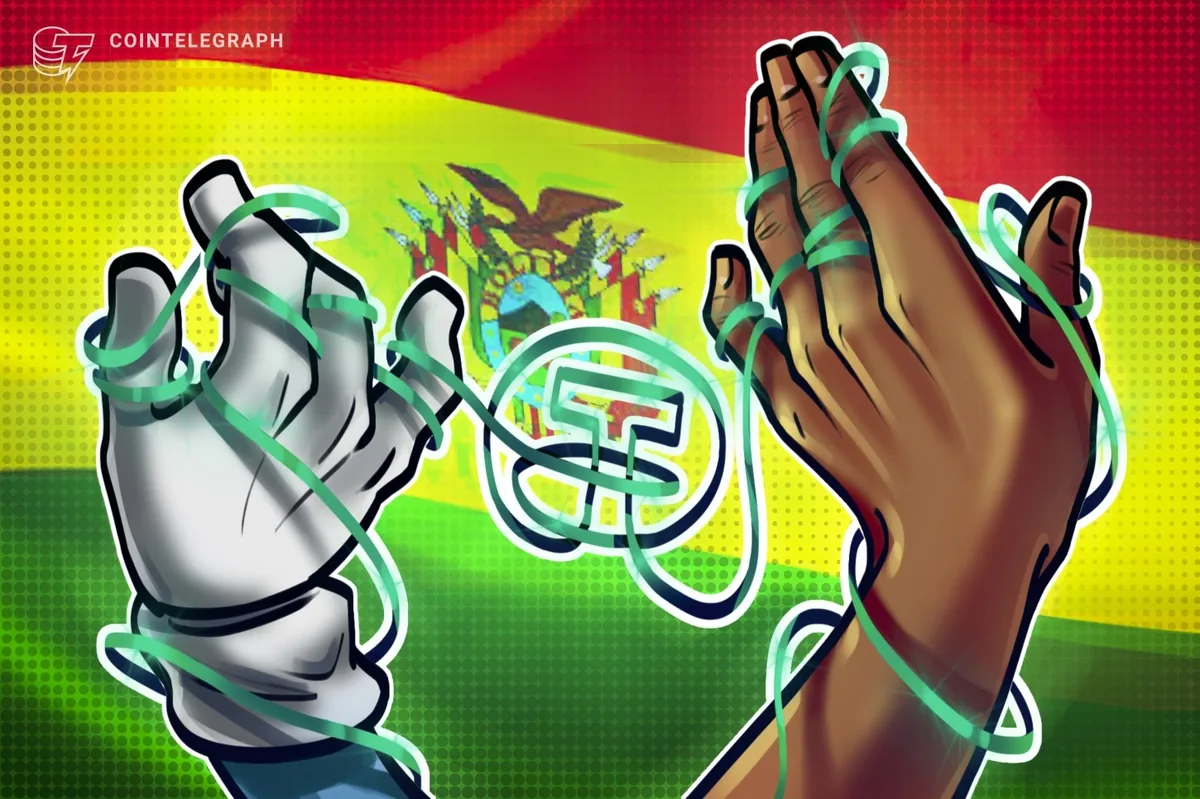
Bolivia is considering adding Tether’s USDT stablecoin to its national payments system, according to Economy Minister José Gabriel Espinoza. The government is reviewing whether USDT could circulate alongside the boliviano and the U.S. dollar, but it has not issued implementation rules or granted the stablecoin legal-tender status.
The proposal matters because it would mark another step in Bolivia’s rapid shift from restricting crypto transactions to exploring regulated digital asset use. Officials are working on a framework that would involve banks, digital wallets and payment providers, potentially giving USDT a clearer role in formal payments if the review advances.
Crypto activity has risen sharply since Bolivia’s central bank lifted restrictions on transactions in June 2024. Central bank data cited by CoinDesk shows crypto transaction volume increased from $46.5 million in the first half of 2024 to $294 million in the same period last year, while total transaction volume rose 630% after the restrictions were removed.
The backdrop includes strong demand for dollar alternatives as businesses and consumers deal with scarce U.S. dollars. Bolivia also ended its long-standing fixed dollar peg earlier this year and moved to a floating exchange rate, adding pressure to the country’s payments and currency environment.
Any formal rollout would face compliance scrutiny. Bolivia remains on the Financial Action Task Force’s grey list, meaning the country is under increased monitoring for weaknesses in its financial crime controls, and officials would need stronger anti-money laundering safeguards before integrating USDT into national payment channels.