Brazil’s $319B Crypto Market Faces October Licensing Deadline

A CertiK report says Brazil is moving to bring its large crypto market under formal supervision by October 30. The deadline is part of a broader regulatory push aimed at licensing virtual asset service providers.

Brazil’s $319B Crypto Market Faces October Licensing Deadline

What happened?

A CertiK report says Brazil is moving to bring its large crypto market under formal supervision by October 30. The deadline is part of a broader regulatory push aimed at licensing virtual asset service providers.

Why it matters

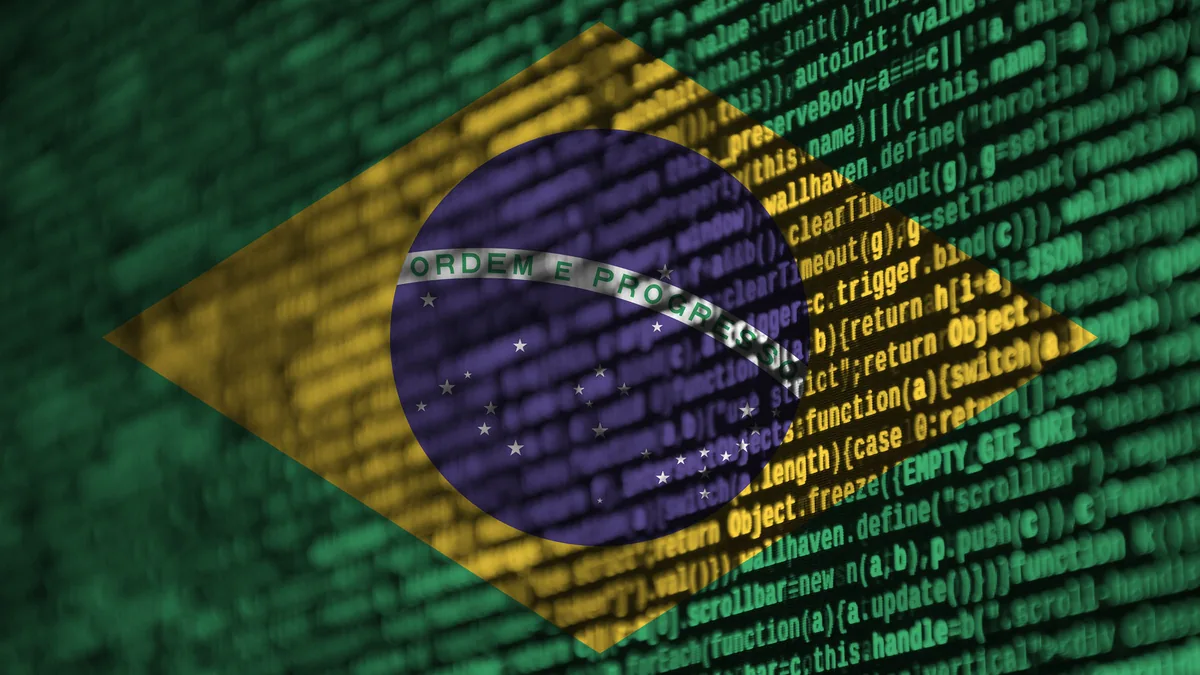
Brazil’s crypto sector is approaching a major regulatory deadline, with virtual asset service providers expected to come under formal supervision by October 30, according to a new CertiK report cited by Decrypt. The report frames the move as part of Brazil’s effort to regulate a crypto market estimated at $319 billion.

Brazil’s crypto sector is approaching a major regulatory deadline, with virtual asset service providers expected to come under formal supervision by October 30, according to a new CertiK report cited by Decrypt. The report frames the move as part of Brazil’s effort to regulate a crypto market estimated at $319 billion.

The development matters because Brazil is one of the largest crypto markets in Latin America, and licensing requirements could reshape how exchanges and other service providers operate in the country. For companies, the deadline creates a clearer compliance timetable; for users, it signals that authorities are moving toward more structured oversight of digital asset activity.

CertiK’s report maps how Brazil is attempting to bring crypto firms into a regulated framework rather than leaving the sector outside traditional supervisory channels. The October 30 date stands out as the key milestone for firms that need to align with the country’s licensing expectations.

The shift also reflects a wider global pattern in which governments are moving from broad crypto warnings to formal rulebooks for platforms, custodians, and other service providers. In Brazil’s case, the size of the market makes the licensing deadline especially significant for regional crypto infrastructure.

The report does not suggest that regulation will eliminate market risk, and it does not provide a basis for investment decisions. Instead, it highlights a practical turning point: Brazil’s crypto industry is being pushed closer to the standards and reporting expectations of formally supervised financial services.
Source: Decrypt

Keep exploring

Related stories

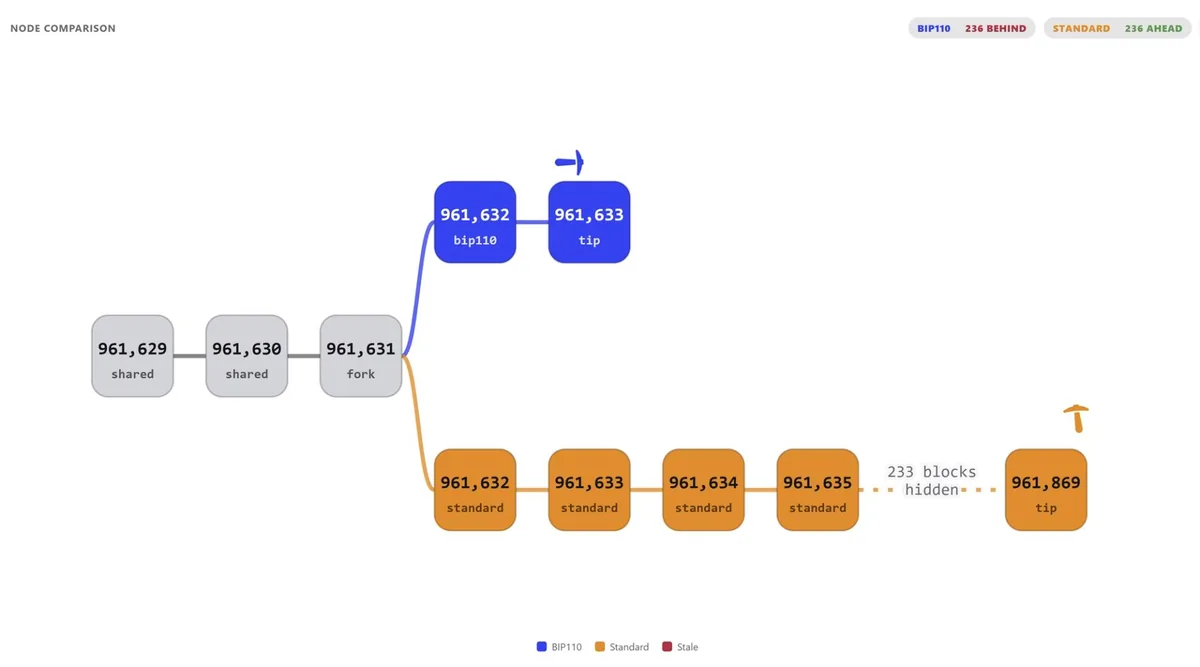
Bitcoin BIP-110 Fork Stalls After Miners Stay With Original Chain

Bitcoin BIP-110 Fork Stalls After Miners Stay With Original Chain

Bitcoin’s BIP-110 proposal failed to gain broad support, and a fork attempting to enforce its rules produced only two blocks before stalling. The episode showed how Bitcoin’s consensus process and miner incentives can reject disputed changes without a central authority.

Read
UK FCA Prepares Tokenized Gold Rules to Support London Bullion Market

UK FCA Prepares Tokenized Gold Rules to Support London Bullion Market

The U.K. Financial Conduct Authority is working on rules for tokenized gold as part of a wider digital asset strategy. The effort is aimed at exploring how blockchain-based claims on physical bullion could fit into wholesale markets while London faces growing competition as a global gold trading hub.

Read
Standard Chartered Says RWA Growth Could Lift Chainlink’s LINK to $200 by 2030

Standard Chartered Says RWA Growth Could Lift Chainlink’s LINK to $200 by 2030

Standard Chartered reportedly expects Chainlink’s LINK token to reach $200 by the end of 2030 if tokenized real-world assets expand to $4 trillion. The forecast is tied to potential demand for Chainlink’s oracle services as the RWA market grows.

Read