China Reportedly Weighs AI Export Controls Similar to US Measures

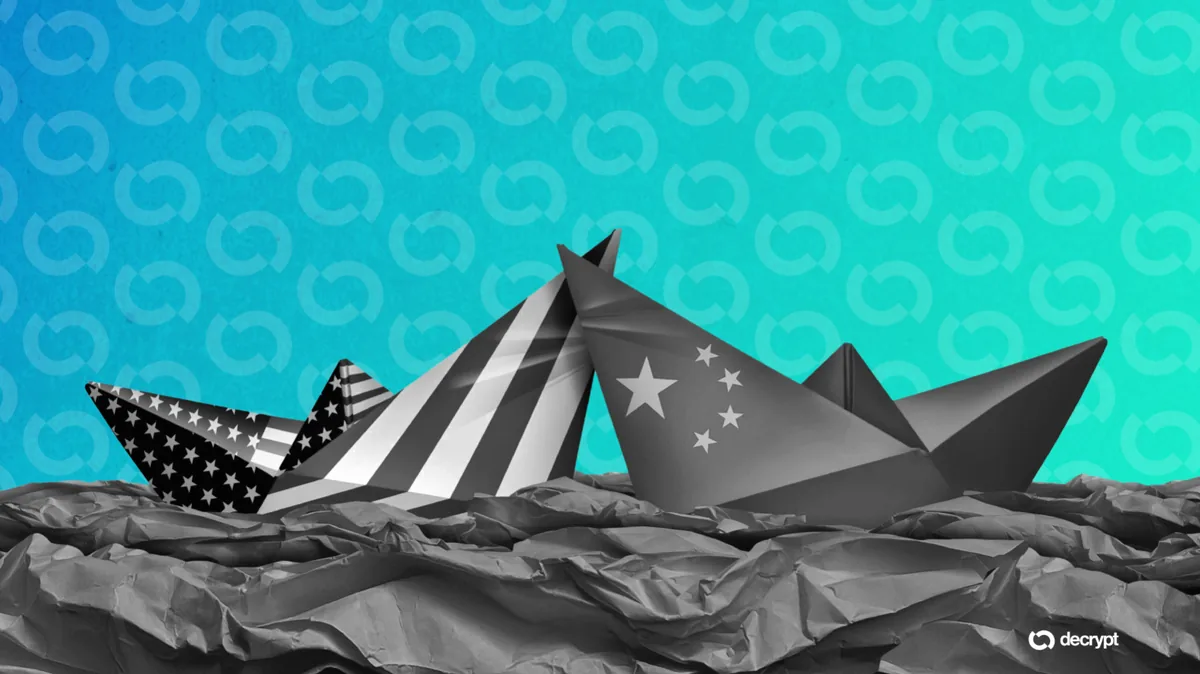
China is reportedly developing powers that could let it restrict access to its artificial intelligence technology abroad. The move would echo export-control tools used by the United States, including action involving Anthropic in June.

China Reportedly Weighs AI Export Controls Similar to US Measures

What happened?

China is reportedly developing powers that could let it restrict access to its artificial intelligence technology abroad. The move would echo export-control tools used by the United States, including action involving Anthropic in June.

Why it matters

The development matters because AI has become a strategic layer for technology companies, governments, and digital markets. If major economies gain more direct control over who can use their advanced AI systems, companies that depend on cross-border access to models, chips, or AI services could face new compliance and operational risks.

China is reportedly building a mechanism that could allow it to limit the export or overseas access of its artificial intelligence technology, according to Decrypt. The reported effort would mirror powers the United States has used to restrict AI-related exports, including measures deployed against Anthropic in June.

The development matters because AI has become a strategic layer for technology companies, governments, and digital markets. If major economies gain more direct control over who can use their advanced AI systems, companies that depend on cross-border access to models, chips, or AI services could face new compliance and operational risks.

For crypto and broader Web3 firms, the issue is relevant because AI tools are increasingly used across security, trading infrastructure, analytics, developer workflows, and content moderation. Any shift toward tighter national controls may affect which AI services are available in different jurisdictions, though the source does not identify specific crypto companies or platforms affected by China’s reported plans.

The report also points to a broader policy pattern: the US has already shown a willingness to use export controls in the AI sector, and China may now be moving toward a similar capability. That does not mean both systems will operate in the same way, but it suggests AI access is becoming part of a larger geopolitical and commercial contest.

For now, the reported Chinese effort appears to be about building the power to act, rather than a confirmed public cutoff of a specific company or product. Readers should watch for formal rules, enforcement actions, or company disclosures before drawing conclusions about market impact.
Source: Decrypt

Keep exploring

Related stories

Kraken Wins $22M Arbitration Against Former Auditor Mazars

Kraken Wins $22M Arbitration Against Former Auditor Mazars

Kraken’s parent company says it won a $22 million arbitration award against former auditor Mazars over the firm’s withdrawal from a 2022 audit. The company said the exit caused millions in damages and linked the dispute to Operation Chokepoint 2.0.

Read
BlackRock-backed Securitize drops 40% after SPAC debut

BlackRock-backed Securitize drops 40% after SPAC debut

Securitize fell 40% after its SPAC market debut, a sharp reversal for a BlackRock-backed company tied to the tokenization sector. The move shows that public-market investors can still punish crypto-linked listings even as tokenization remains a major industry theme.

Read
Kraken Seeks European Banking License With Lithuania in Focus

Kraken Seeks European Banking License With Lithuania in Focus

Kraken is pursuing a full banking license in Europe, with Lithuania identified as the target jurisdiction, according to a person familiar with the plans cited by CoinDesk. The effort fits into a broader push by Kraken parent Payward to expand its regulated financial services footprint globally.

Read