Digital Twin Ownership May Define the Future of the Metaverse

Research cited by Cointelegraph suggests the metaverse may depend on secure, biometrically verified digital twins. The central question is who controls those digital identities and the data attached to them.

Digital Twin Ownership May Define the Future of the Metaverse

What happened?

Research cited by Cointelegraph suggests the metaverse may depend on secure, biometrically verified digital twins. The central question is who controls those digital identities and the data attached to them.

Why it matters

The issue also connects to the crypto ecosystem, where digital ownership, identity and authentication are already central themes. A verified digital twin could support new forms of participation online, but it also raises questions about who stores the information, who can use it and how users retain control.

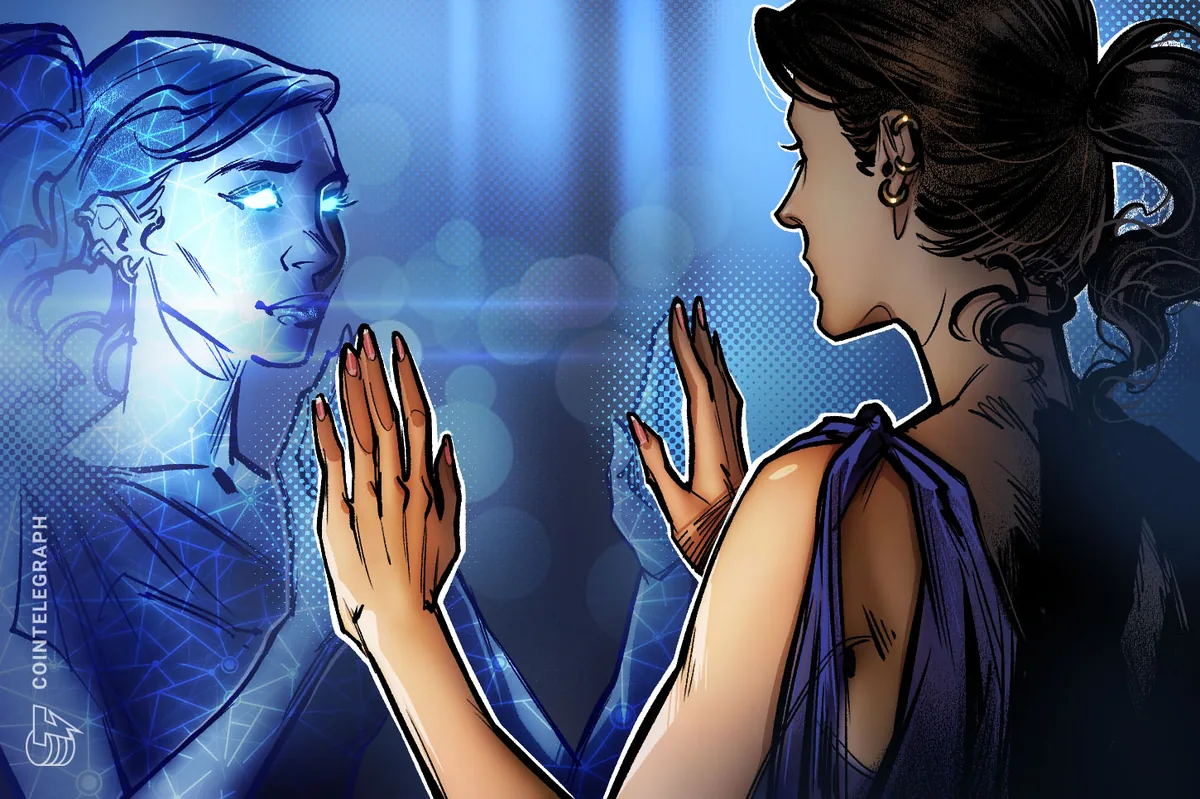
Research highlighted by Cointelegraph argues that the metaverse will need secure, biometrically verified digital twins in order to function effectively. The idea is that a person’s virtual identity would not simply be an avatar, but a trusted digital version linked to verification and personal data.

That development matters because ownership and control of a digital twin could shape how users, platforms and companies interact in virtual environments. If digital identity becomes a core layer of the metaverse, the rules around consent, privacy and access may become as important as the technology itself.

The issue also connects to the crypto ecosystem, where digital ownership, identity and authentication are already central themes. A verified digital twin could support new forms of participation online, but it also raises questions about who stores the information, who can use it and how users retain control.

For companies building metaverse products, the challenge is not only creating immersive spaces but establishing trust. A system tied to biometric verification would need strong safeguards, because any misuse of identity data could undermine confidence in the broader metaverse concept.

The source frames digital twin ownership as a make-or-break issue for the metaverse. Without clear answers on verification, security and user control, virtual worlds may struggle to gain the trust needed for mainstream adoption.

Source: Cointelegraph Metaverse

Keep exploring

Related stories

Immutable Winds Down NFT Marketplace to Support Ecosystem Platforms

Immutable Winds Down NFT Marketplace to Support Ecosystem Platforms

Immutable has shut down its NFT marketplace, saying the move is meant to let marketplaces within its own ecosystem grow. The development reflects a shift in focus from operating a central marketplace to supporting third-party venues tied to Web3 gaming and NFTs.

Read
Former BAYC Creative Director Jeff Nicholas Joins Meta’s Reality Labs

Former BAYC Creative Director Jeff Nicholas Joins Meta’s Reality Labs

Jeff Nicholas, formerly creative director for Bored Ape Yacht Club, has joined Meta’s Reality Labs. He will serve as an executive mixed reality producer focused on entertainment experiences.

Read
Lamina1 and Weta Workshop Team Up on Blockchain Worldbuilding Project

Lamina1 and Weta Workshop Team Up on Blockchain Worldbuilding Project

Neal Stephenson’s Lamina1 protocol is working with Weta Workshop on Artefact, a blockchain-based worldbuilding project. The project is designed to explore participatory IP development, fan input and open metaverse infrastructure.

Read