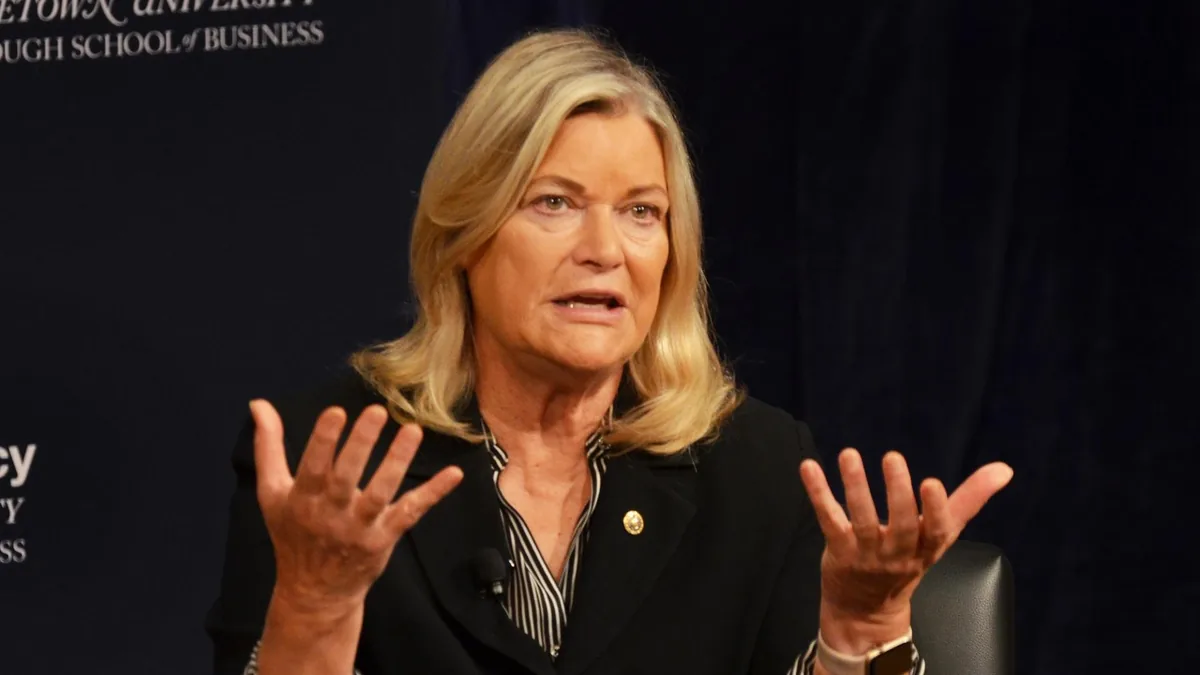
Gary Gensler, the former chair of both the SEC and the CFTC, has backed states in a fight over how prediction markets should be regulated. According to the source material, Gensler said Congress "categorically" did not intend for sports betting to fall under exclusive federal oversight.
The position matters because prediction markets sit at the intersection of financial regulation, gambling policy, and online trading platforms. For readers tracking crypto-adjacent markets, the debate highlights a broader question: whether certain event-based products should be treated mainly as federally regulated markets or remain subject to state-level gambling and betting rules.
Gensler's view adds weight to the argument that states should retain authority in areas tied to sports betting. His background is notable because he previously led both major U.S. market regulators most often associated with securities and derivatives oversight.
The dispute comes as prediction market regulation remains a live issue for companies offering event-based contracts and for regulators deciding where jurisdiction begins and ends. Based on the source material, Gensler's intervention focuses specifically on congressional intent and the limits of exclusive federal control over sports betting.
The comments do not settle the regulatory question, but they add a prominent former regulator's voice to the state-backed side of the debate. For platforms and market participants, the outcome could shape how prediction market products are reviewed, restricted, or permitted across the U.S.