Linux Foundation and Tech Giants Launch Akrites to Protect Open Source From AI-Powered Attacks

The Linux Foundation and a 19-member coalition have launched Akrites, an effort aimed at defending open-source software against AI-powered security threats. The group includes major AI labs and Wall Street banks, according to the source material.

Linux Foundation and Tech Giants Launch Akrites to Protect Open Source From AI-Powered Attacks

What happened?

The Linux Foundation and a 19-member coalition have launched Akrites, an effort aimed at defending open-source software against AI-powered security threats. The group includes major AI labs and Wall Street banks, according to the source material.

Why it matters

Akrites is being positioned as a kind of security team for the open-source ecosystem. The initiative reflects growing concern that AI can be used not only to build and audit software, but also to scale attacks against widely used public codebases.

The Linux Foundation and a coalition of 19 organizations have launched Akrites, a new initiative focused on defending open-source software against AI-powered attacks. The group includes major AI labs and Wall Street banks, according to Decrypt.

The development matters because open-source software underpins large parts of modern technology infrastructure, including systems used by companies, financial institutions, AI developers, and crypto projects. A coordinated security effort could help address a gap often faced by open-source maintainers, who may not have dedicated resources to respond to increasingly sophisticated threats.

Akrites is being positioned as a kind of security team for the open-source ecosystem. The initiative reflects growing concern that AI can be used not only to build and audit software, but also to scale attacks against widely used public codebases.

For crypto readers, the relevance is indirect but important: blockchain networks, wallets, exchanges, analytics tools, and developer frameworks often rely on open-source components. Stronger defenses around shared software infrastructure can reduce systemic risk across technology markets that depend on public code.

The launch also signals that major technology and financial organizations see open-source security as a strategic concern, not just a developer maintenance issue. As AI capabilities spread, the pressure to protect foundational software is likely to remain a priority for companies that depend on it.

Source: Decrypt

Keep exploring

Related stories

Bitcoin BIP-110 Fork Stalls After Miners Stay With Original Chain

Bitcoin BIP-110 Fork Stalls After Miners Stay With Original Chain

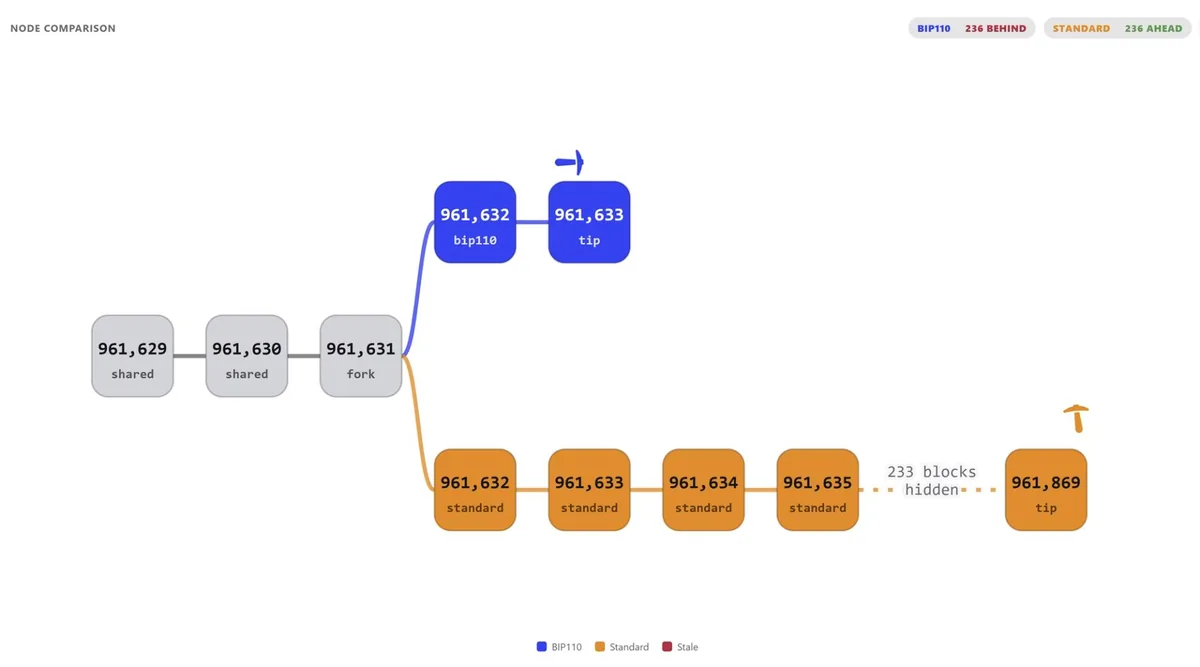
Bitcoin’s BIP-110 proposal failed to gain broad support, and a fork attempting to enforce its rules produced only two blocks before stalling. The episode showed how Bitcoin’s consensus process and miner incentives can reject disputed changes without a central authority.

Read
UK FCA Prepares Tokenized Gold Rules to Support London Bullion Market

UK FCA Prepares Tokenized Gold Rules to Support London Bullion Market

The U.K. Financial Conduct Authority is working on rules for tokenized gold as part of a wider digital asset strategy. The effort is aimed at exploring how blockchain-based claims on physical bullion could fit into wholesale markets while London faces growing competition as a global gold trading hub.

Read
Standard Chartered Says RWA Growth Could Lift Chainlink’s LINK to $200 by 2030

Standard Chartered Says RWA Growth Could Lift Chainlink’s LINK to $200 by 2030

Standard Chartered reportedly expects Chainlink’s LINK token to reach $200 by the end of 2030 if tokenized real-world assets expand to $4 trillion. The forecast is tied to potential demand for Chainlink’s oracle services as the RWA market grows.

Read