Russia Detains More Than 20 in Crackdown on Unlicensed Crypto Exchanges

Russia’s Federal Security Service said it detained more than 20 people accused of operating unregistered crypto exchange offices tied to a scam network. The agency claimed stolen funds were moved to Ukraine, but did not disclose the exchanges, assets, amounts involved or evidence supporting Ukrainian coordination.

Russia Detains More Than 20 in Crackdown on Unlicensed Crypto Exchanges

What happened?

Russia’s Federal Security Service said it detained more than 20 people accused of operating unregistered crypto exchange offices tied to a scam network. The agency claimed stolen funds were moved to Ukraine, but did not disclose the exchanges, assets, amounts involved or evidence supporting Ukrainian coordination.

Why it matters

The case matters because it adds to Russia’s scrutiny of crypto services it says are connected to Ukraine or illicit finance. For crypto businesses and users, the action highlights the regulatory and enforcement risk around unlicensed exchange activity, especially where authorities allege fraud, cross-border transfers or wartime financing links.

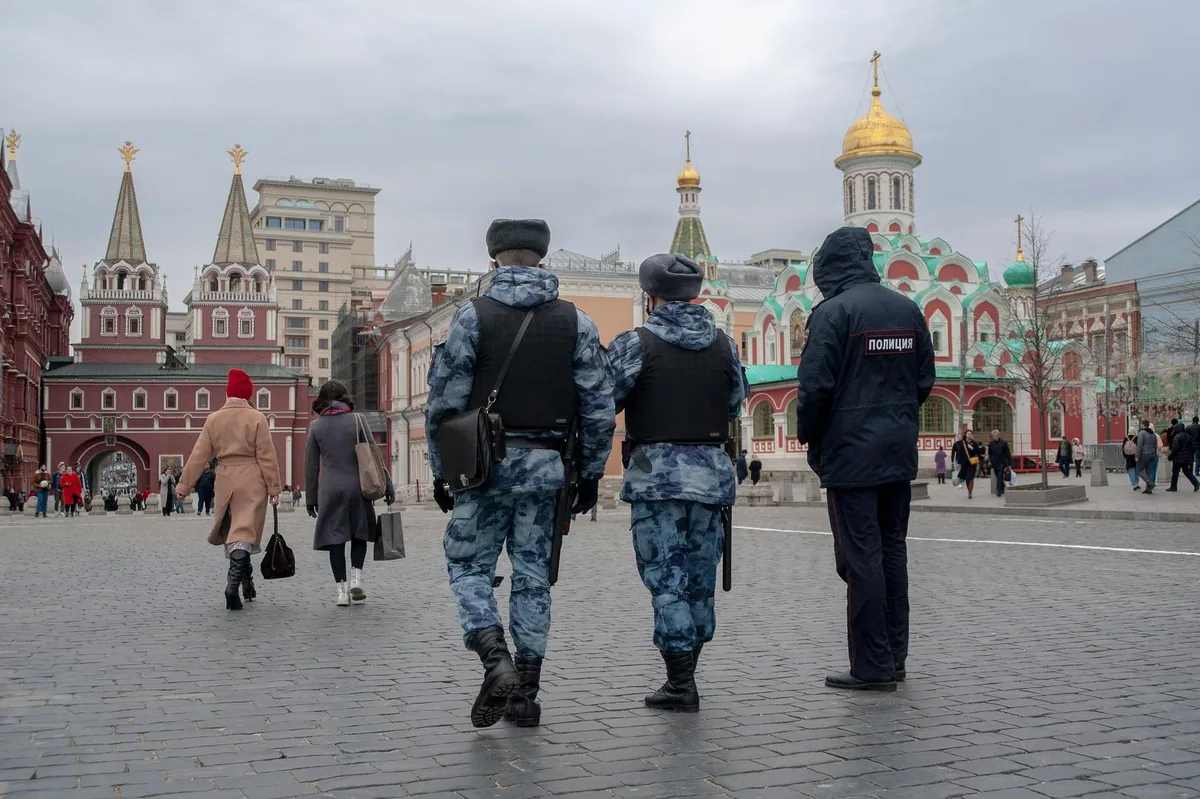
Russia’s Federal Security Service said it detained more than 20 people in Moscow City over alleged work for unregistered crypto exchange offices used to move money stolen from Russian citizens to Ukraine, according to CoinDesk. The agency said Russian authorities also shut down nine channels allegedly used to transfer funds abroad through cryptocurrency.

The case matters because it adds to Russia’s scrutiny of crypto services it says are connected to Ukraine or illicit finance. For crypto businesses and users, the action highlights the regulatory and enforcement risk around unlicensed exchange activity, especially where authorities allege fraud, cross-border transfers or wartime financing links.

According to the FSB, the alleged scheme involved Ukrainian call centers targeting Russians remotely, including pensioners. Victims were allegedly kept on the phone and instructed how to proceed before being directed to crypto exchange offices to buy digital assets and send them to accounts controlled by the suspects.

The FSB said young people from Russian regions were remotely recruited to work at the crypto exchange offices despite limited financial literacy. The agency did not identify the exchanges involved, name the cryptocurrencies allegedly used or state how much money was stolen.

CoinDesk noted that the FSB also did not release evidence supporting its claim that the operation was coordinated by Ukrainian call centers. The report follows Russia’s January ban on Ukrainian-founded crypto exchange WhiteBit, which Moscow described as part of broader efforts against firms it believes are funding Ukraine’s war effort.

Source: https://www.coindesk.com/policy/2026/08/07/russia-cracks-down-on-unlicensed-crypto-exchanges-it-claims-are-linked-to-ukraine

Source: CoinDesk

Keep exploring

Related stories

Wintermute Wins U.S. Broker-Dealer Status as Crypto and Wall Street Converge

Wintermute Wins U.S. Broker-Dealer Status as Crypto and Wall Street Converge

Wintermute’s U.S. arm has registered with the SEC and joined FINRA, giving the crypto market maker broker-dealer status for institutional operations. The approval lets the firm trade U.S. stocks and options, support ETF liquidity and pursue a larger role in crypto-linked traditional markets.

Read
CLARITY Act Delay Could Give Asian Crypto Hubs an Opening, First Digital CEO Says

CLARITY Act Delay Could Give Asian Crypto Hubs an Opening, First Digital CEO Says

Industry figures warned that prolonged uncertainty around the CLARITY Act could slow institutional crypto adoption in the United States. They said the delay may also revive regulation by enforcement and push more innovation offshore.

Read
Stripe-Owned Bridge Enters EU MiCA Register After Luxembourg Approval

Stripe-Owned Bridge Enters EU MiCA Register After Luxembourg Approval

Stripe-owned Bridge has joined the European Union’s MiCA register after receiving approval in Luxembourg. The move places Bridge among regulated providers operating under the bloc’s crypto framework.

Read