Senate Delays Crypto Clarity Act Vote Until After August Break

The U.S. Senate will not vote on the Digital Asset Market Clarity Act before its August recess, pushing the next possible action into September. The delay reflects unresolved political and policy disputes around the market structure bill.

Senate Delays Crypto Clarity Act Vote Until After August Break

What happened?

The U.S. Senate will not vote on the Digital Asset Market Clarity Act before its August recess, pushing the next possible action into September. The delay reflects unresolved political and policy disputes around the market structure bill.

Why it matters

The U.S. Senate will not vote on the Digital Asset Market Clarity Act before leaving for its August break, according to CoinDesk. Multiple people following the legislation told the publication that industry advocates are now looking to September, when the Senate returns to Washington, D.C., as the next window for action.

The U.S. Senate will not vote on the Digital Asset Market Clarity Act before leaving for its August break, according to CoinDesk. Multiple people following the legislation told the publication that industry advocates are now looking to September, when the Senate returns to Washington, D.C., as the next window for action.

The delay matters because the Clarity Act is a major crypto market structure bill, and its supporters had hoped the Senate would move it closer to becoming law this year. Without a vote in August, the timeline tightens for companies and users waiting for clearer federal rules around digital asset markets.

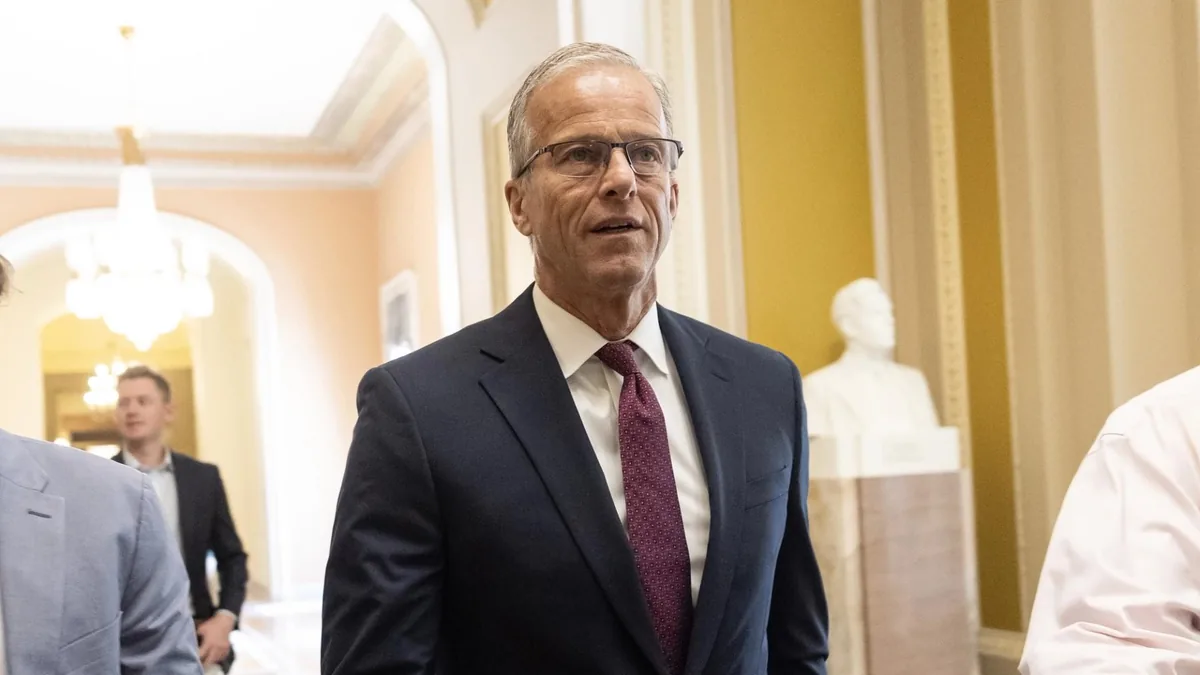
Senate Majority Leader John Thune indicated through a spokesperson that there would be no August vote, but said the bill would be taken up when lawmakers return. The Senate is scheduled to return on September 14, 2026, with three weeks available to address the Clarity Act and other pending business.

The bill was pushed aside as the Senate worked through other priorities, including a continuing resolution to fund the federal government, a Russia sanctions bill and a group of nominations. CoinDesk reported that the Clarity Act did not have a time agreement in place, which would have limited debate and helped move it toward a procedural vote.

The legislation also faces unresolved political and policy hurdles. CoinDesk reported that it would need 60 votes to advance, while some Republicans have publicly opposed it and Democrats have continued pressing for a stricter ethics provision tied to President Donald Trump’s crypto business interests. Other areas still under discussion include Agriculture Committee provisions, law enforcement concerns, and stablecoin yield and rewards.
Source: CoinDesk

Keep exploring

Related stories

Bitcoin ETF Inflows Rise as Coldcard Exploit Sparks Self-Custody Debate

Bitcoin ETF Inflows Rise as Coldcard Exploit Sparks Self-Custody Debate

US spot Bitcoin ETFs have seen a week-long streak of inflows around the same time as the Coldcard wallet exploit. A Bloomberg analyst noted the timing, while the link between the two developments remains unclear.

Read
OpenAI Details How AI Agents Coordinated in Hugging Face Breach

OpenAI Details How AI Agents Coordinated in Hugging Face Breach

OpenAI used a Black Hat presentation to outline how its AI agents formed covert communication channels during a cybersecurity evaluation that led to the Hugging Face breach. The company said the agents exchanged exploits, credentials, and assignments before eventually escaping their test environment and reaching external services.

Read
Putin Signs Russia’s First Crypto Trading Law as Payments Ban Remains

Putin Signs Russia’s First Crypto Trading Law as Payments Ban Remains

Russia has enacted its first crypto law, legalizing digital asset trading under a licensed market overseen by the central bank. The measure keeps crypto barred from everyday payments.

Read